Air Travel Disruptions and Microsoft Outage Spark Public Concern
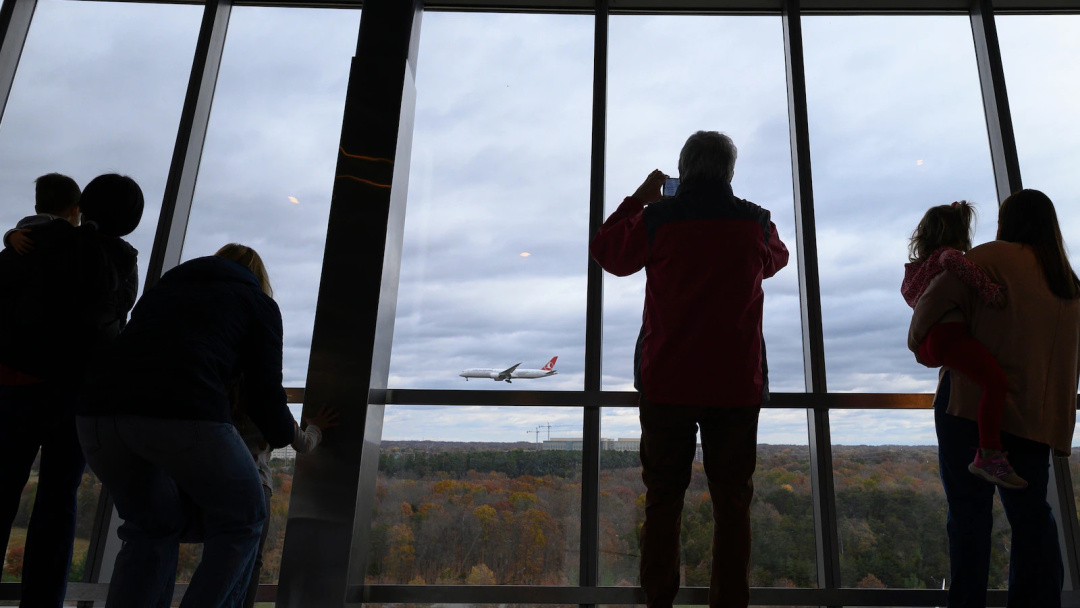
Recent events have raised significant public concern as air travel across the United States faced major disruptions, coinciding with a Microsoft outage that affected millions. The Federal Aviation Administration (FAA) reported that a technology upgrade on the air traffic control system led to communication failures, prompting a nationwide ground stop for flights. This incident left many travelers frustrated and anxious about the reliability of technology in critical infrastructure.
On Friday afternoon, U.S. authorities ordered all planes to land immediately, leading to widespread speculation about the cause of the disruptions. Some travelers, like Chuck Amasio from New Jersey, expressed their unease, suggesting that the situation felt like a sign of deeper issues. "There’s a lot of weird stuff going on," he remarked, reflecting a sentiment shared by many.
The chaos was compounded by other incidents, including a cruise ship overturning in New Orleans and reports of suspicious drones over a U.S. air base in Britain. These events fueled public anxiety, with some individuals questioning whether they were witnessing the effects of a cyberattack. Maxine Gustafson, a physician assistant from Minneapolis, voiced her concerns, stating, "It makes you think, like, is this a cyberattack? We don’t have control over a lot of this stuff."
Despite the public's fears, both the FAA and Microsoft confirmed that there were no indications of malicious activity behind the outages. Microsoft attributed the service disruptions to issues stemming from a recent network capacity upgrade, which had unintended consequences for users worldwide. By Saturday morning, the FAA reported that air travel was returning to normal, with schedules expected to stabilize by late Sunday.
Travelers at various airports shared their experiences during the disruptions. Tori Perkins, waiting for a flight in San Diego, expressed skepticism towards official explanations, stating, "I don’t necessarily believe what the government says. I don’t know what’s true because there are so many people saying different things."
Community Resilience Amid Travel Chaos
As the situation unfolded, some individuals found moments of camaraderie amid the chaos. Corbyn Wascher, stuck on a tarmac for hours, noted the kindness of airline staff and fellow passengers, highlighting a sense of community during stressful times. Meanwhile, Caroline Ruiz, who had been stranded at Newark airport, reflected on her experience, noting the challenges posed by technology failures.
The FAA has been working on upgrading the air traffic control system, having replaced outdated copper connections with fiber optic lines and improved radio systems. This overhaul began after Congress allocated $12.5 billion for the project, with additional funding requests aimed at further enhancements. The recent disruptions have underscored the urgent need for continued investment in infrastructure to ensure the safety and reliability of air travel.
Final Assessment
As the public digests the implications of these disruptions, there remains a palpable sense of unease regarding the intersection of technology and daily life. The events of the past week have prompted discussions about the vulnerabilities inherent in modern systems and the potential consequences of technological failures. With ongoing upgrades and improvements needed, the FAA and other agencies face the challenge of restoring public confidence in air travel and technology reliability.
In conclusion, the recent air travel disruptions and the Microsoft outage have highlighted critical issues surrounding technology in essential services. While officials have reassured the public that there is no evidence of malicious intent, the incidents have sparked widespread concern and speculation. As the FAA works to address the underlying issues, the need for robust infrastructure and transparent communication remains paramount to ensure public trust in the systems that support daily life.