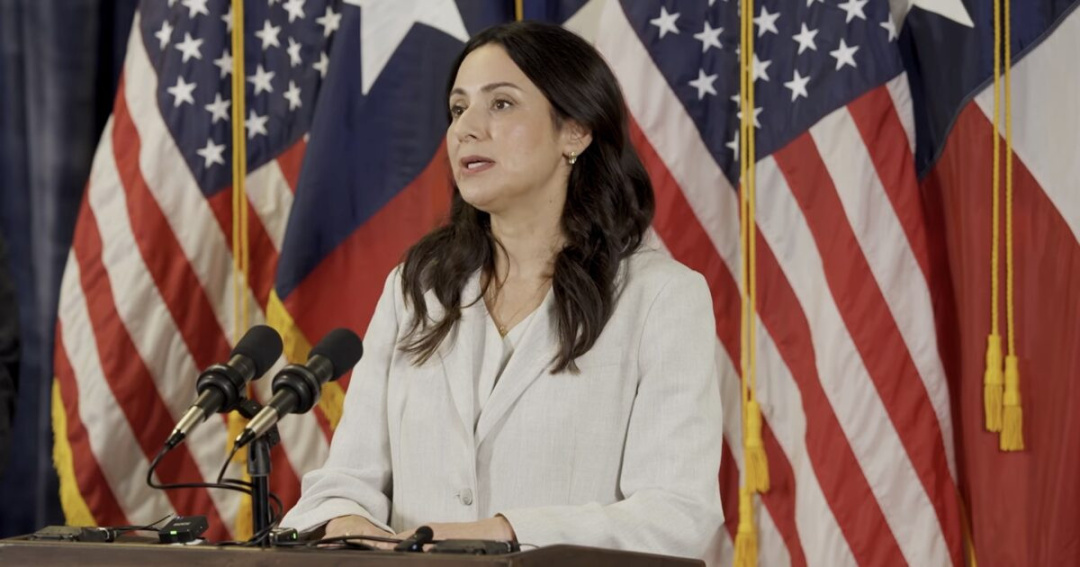
Texas Governor-elect Hinojosa to Overturn CAIR Terrorist Designation
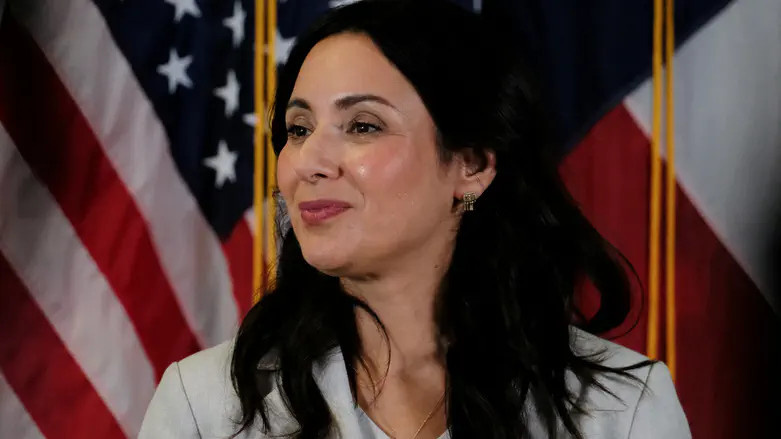
Texas Governor-elect Gina Hinojosa has announced her intention to overturn the state's designation of the Council on American-Islamic Relations (CAIR) as a terrorist organization. This decision marks a significant shift from the policy implemented by outgoing Republican Governor Greg Abbott, who labeled CAIR as a terrorist organization in November 2025.
In an interview with The Washington Post, Hinojosa expressed her concerns regarding the designation, describing it as a misuse of resources that should be allocated for public safety. She emphasized the need to utilize public safety measures effectively, stating, "We have to use public safety measures for public safety," and criticized the previous administration's approach as a diversion of funds meant for community protection.
Governor Abbott's designation of CAIR and the Muslim Brotherhood as foreign terrorist organizations was accompanied by claims that these groups promote extremist objectives and support terrorism. Abbott's announcement included a prohibition on these organizations from acquiring real estate in Texas, asserting that their actions threaten public safety and violate state laws.
In response to the designation, CAIR filed a lawsuit in federal court challenging the state's actions. The organization argues that the designation is unfounded and detrimental to its operations. Texas Attorney General Ken Paxton defended the restrictions, labeling CAIR and similar groups as anti-American and asserting that their presence in Texas poses a significant risk.
Hinojosa's Broader Strategy on CAIR Designation
Hinojosa's plans to reverse the designation align with a broader trend, as other states, including Florida, have also taken similar actions against CAIR and the Muslim Brotherhood. Florida Governor Ron DeSantis enacted a similar designation shortly after Abbott's announcement, reflecting a growing political movement against these organizations.
As Hinojosa prepares to take office, her stance on this issue may influence future policies regarding civil rights and public safety in Texas. The implications of her decision could resonate beyond state lines, potentially impacting national discussions about the treatment of Muslim organizations and civil liberties.
Final Assessment
The reversal of CAIR's designation could signal a shift in Texas's approach to civil rights and community relations. Hinojosa's administration may prioritize inclusivity and dialogue over confrontation, which could foster a more cooperative environment between state authorities and minority communities. As the legal battle unfolds, the outcome may set a precedent for how similar cases are handled in the future.
Hinojosa's commitment to overturning the terrorist designation reflects a significant political shift in Texas. Her administration's approach could reshape the landscape for civil rights and public safety, emphasizing the importance of resource allocation for community protection rather than divisive policies. As the legal challenges progress, the implications of this decision will likely be closely monitored by both supporters and critics alike.