Richard Clarke Questions Government's Response to Flight Shutdown

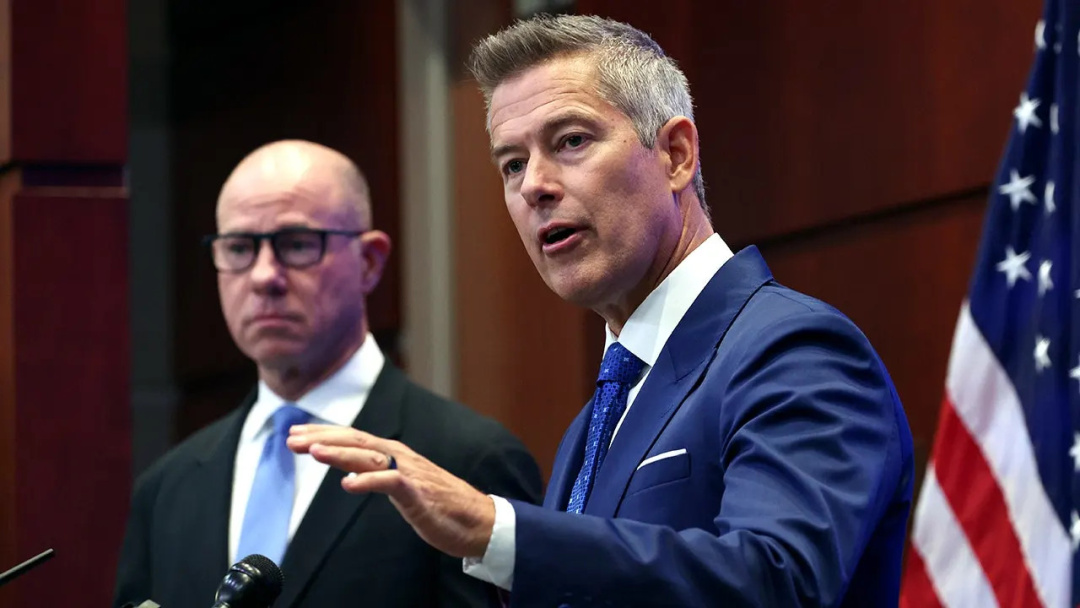
Richard Clarke, a veteran national security expert, expressed his discontent with Transportation Secretary Sean Duffy's responses during a White House press conference on Friday, following a significant nationwide flight shutdown that lasted over four hours. Clarke, who has served under multiple presidential administrations, stated that a more comprehensive explanation is necessary regarding the incident.
The Federal Aviation Administration (FAA) halted all operations in U.S. airspace, with Duffy attributing the disruption to outdated FAA routers. Meanwhile, Homeland Security Secretary Markwayne Mullin claimed there was "zero evidence" of a cyberattack, a statement that left Clarke astonished. He argued that it is premature to dismiss the possibility of a cyber incident without conducting a thorough forensic analysis.
Clarke emphasized that the American public deserves a clear explanation for the shutdown, criticizing the notion that the system simply became overloaded without any specific cause. He pointed out that the timing of the incident, occurring on a Friday afternoon when no unusual events were happening, raises further questions about the reliability of the air traffic control system.
FAA's Response to System Overload Concerns
During the press conference, Duffy announced the FAA's plans to enhance its artificial intelligence-based platform, SMART, which is designed to improve efficiency by centralizing various data streams. However, he insisted that this new system could not have contributed to the shutdown, despite Mullin mentioning that unnamed officials were implementing new technology that overwhelmed the older systems.
Final Brief
The flight disruption occurred shortly after a global Microsoft outage that affected numerous systems worldwide. Although Clarke noted that the two incidents were likely unrelated, he criticized the press conference as one of the worst examples of crisis communication he has witnessed. He highlighted the importance of having backup systems in place and the necessity of testing new technologies under high load conditions before deployment.
Clarke's remarks underscore the pressing need for accountability and transparency in the management of national airspace, especially in light of recent technological advancements and potential vulnerabilities. He concluded by reiterating that there are many unanswered questions regarding the incident, emphasizing the importance of trust in the aviation system.