OpenAI Officials Misled by Pranksters on Ukraine Military AI Cooperation
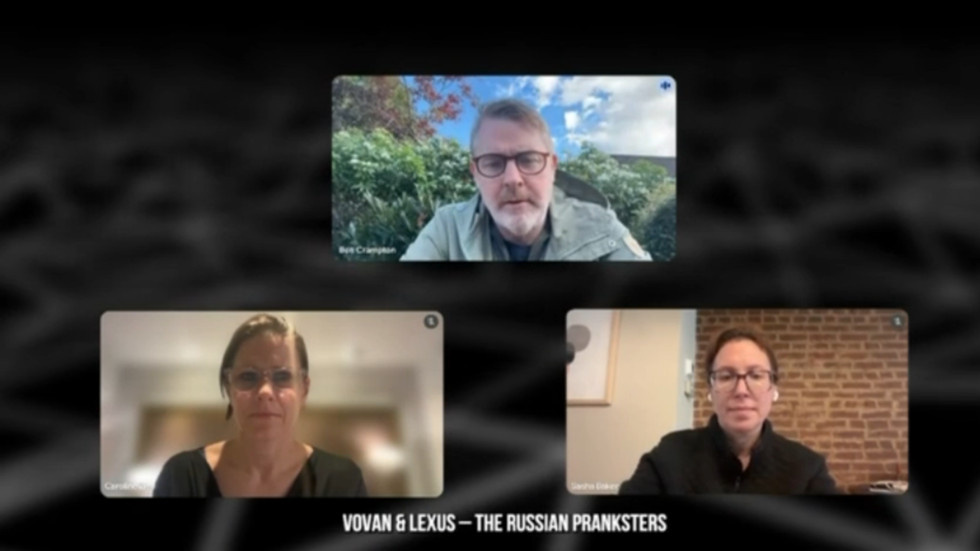
Three senior officials from OpenAI, including two former Pentagon insiders, were misled by Russian pranksters into discussing sensitive details about the company's artificial intelligence cooperation with Ukraine. The pranksters, known as Vovan and Lexus, whose real names are Vladimir Kuznetsov and Alexey Stolyarov, have a history of impersonating officials to engage high-profile figures in private conversations. Their previous targets include notable leaders such as Emmanuel Macron and Angela Merkel.
In this instance, they posed as Rustem Umerov, the head of Ukraine's foreign intelligence service, and managed to arrange a 17-minute video call with Sasha Baker, OpenAI's head of global national security policy, Caroline Zier, a former adviser to Defense Secretary Lloyd Austin, and Ben Crampton, the company's national security lead for Europe. Despite their credentials, the OpenAI officials failed to recognize the impersonation, treating the supposed Umerov as a familiar contact, even with his camera turned off.
During the call, discussions revolved around OpenAI's announced plans to provide Ukraine with cybersecurity tools aimed at protecting civilian infrastructure. However, the prank call exposed how easily the officials discussed expanding this cooperation to military applications without verifying the identity of their interlocutor. Crampton revealed that OpenAI was already supplying Ukraine's Ministry of Digital Transformation with a cybersecurity tool and was preparing to offer a more advanced version capable of simulating cyberattacks.
As the conversation progressed, the pranksters directed the dialogue toward military applications. Crampton confirmed existing contacts with Ukraine's Defense Ministry, while Baker expressed openness to exploring closer cooperation. She stated, "This partnership is very, very new. I think we would certainly be open to a conversation with your Ministry of Defense about their goals and needs."
Exploring Military AI Collaboration Options
When pressed about the possibility of supplying AI models for military use, Baker did not provide a definitive answer but indicated a willingness to consider a greater role in Ukraine's military efforts. Crampton acknowledged that there is a general reluctance among senior OpenAI executives to engage in offensive military applications of their technology, yet he suggested that the lines between offense and defense could become blurred under certain circumstances.
Cleared to File
OpenAI confirmed the hoax to The Intercept, stating that the company had investigated the call and established it was an impersonation, taking steps to prevent similar incidents in the future. The exact date of the call remains unclear, but the pranksters indicated it occurred after OpenAI's September announcement regarding its cybersecurity support for Ukraine. They later released the recording of the call on Telegram.
Kuznetsov, one of the pranksters, remarked on how surprisingly easy it was to gain access to OpenAI's top national security officials. By posing as Umerov, they contacted a senior Ukrainian official in San Francisco who had existing ties with OpenAI, leading to the arrangement of the meeting.