UAE Official Warns of National Security Threats from European Protests
A senior official from the United Arab Emirates has raised alarms about the nature of recent protests in Europe, suggesting they have crossed a critical threshold into national security threats. Dr. Ali Rashid Al Nuaimi, who chairs the Defense, Interior and Foreign Affairs Committee of the UAE's Federal National Council, stated that while demonstrations are a form of political expression, the actions observed in 11 cities across Europe represent a significant risk to national security. He highlighted the importance of addressing extremism before it escalates into violence.
The comments come amid a broader European discourse on radicalization. A report from Europol indicated that authorities across 16 countries had flagged over 9,000 instances of extremist and terrorist content on various social media and gaming platforms. This operation aimed to tackle online material promoting jihadist, far-right, and anarchist violence, which could potentially attract minors to extremist ideologies.
The UAE's strategy to combat extremism is characterized by a proactive approach that begins in educational settings and within families. Al Nuaimi articulated that the focus should be on fostering coexistence and mutual respect among diverse communities. He noted that the UAE's educational system promotes values that encourage acceptance and understanding across different religions and ethnic backgrounds.
At the International Center of Excellence for Countering Extremism and Violent Extremism, known as Hedayah, Maqsoud Kruse, the chairman of the center's International Steering Board, elaborated on the complexities of radicalization. He described it as a process that can start with ideas and emotional responses, potentially culminating in violent actions. Kruse emphasized the necessity for international collaboration in addressing these challenges, asserting that no single entity can tackle extremism alone.
The UAE's integrated approach combines psychology, sociology, education, and economics, moving beyond a purely security-focused perspective. Kruse argued that investing in education and community engagement is essential to address the root causes of radicalization, rather than waiting for extremist beliefs to manifest as violence. He also pointed out that poverty is not the sole driver of extremism, as individuals from affluent backgrounds can also adopt radical ideologies.
Promoting Tolerance Through Cultural Initiatives
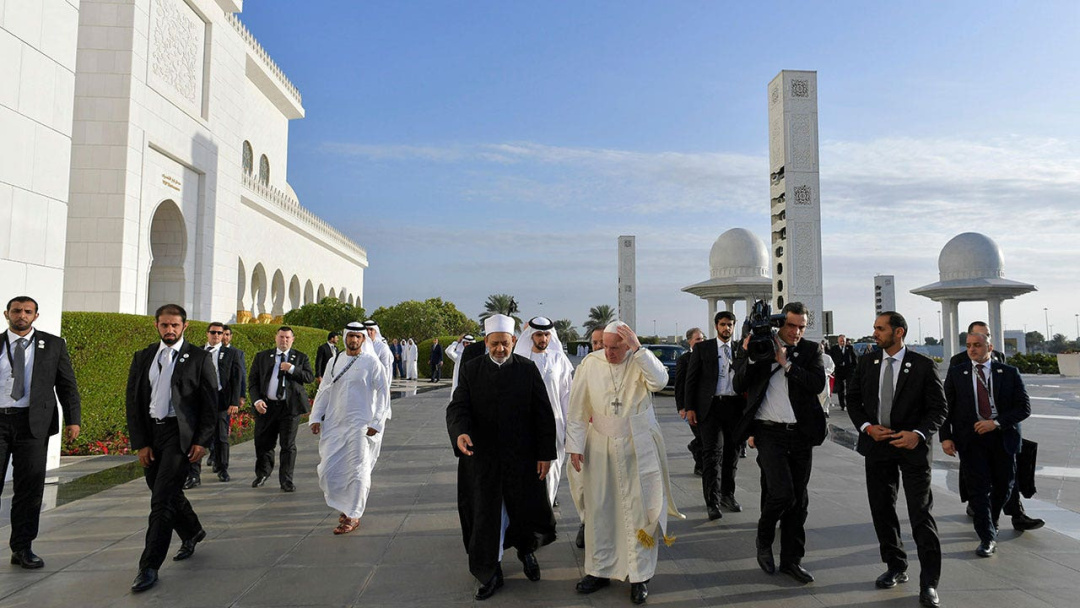
In Abu Dhabi, the Sheikh Zayed Grand Mosque serves as a symbol of the UAE's commitment to tolerance and coexistence. The mosque's architecture and visitor displays reflect the values of mutual respect and the legacy of the UAE's founding president. The government has implemented various initiatives to promote tolerance, including legislation against discrimination and the establishment of a minister of state for tolerance.
The UAE's efforts extend beyond its borders, as seen in the signing of the Document on Human Fraternity by Pope Francis and the Grand Imam of Al-Azhar in 2019, which called for dialogue and peaceful coexistence. The Abrahamic Family House, inaugurated in 2023, exemplifies the UAE's vision of interfaith harmony, featuring a mosque, church, and synagogue designed to foster understanding among different religious communities.
Cleared for Release
However, the Emirati model faces challenges, particularly regarding the balance between cultural coexistence and political freedoms. While the UAE promotes tolerance, it also maintains strict controls on political expression and assembly. This duality raises questions about the applicability of the Emirati approach to European democracies.
As the UAE continues to advocate for coexistence and counter-extremism, the effectiveness of these strategies in addressing radicalization and fostering peace remains to be seen. The ongoing tensions in the region and the complexities of international relations will play a crucial role in shaping the future of these initiatives.