Indian NSA Ajit Doval Strengthens Ties with Vietnam During Recent Visit
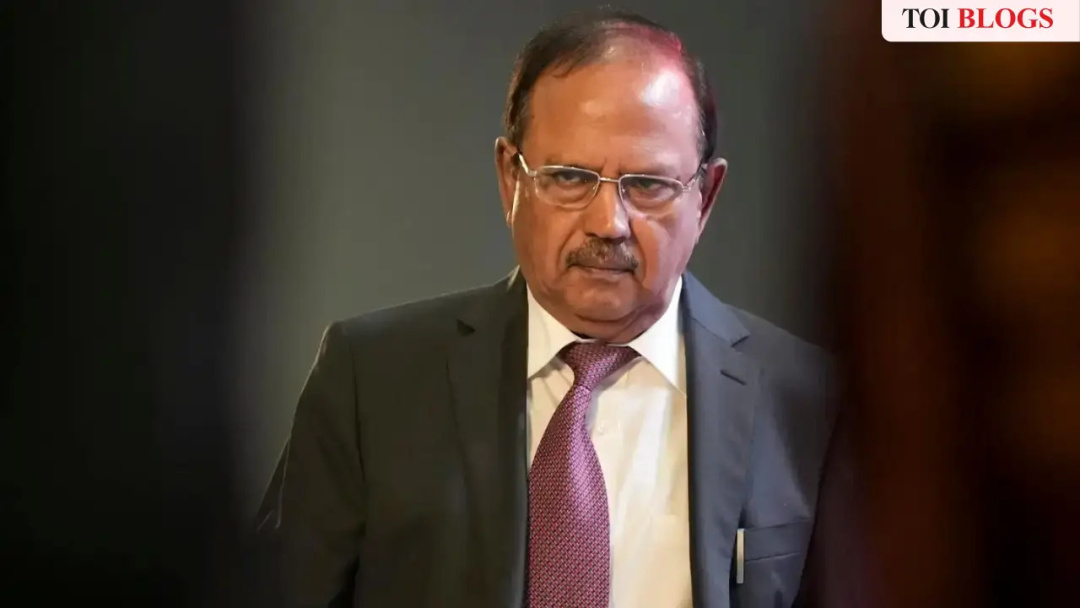
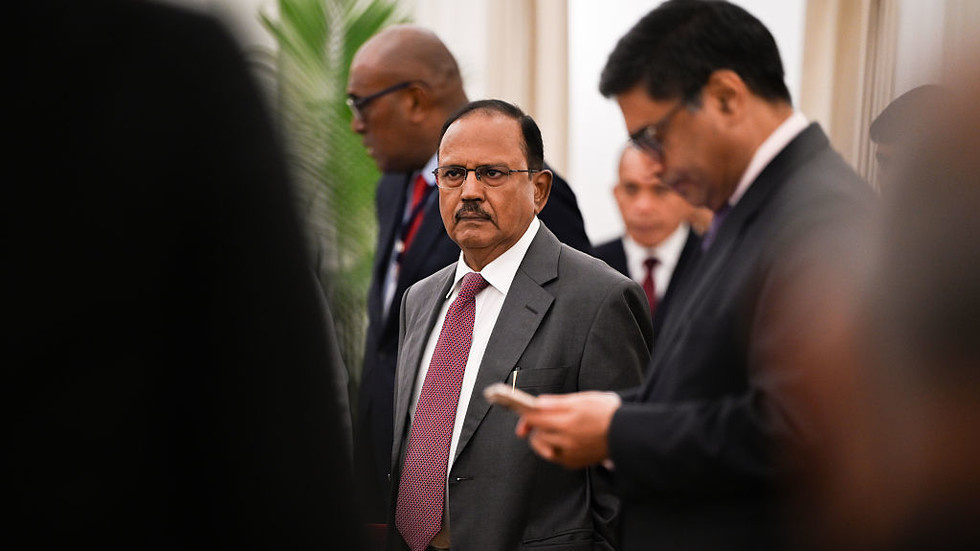
Indian National Security Advisor Ajit Doval's visit to Vietnam on November 1-2, 2026, represented a significant step in fortifying the India-Vietnam Enhanced Comprehensive Strategic Partnership. This visit was crucial not only for the high-level discussions with Vietnam's leadership but also for translating political agreements into actionable strategies for defense and security collaboration.
The elevation of ties between India and Vietnam was formalized during the visit of Vietnam's President and General Secretary of the Communist Party, To Lam, in May 2026. This partnership framework has led to initiatives such as the establishment of a Strategic Diplomacy-Defence Dialogue and enhanced cooperation in trade and emerging sectors, aiming to create a resilient and future-oriented partnership.
Prior to Doval's visit, several key developments occurred to bolster India-Vietnam relations. Notably, during the BRICS meeting on September 12, 2026, Indian Prime Minister Modi met with Vietnam's Prime Minister Hung, welcoming Vietnam's participation as a BRICS Partner Country. This engagement was seen as a means to enhance collaboration in areas like innovation and sustainable development, reinforcing Vietnam's role in India's Act East Policy.
Additionally, the 19th India-Vietnam Joint Commission Meeting on Trade, Economic, Scientific and Technological Cooperation on September 14 identified steps for deepening defense co-production and increasing the supply of Indian-made defense equipment. The Fourth India-Vietnam Security Dialogue on October 16 further addressed critical security challenges, including cybersecurity and counterterrorism, emphasizing the need for enhanced cooperation in law enforcement and capacity-building.
Doval's meetings in Hanoi focused on security and intelligence cooperation, particularly in law enforcement, cyber, maritime, and economic security. The discussions included timely intelligence sharing and strengthening capacity-building efforts in these areas. Doval also met with Vietnam's Deputy Prime Minister and Minister of National Defence, General Phan Van Giang, to discuss further engagement in the defense sector, which remains a central pillar of their partnership.
Commemorating Diplomatic Milestones Ahead
In discussions with Vietnam's Foreign Affairs Minister Le Hoai Trung, both sides explored ways to commemorate the 55th anniversary of diplomatic relations in 2027, reflecting the ongoing commitment to their Enhanced Comprehensive Strategic Partnership. Doval's visit also included a meeting with President To Lam, where he expressed gratitude for Vietnam's support in strengthening bilateral ties and conveyed greetings from Prime Minister Modi.
The backdrop of Doval's visit was marked by increasing regional uncertainties, particularly due to China's military expansion in the South China Sea. China's activities, including the establishment of military facilities and artificial islands, pose significant challenges not only for Vietnam but also for India, given that a substantial portion of India's trade transits through the Indo-Pacific. Consequently, both nations have compelling reasons to enhance maritime domain awareness and respond effectively to emerging security threats.
Final Assessment
Doval's visit underscored the strategic significance of India-Vietnam cooperation across various domains, including defense, maritime security, and regional diplomacy. The frequency of high-level exchanges following the elevation of bilateral relations indicates a mutual recognition of each other as trusted partners, capable of leveraging complementary strengths for shared benefits. For India, Vietnam is not just a key player in the Act East Policy but also an essential ally in fostering a stable and inclusive Indo-Pacific region. Conversely, Vietnam views India as a reliable partner with growing capabilities in defense production and regional diplomacy.
In a time of escalating strategic competition, the partnership between India and Vietnam exemplifies how collaboration among like-minded nations can enhance regional stability without forming exclusive military alliances. Their relationship is built on mutual respect, strategic autonomy, and a commitment to international law, prioritizing peace and prosperity in the region.