Marco Rubio's Role in CIA Assessment on Jensen Huang's Alleged Spy Links
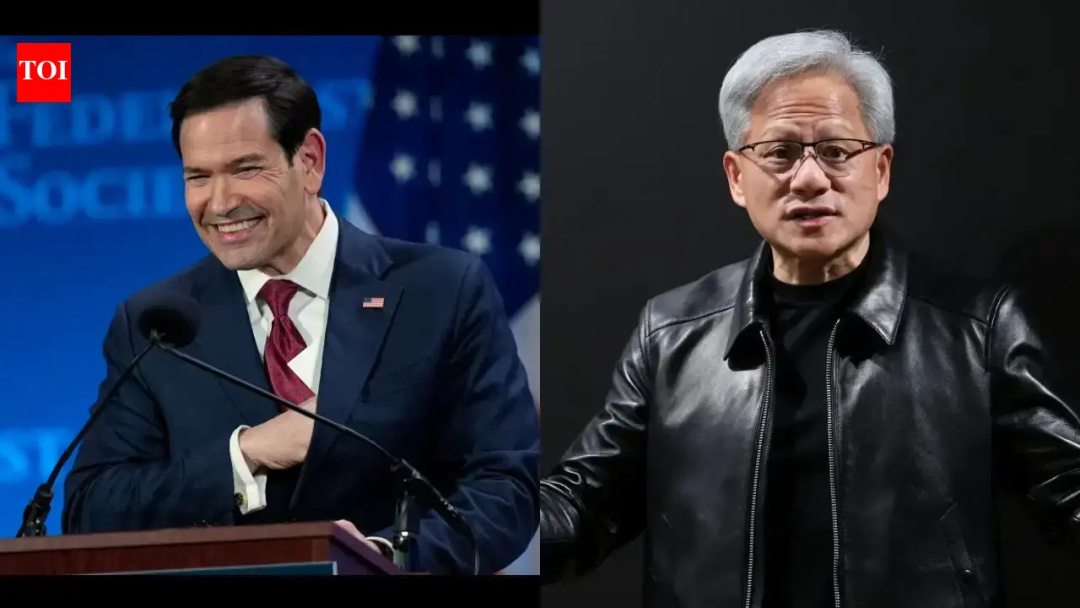
U.S. Secretary of State Marco Rubio has come under scrutiny for reportedly rewriting a CIA intelligence assessment regarding Jensen Huang, the CEO of Nvidia. According to a report from the Washington Post, Rubio's version of the assessment employed more forceful language than the original, which ultimately played a significant role in Huang's downfall. The assessment focused on Huang's relationship with a woman believed to be a Chinese spy, raising alarms within the U.S. national security community.
Rubio, who also serves as President Donald Trump's national security adviser, issued a memo to Trump that highlighted concerns about Huang's connections. Sources familiar with the situation indicated that Rubio recast the CIA's findings in a more assertive manner, which may have influenced the subsequent media coverage and public perception of Huang.
The fallout from this incident has been considerable, culminating in Huang's resignation from Nvidia. His close relationship with Trump had previously allowed him to advocate for the sale of AI chips to China, a position that put him at odds with national security officials who feared that such technology could enhance China's military capabilities. Reports suggest that some officials within the administration were eager to diminish Huang's influence over the president, viewing him as a potential threat to U.S. interests.
Final Assessment
As the situation unfolded, CNN reported that CIA officials were still assessing whether there was sufficient evidence to suggest that the woman in question had knowingly passed information to Beijing. This uncertainty has led to debates about the motivations behind Rubio's rewrite of the CIA assessment. Commentators have pointed out that the framing of Huang as a potential spy may have originated more from Rubio's language than from the CIA's original findings.
At a recent G7 meeting in Paris, Rubio avoided questions regarding his involvement in the controversy. When asked if the allegations had changed his perspective on negotiations with China over AI, he emphasized that the U.S. would always act in its best interests, reflecting the ongoing tensions between the two nations. The implications of this incident extend beyond Huang's career, raising questions about the influence of political figures on intelligence assessments and the broader national security landscape.