Recent Espionage Accusations Target Turkish Government Critics
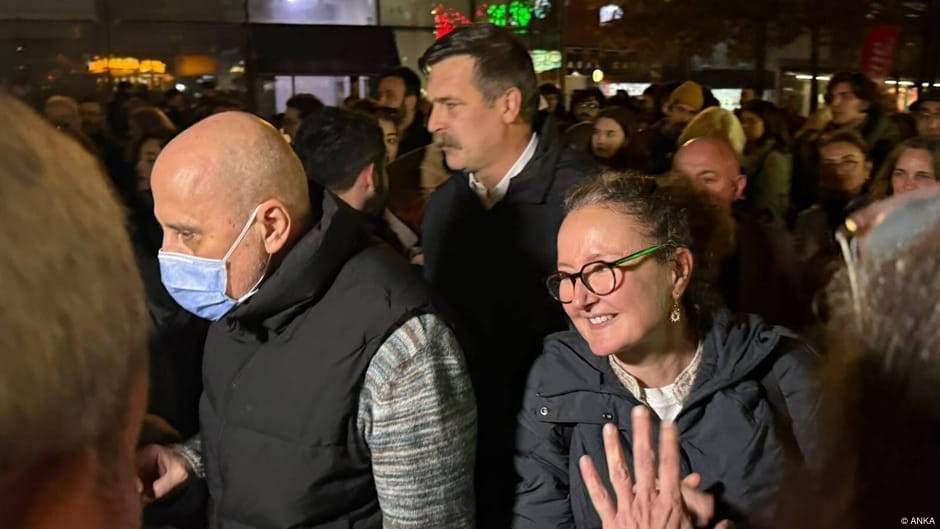
Yonca Verdioglu Sik, a project coordinator for the Heinrich Böll Foundation in Istanbul, was taken into custody last Wednesday evening by police officers, leading to accusations of political and military espionage. However, during her interrogation, the focus shifted away from espionage inquiries to the foundation's activities and financial transactions related to her work. Following her questioning, she was placed under a travel ban but was eventually released, sparking outrage among critics of the Turkish government.
Sik is married to Ahmet Sik, an investigative journalist and member of the left-wing Workers' Party of Turkey, known for his vocal opposition to President Recep Tayyip Erdogan's administration. Critics argue that the arrest serves as a means to exert pressure on Ahmet Sik, who enjoys parliamentary immunity, by targeting his wife instead. In response to her arrest, Ahmet Sik expressed that the erosion of legal protections in Turkey has transformed the state into a repressive entity.
The incident is not isolated; it reflects a troubling trend in Turkey since the 2016 coup attempt, where espionage allegations have been levied against a wide range of individuals, including journalists, opposition figures, and human rights activists. These accusations often lead to lengthy pre-trial detentions and significant reputational damage, creating a chilling effect on dissent.
Diplomatic Fallout from Espionage Claims
Historically, such cases have resulted in diplomatic tensions, as seen in previous instances involving journalists accused of espionage for reporting on sensitive government actions. The Turkish government has also targeted local employees of foreign embassies and NGOs, further illustrating the precarious environment for those associated with foreign institutions.
Filed & Cleared
Experts note that while Turkey has legitimate concerns about foreign intelligence activities, the increasing frequency of espionage accusations against opposition members and civil society organizations raises alarms about the government's intentions. The ruling AKP party has implemented laws that further restrict the activities of foreign entities within Turkey, signaling a broader strategy to control dissent.
As the situation evolves, the implications of these espionage charges extend beyond individual cases, affecting the broader landscape of civil liberties and international relations in Turkey. The government's actions serve both domestic and foreign policy objectives, signaling to other nations the limits of their engagement within Turkey's borders. The case of Yonca Verdioglu Sik exemplifies the ongoing struggle for freedom of expression and the risks faced by those who challenge the status quo in Turkey.