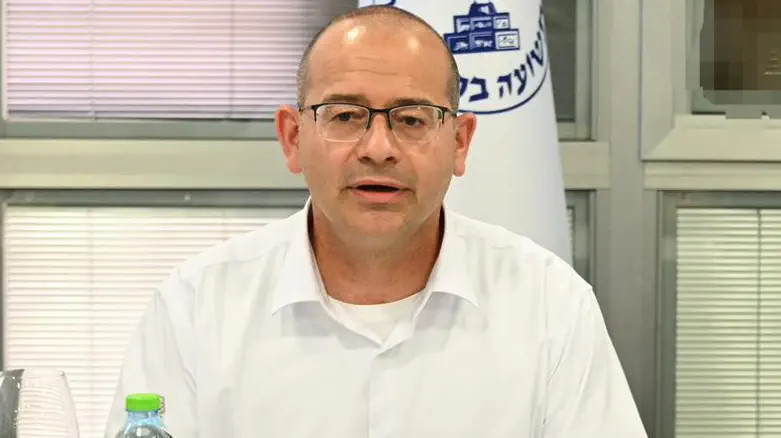
Mossad Director Roman Gofman Meets US Officials Amid Iran Policy Tensions
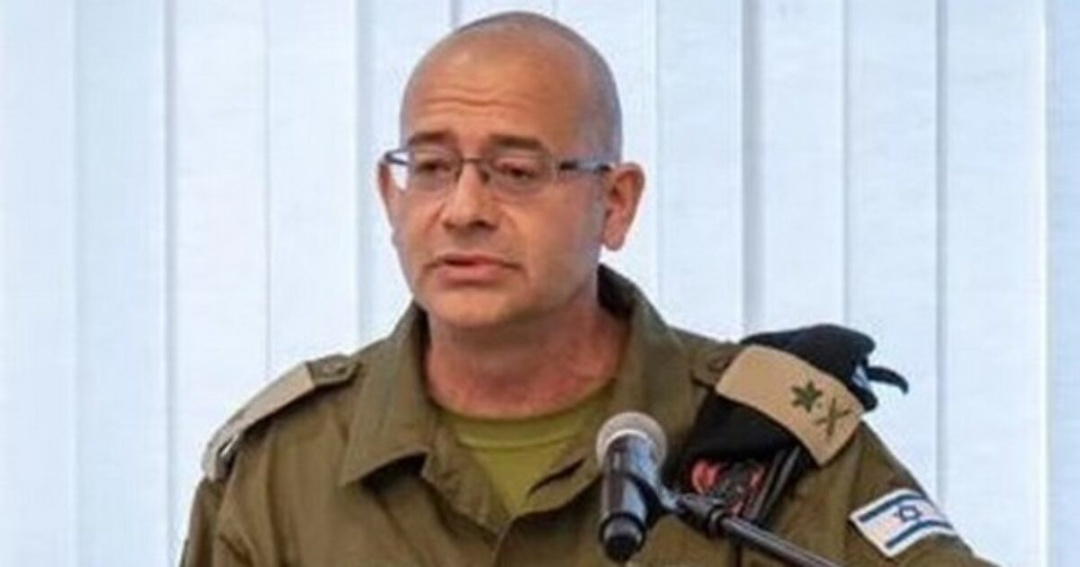
Roman Gofman, the director of Israel's Mossad, was reportedly in Washington, D.C., to meet with CIA Director John Ratcliffe regarding the potential resumption of military operations against Iran. This visit comes amid rising tensions between former President Trump and Israeli Prime Minister Benjamin Netanyahu, who has been advocating for renewed combat efforts.
According to Axios, which cited three unnamed sources, Gofman is expected to argue for reinitiating military actions during his discussions in the U.S. capital. Following his meetings in Washington, he is anticipated to travel to Miami to meet with White House special envoy Steve Witkoff.
The CIA, White House, and Mossad have all declined to comment on the details of Gofman's visit. This diplomatic engagement occurs after a reported heated exchange between Trump and Netanyahu, where the Israeli leader urged the U.S. to take a more aggressive stance against Iran.
Despite Netanyahu's calls for action, Trump has shown reluctance to resume military strikes, opting instead to align with the perspectives of Saudi Arabia, Qatar, and the United Arab Emirates. He has indicated a preference for maintaining a naval blockade and applying economic pressure on Iran while exploring the possibility of a diplomatic resolution.
In a recent podcast, Trump stated that regional allies have requested a continuation of the current strategy, suggesting that Iran is weakening. He emphasized the importance of patience in dealing with the situation, reflecting a strategic approach that prioritizes regional stability over immediate military engagement.
U.S. Strategy and Military Commitment to Iran
The White House has reiterated its strong position regarding Iran, highlighting control over the Strait of Hormuz and the ongoing economic sanctions that are crippling the Iranian economy. The administration has committed to maintaining significant military operations aimed at preventing the movement of advanced weaponry and other restricted materials across Iran's borders.
Gofman's visit and Netanyahu's push for military action are likely influenced by the recent electoral challenges faced by Netanyahu's Likud Party, which has lost seats in the Knesset. As political dynamics shift in Israel, the pressure for a decisive stance on Iran may intensify, especially with the opposition now having the opportunity to form a governing coalition.
Final Assessment
As the political landscape evolves, the implications of Gofman's discussions in Washington could have far-reaching effects on U.S.-Israel relations and the broader geopolitical situation in the Middle East. The ongoing debate over military versus diplomatic strategies will likely continue to shape the discourse surrounding Iran and its regional activities.
The outcome of these high-level meetings and the responses from both U.S. and Israeli leadership will be critical in determining the future course of action regarding Iran. As both nations navigate these complex issues, the stakes remain high for regional security and international relations.