German Spy Chief Warns of Espionage Risks from Tesla Vehicles
Stephan Kramer, the head of Germany’s domestic intelligence agency (BfV) in Thuringia, has issued a warning regarding the potential espionage risks associated with Tesla vehicles. His comments come amid calls from German officials for restrictions on parking internet-connected cars near sensitive government and military facilities.
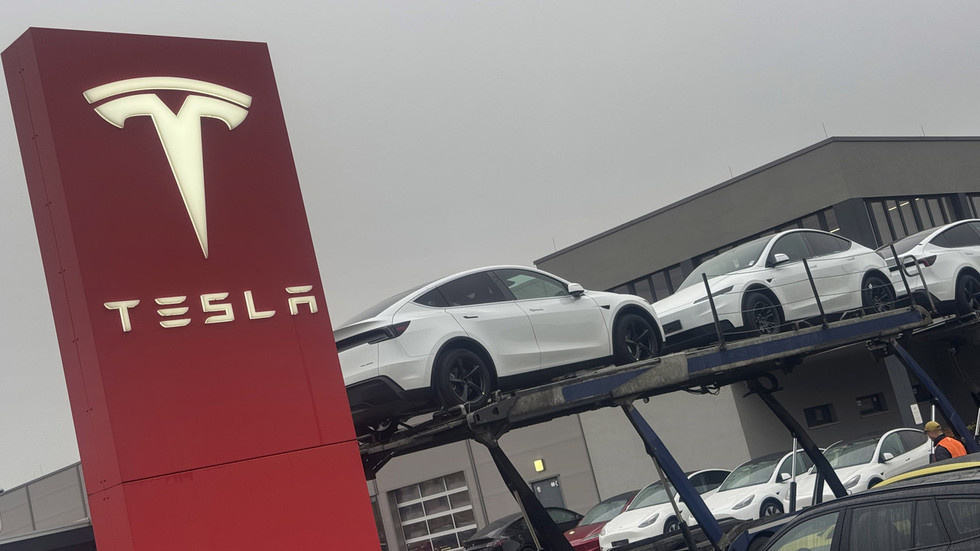
Tesla, an American company led by Elon Musk, operates a significant factory near Berlin, marking it as one of the few foreign automakers with a notable manufacturing presence in Germany. Kramer highlighted the Bundeswehr’s recent decision to limit access for internet-connected vehicles to sensitive areas of military bases, a measure that applies to all manufacturers, including Tesla.
"We should not assume that friends do not spy on one another," Kramer stated in an interview with Handelsblatt. He emphasized that the same security standards should be enforced for Tesla as for other manufacturers. According to the Federal Office for Information Security (BSI), most new vehicles sold in Germany have the capability to collect various types of information, including location data and camera footage, which can be transmitted to manufacturers’ systems.
While there is currently no specific evidence that such data has been used for espionage, the BSI noted that many customers are often unaware of the extent of the data their vehicles generate and transmit. Kramer warned that the cameras and location-tracking systems in internet-connected cars could capture sensitive information, particularly at Bundeswehr facilities, which could include details about military installations and personnel. He described the proposed restrictions as both advisable and proportionate.
Expanding Restrictions on Sensitive Locations
In addition to military sites, Kramer called for similar restrictions in sensitive areas such as government buildings, police facilities, and intelligence agencies. He advised public employees against discussing confidential matters inside internet-connected vehicles.
Case Closed
Kramer's concerns have been echoed by several members of parliament, including Marc Henrichmann of the Christian Democratic Union (CDU) and Johannes Schaetzl, a digital policy spokesman for the Social Democratic Party. Henrichmann remarked, "We must not be naive: Espionage today is no longer carried out solely by agents, but also through technology that we ourselves bring onto our premises." Schaetzl expressed particular concern about vehicles produced by Chinese automaker BYD, referring to them as "black boxes" due to the uncertainty surrounding the data they collect and who has access to it.
Last month, Tesla reported delivering more vehicles globally than Mercedes-Benz’s passenger-car division in the third quarter of 2026. The German automaker faces challenges from US import tariffs and increasing competition from domestic manufacturers in China, such as BYD and Xiaomi.