Nationwide Flight Disruptions in the US Following FAA Communications Failure
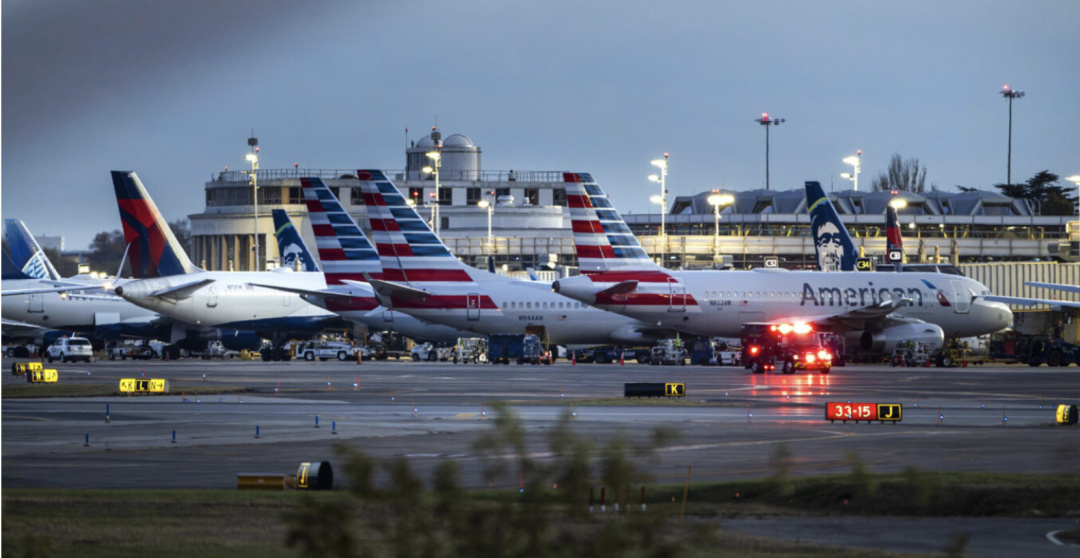
Thousands of flights across the United States have been grounded following a nationwide ground stop ordered by the Federal Aviation Administration (FAA). The disruption is believed to have originated at Chicago Midway International Airport before spreading throughout the country. Reports indicate that over 15% of scheduled US departures were either cancelled or failed to take off, with Canada offering to accommodate American aircraft that had to change course. According to aviation data analytics company Cirium, a total of 26,284 departures were scheduled for the day, with more than 15% resulting in cancellations or delays.
At least 827 flights were diverted, with the majority returning to their original airports while others were redirected to various locations, including Chicago O’Hare and Denver. Cirium noted that flights are classified as “no-fly” if they have not taken off within 180 minutes of their scheduled departure time, and they expect this number to rise as the day progresses.
US President Donald Trump has directed attention to the aging state of the nation’s air traffic control systems following the unprecedented suspension of departures. He stated that, based on current information, the incident does not appear to be linked to a cyberattack, suggesting that the cause may lie in outdated technological infrastructure. This aligns with initial assessments from the Department of Homeland Security, which reported no indications of malicious activity or sabotage.
The potential for a technical failure involving outdated systems is significant, especially in light of warnings from the US Government Accountability Office (GAO). A report from September 2026 indicated that of the FAA’s 138 air traffic control systems, 51 were classified as unsustainable, with an additional 54 deemed potentially unsustainable. Recently, the US Department of Transportation announced a new phase of modernization aimed at replacing outdated data storage systems and equipment dating back to the 1980s.
International Impact of FAA System Failures
The disruption has also affected Canadian airports, with no departures from Ontario International Airport and significant delays reported on flights from Ottawa to the United States. Vancouver International Airport has noted cancellations and delays on both domestic and international flights due to the situation.
Case Closed
As the FAA’s ground stop continues, travelers at major US airports are facing challenges retrieving their luggage and finding accommodations, with hotel prices reportedly soaring. A coordinated response involving multiple law enforcement and intelligence agencies has found no evidence of an attack, with investigations focusing on a communications software issue rather than deliberate action. US security agencies are expected to continue their search for a potential point of attack, as cyber threats may sometimes be traced to deeper layers of computer networks.
In light of the ongoing situation, Mexico’s civil aviation authority has announced that all flights bound for the United States have been instructed to remain on the ground until US authorities authorize the resumption of air traffic. The FAA’s nationwide ground stop has resulted in over 13,000 flights being cancelled or delayed, with disruptions expected to persist into the weekend. NAV CANADA has lifted air traffic management restrictions at its major airports, confirming that its systems are operating normally, but is advising passengers to check flight statuses directly with their airlines.