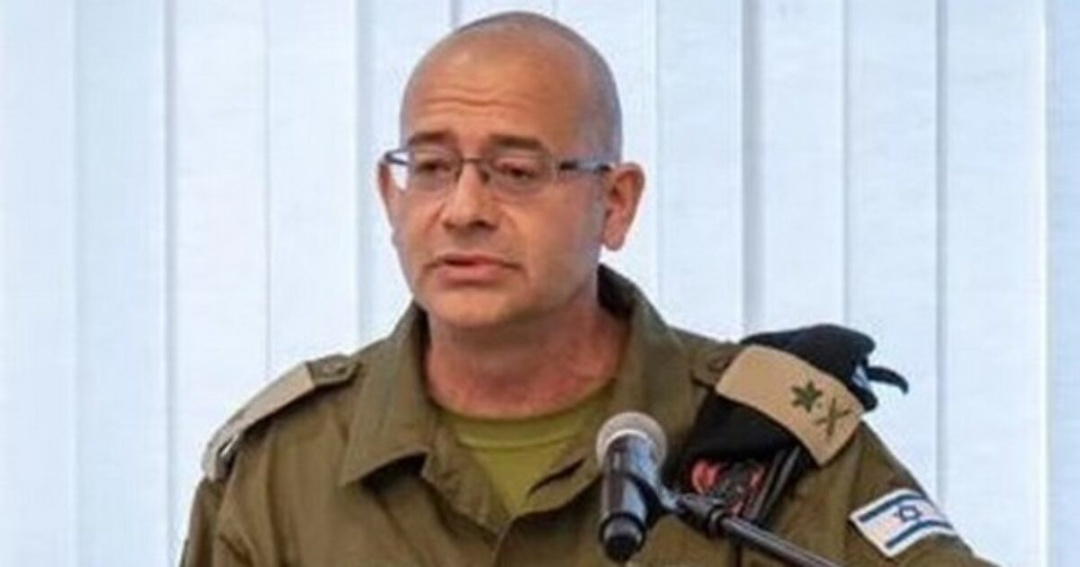
Mossad Chief Roman Gofman Meets U.S. Officials Amid Iran Tensions
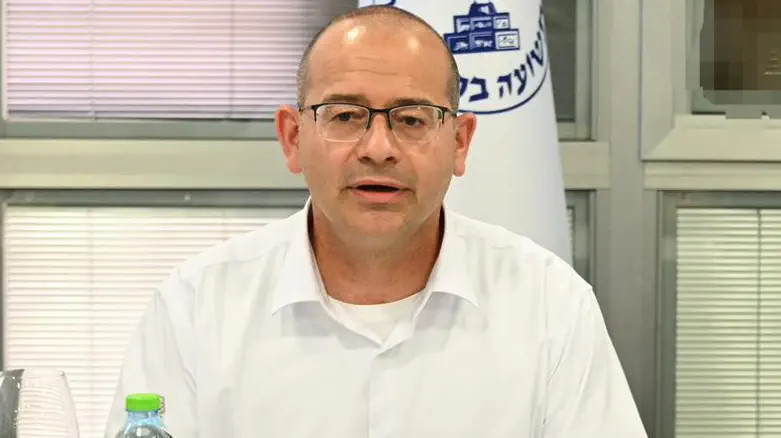
Mossad Director Roman Gofman traveled to Washington on Friday for discussions with senior officials in the Trump administration concerning the ongoing confrontation with Iran, as reported by Axios. Gofman, a close confidant of Prime Minister Benjamin Netanyahu, held talks with CIA Director John Ratcliffe. There are indications that Gofman may also travel to Miami for a meeting with White House envoy Steve Witkoff.
This visit comes as Netanyahu continues to urge U.S. President Donald Trump to authorize renewed military strikes against Iran, despite the President's reluctance to resume large-scale combat operations. According to a U.S. official cited by Axios, Trump and Netanyahu discussed the Iran situation during a telephone conversation on November 5. However, the President has so far resisted the Prime Minister's calls for additional strikes.
Instead, Trump has favored an approach supported by Saudi Arabia, Qatar, and the United Arab Emirates, which involves maintaining the American naval blockade and applying economic pressure on Iran while exploring the possibility of reaching a negotiated agreement. The Mossad, CIA, and White House all declined to comment on Gofman's visit.
Despite his decision not to immediately renew military operations, Trump made it clear that further strikes against Iran remain an option. In a recent interview, he was asked whether he would hesitate to order another military attack against the Iranian regime. Trump responded without hesitation, emphasizing the effectiveness of current operations and the absence of U.S. military fatalities in recent months.
He defended the results of the American military campaign, highlighting the damage inflicted on Iran and the lack of casualties among U.S. forces. Trump noted that the U.S. has been engaged in military actions for a shorter duration compared to other conflicts, and he expressed confidence in the current strategy.
Trump's Strategic Considerations on Iran
In a separate interview, Trump elaborated on why he had refrained from ordering a broader assault on Iranian infrastructure, stating that regional allies, including Israel, preferred to continue the existing military and economic pressure. He indicated that these allies had urged him to allow more time for this strategy to weaken the Iranian regime.
Trump suggested that he personally favored stronger action and could rapidly destroy much of Iran's remaining infrastructure if he chose to escalate the campaign. He emphasized that the U.S. has not yet targeted Iran's energy sector, indicating that such an action could be executed swiftly if necessary.
Final Assessment
As discussions continue, the dynamics between the U.S. and Israel regarding military strategy towards Iran remain complex. While Netanyahu pushes for more aggressive action, Trump appears to be weighing the potential consequences of renewed strikes against the Iranian regime. The situation underscores the delicate balance of international relations and the ongoing challenges in addressing Iran's influence in the region.
As the dialogue between U.S. and Israeli officials progresses, the implications of these discussions could significantly impact future military strategies and diplomatic relations in the Middle East. The ongoing tension surrounding Iran's activities continues to be a focal point for both nations as they navigate their respective security interests.