Bessent Criticizes Commerce for Delayed Megaspeed Restrictions
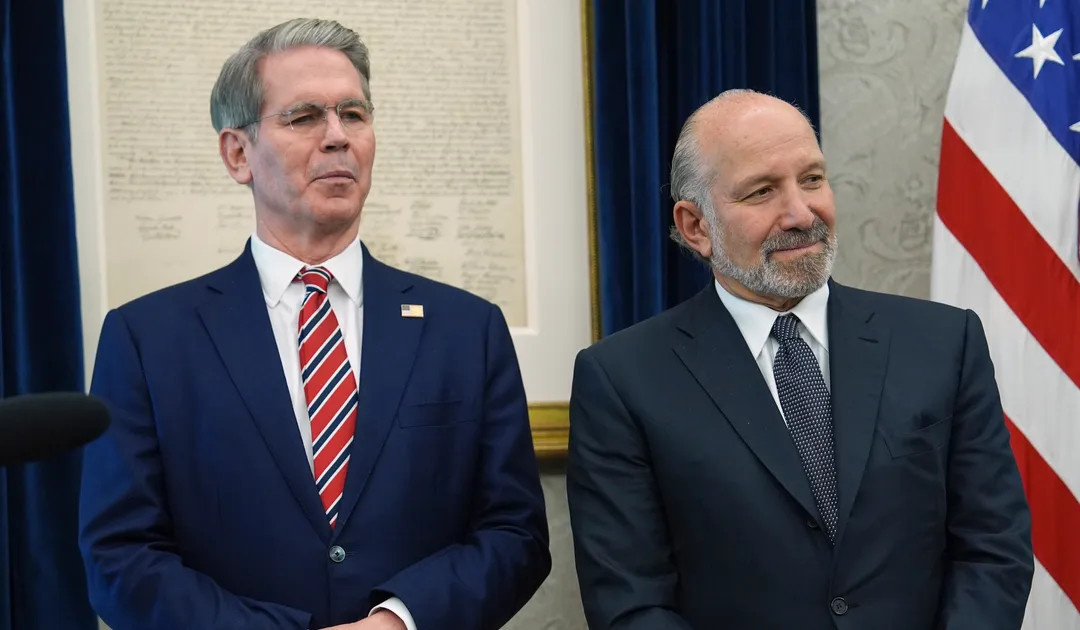
Treasury Secretary Scott Bessent has publicly criticized the Commerce Department for its failure to impose restrictions on Megaspeed, a company entangled in Nvidia's alleged espionage scandal. Bessent indicated that his department had been requesting these restrictions for several months, asserting that the Commerce Department holds the authority to act. "Commerce has the pen," he remarked during a recent interview with CNBC, highlighting the frustration felt within the Treasury regarding the lack of action.
Bessent referenced President Trump's clear directive against allowing China access to Nvidia chips exceeding the H100 model. He noted that various departments, including Treasury, the Department of Defense, and the Office of the U.S. Trade Representative, supported placing Megaspeed on the Entity List, but the final decision rested with Commerce. This situation has raised concerns about the potential diversion of advanced American technology to China.
In the interview, Bessent declined to confirm reports that he confronted Commerce Secretary Howard Lutnick about the delays in implementing these restrictions. He reiterated that the Treasury has been advocating for action at the deputy level, emphasizing that they possess the necessary authorities to impose restrictions.
The controversy surrounding Nvidia has intensified following the resignation of its CEO, Jensen Huang, who admitted to personal misconduct involving an executive at Megaspeed. This development has led to increased scrutiny of the company's operations and its ties to China, prompting discussions within the White House about Lutnick's future in his role.
National Security Concerns Amid Corporate Scandal
As the situation unfolds, the implications for U.S. national security and technology exports remain significant. The scrutiny over Nvidia's chip exports to China and the actions of the Commerce Department will likely continue to be a focal point in discussions about corporate governance and national security policy.
Final Assessment
The ongoing debate about the export of advanced technology to China highlights the complexities of balancing economic interests with national security concerns. As government officials navigate these challenges, the need for clear and decisive action becomes increasingly apparent. The situation serves as a reminder of the delicate interplay between corporate actions and government oversight in the realm of international trade and security.
The fallout from the Nvidia scandal and the response from government agencies will likely shape future policies regarding technology exports. As the investigation continues, stakeholders will be watching closely to see how the U.S. government addresses these critical issues and what measures will be taken to prevent similar situations in the future.