Jensen Huang's Resignation Sparks Controversy Over US-China AI Relations
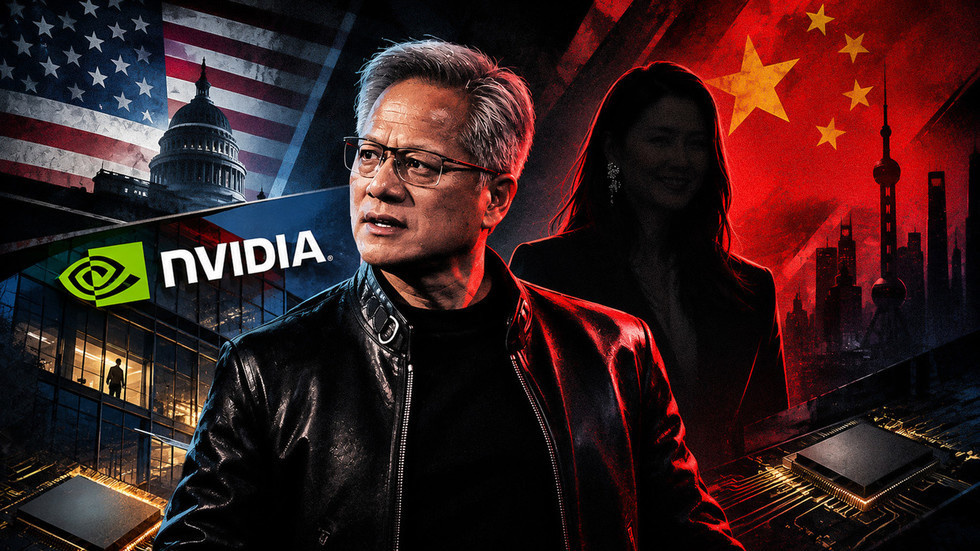
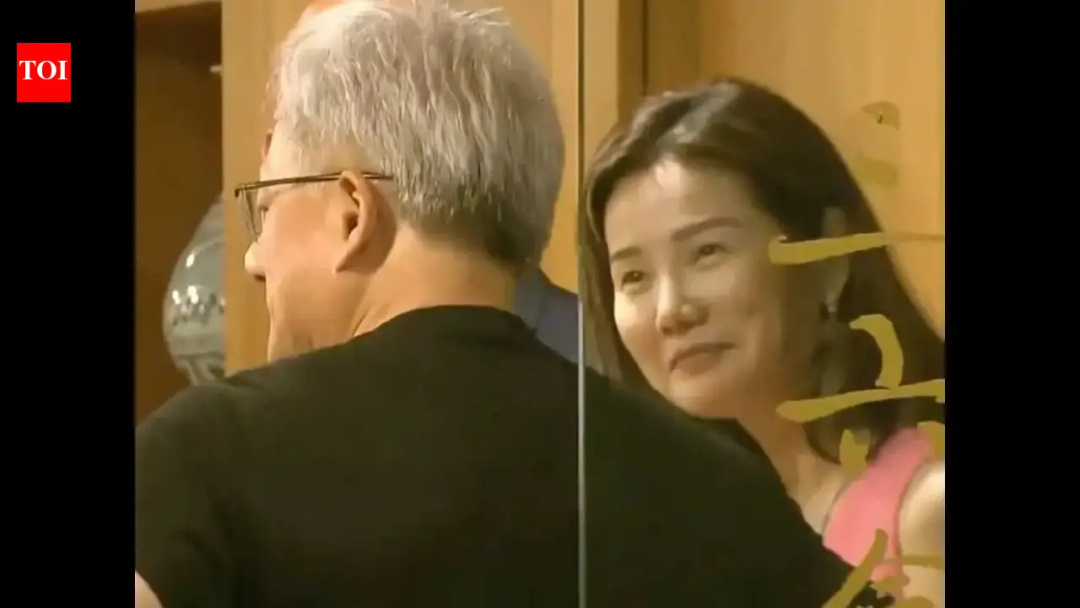
Jensen Huang, the founder of Nvidia, has resigned following allegations of extramarital affairs, including one with Alice Huang, a businesswoman linked to Chinese interests. This scandal has ignited a politically charged debate about who stands to gain from Huang's departure, particularly in the context of ongoing tensions between the US and China regarding technology exports.
Huang's resignation comes at a critical time, just before a planned summit between US President Donald Trump and Chinese President Xi Jinping. His exit raises concerns among lawmakers who have been advocating for stricter controls on technology exports to China. Huang has been a vocal opponent of such restrictions, arguing that cutting off China from American technology could accelerate its efforts to develop independent capabilities.
The allegations against Huang suggest that he may have been influenced by Alice Huang, who is suspected of having ties to Chinese intelligence. This has led to intensified scrutiny from congressional leaders who are questioning whether sensitive information may have been compromised. Representative John Moolenaar has highlighted Huang's previous stance against export controls, suggesting that the scandal sheds new light on the risks associated with such positions.
In the wake of Huang's resignation, there are concerns about the potential benefits for rival American technology firms. Some analysts speculate that competitors could capitalize on Huang's absence, particularly given his support for more affordable Chinese technology solutions that challenge established American companies. This has led to speculation about whether Huang's removal was orchestrated by those with vested interests in the tech industry.
Reactions from Silicon Valley Leaders
The fallout from Huang's resignation has also prompted reactions from notable figures in Silicon Valley, with many expressing regret over his departure. Prominent tech leaders have described the situation as a significant loss for innovation and progress in the industry. The controversy surrounding Huang's exit has raised questions about the motivations behind the allegations and the broader implications for US-China relations in the tech sector.
Cleared to File
As the investigation into Huang's connections continues, the narrative surrounding the alleged espionage has come under scrutiny. Reports indicate that US intelligence officials are divided on the validity of the claims against Alice Huang, with some suggesting that the evidence does not conclusively support the allegations. This uncertainty raises critical questions about how such narratives gain traction in the media and the potential impact on national security policy.
The leadership vacuum left by Huang's resignation poses challenges for Nvidia as it navigates the complex landscape of US-China technology relations. The company is now tasked with finding a successor who can effectively manage its strategic position in the global AI market while addressing the heightened scrutiny from lawmakers and the public. The future direction of Nvidia will likely depend on how the new leadership approaches the contentious issue of technology exports to China and the ongoing geopolitical tensions that shape the industry.