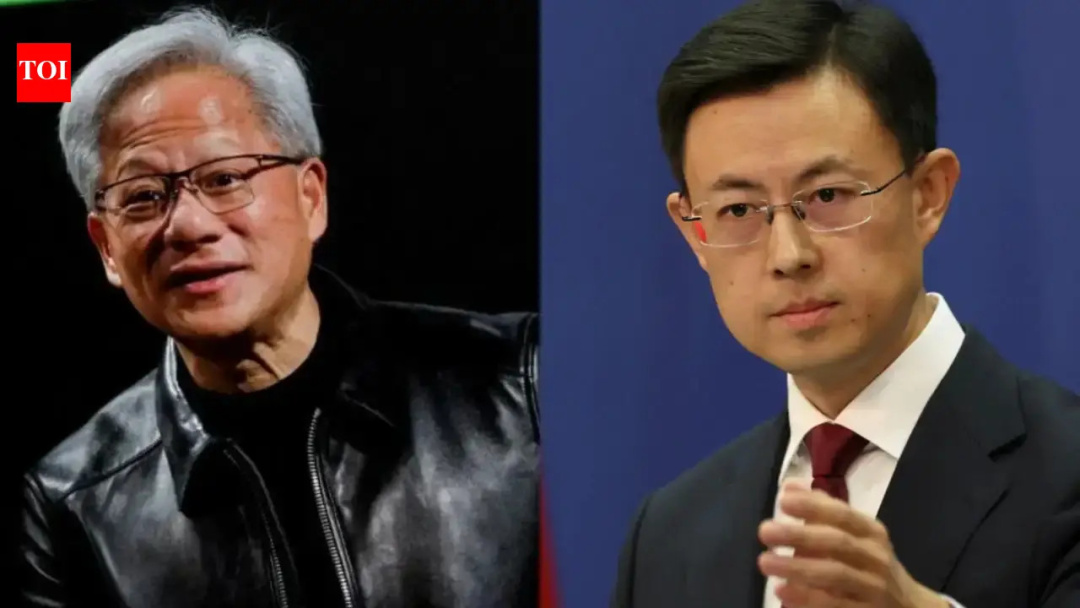
China's Espionage Tactics Exposed in Nvidia Scandal

The Nvidia scandal surrounding former CEO Jensen Huang has brought to light the complexities of China's espionage tactics, particularly in relation to American technology. Allegations suggest that Huang's personal relationships may have been manipulated by Chinese intelligence, raising national security concerns. This situation exemplifies how espionage can extend beyond traditional methods, incorporating personal connections and cyber operations to achieve strategic objectives.
China's intelligence operations have evolved significantly, utilizing tactics such as honey traps to compromise individuals in positions of power. Historically, these methods have been effective in gaining access to sensitive information that might otherwise be protected. The Nvidia case serves as a reminder of the vulnerabilities that exist within corporate structures, especially in the technology sector, where valuable intellectual property is at stake.
The Ministry of State Security (MSS) plays a crucial role in China's espionage efforts, overseeing various intelligence operations that include cyber espionage and counterintelligence. The MSS has shifted towards a more aggressive stance in recent years, particularly in its dealings with the United States, which it now views as a primary adversary. This shift has led to increased scrutiny of American companies and their potential exposure to foreign intelligence operations.
Clearance Granted
As investigations into the Nvidia scandal continue, it remains unclear whether any sensitive information was compromised. The FBI and other agencies are examining the extent of Huang's connections and the potential implications for national security. The case underscores the need for vigilance among executives and companies operating in high-stakes environments, where personal relationships can be leveraged for espionage purposes.
The fallout from this scandal may have broader implications for the tech industry, as it highlights the ongoing risks associated with foreign intelligence activities. Companies must remain aware of the potential for espionage and take proactive measures to safeguard their intellectual property and sensitive information. The Nvidia incident serves as a cautionary tale for other firms navigating the complex landscape of international business and security.