Concerns Over U.S. Government's History of False Spy Accusations

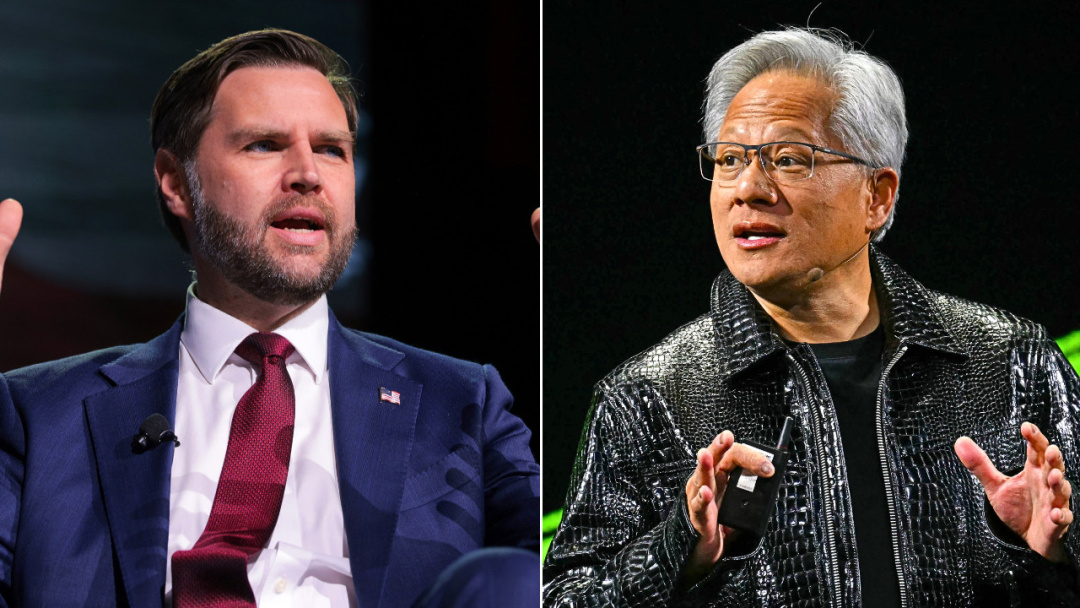
The U.S. government's track record of falsely accusing individuals of being Chinese spies has come under scrutiny, particularly in light of recent allegations involving Nvidia CEO Jensen Huang. Reports emerged from the New York Times, citing anonymous U.S. officials, suggesting that Huang's mistress was suspected of espionage for the Chinese government. This has sparked widespread media attention, but a closer examination reveals a troubling history of baseless accusations that have devastated lives.
One notable case is that of Hu Anming, a Chinese-Canadian physicist who was wrongfully accused of economic espionage in 2020. Following these allegations, he was terminated from his position at the University of Tennessee Knoxville, which closed his nanotech lab without due process. Hu was later acquitted of all charges, but the damage was done, as he faced a lengthy FBI investigation based on flawed evidence, including a poor translation from Mandarin.
Similarly, Feng "Franklin" Tao, a tenured chemist at the University of Kansas, was fired in 2019 after an anonymous tip accused him of spying for China. This tip was later revealed to be part of a personal vendetta, yet Tao continues to fight to clear his name after being acquitted. His ongoing lawsuit against the university highlights the long-term consequences of such accusations, which can leave individuals without recourse or support.
The Department of Justice's China Initiative, launched during the Trump administration, aimed to address perceived threats from Chinese espionage but resulted in numerous wrongful accusations against academics. Although the initiative ended in 2022, its legacy persists, as evidenced by ongoing scrutiny from the National Institutes of Health, which has accused many researchers without formal charges.
Impact of NIH Accusations on Researchers
The NIH's actions have led to significant career setbacks for many scientists, particularly those of Asian descent or those collaborating with Chinese researchers. The lack of transparency regarding the validity of these claims raises serious questions about the fairness of the process. Administrators have noted that being accused by the NIH can effectively blacklist researchers, regardless of the absence of criminal charges.
Filed & Cleared
The tragic case of Jane Ying Wu, a neuroscientist who died by suicide following false espionage allegations, underscores the human cost of these accusations. Wu was cleared posthumously by the NIH, but her story serves as a stark reminder of the potential consequences of unsubstantiated claims.
As the situation surrounding Huang unfolds, it is crucial to approach such allegations with a critical eye. The history of xenophobic hysteria surrounding accusations of espionage necessitates a demand for evidence and accountability from those making such claims. The responsibility lies with both the media and the public to seek truth and avoid amplifying unfounded allegations that can ruin lives.