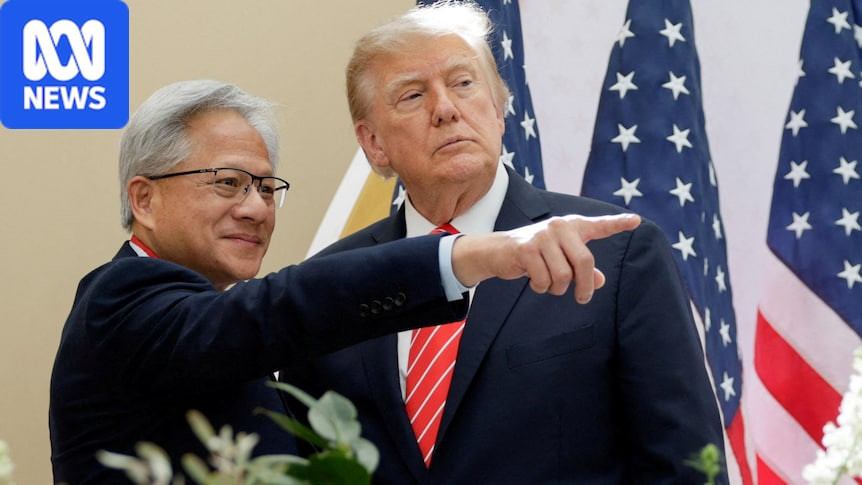
Nvidia CEO Resignation Sparks Concerns Over AI Leadership and Espionage
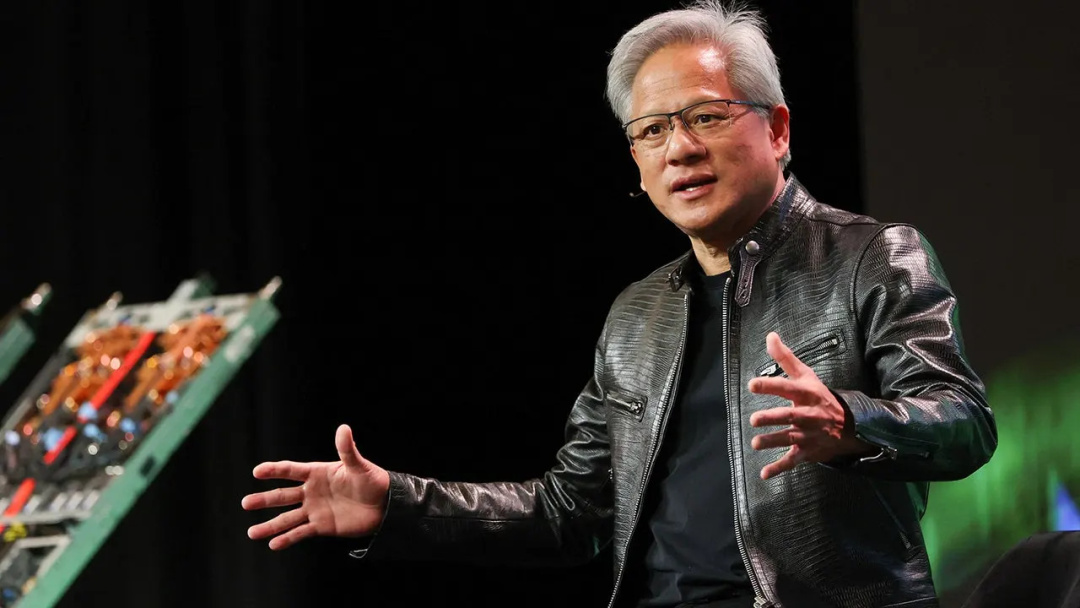
Nvidia CEO Jensen Huang has resigned effective immediately following allegations of involvement in a Chinese espionage scandal. This unexpected departure has sent shockwaves through the tech industry, particularly as Nvidia has been a leading player in the AI sector. Huang's exit is seen as a significant setback for the United States in the competitive AI landscape, where maintaining a technological edge over China is critical.
The implications of Huang's resignation extend beyond corporate leadership; they signal potential vulnerabilities in U.S. national security. As the AI race intensifies, Chinese President Xi Jinping is likely aware that any disruption in Nvidia's operations could hinder America's advancements in artificial intelligence, which are crucial for national and global security.
Nvidia has been a dominant force in the AI market, achieving a market capitalization milestone of over $5 trillion. Huang was widely regarded as a visionary leader, with peers in the industry praising his contributions to AI development. However, recent reports of chip smuggling have prompted investigations, raising questions about the company's future direction without Huang at the helm.
In light of these developments, experts emphasize the need for the U.S. to recognize the ongoing threat posed by Chinese espionage. Reports have highlighted China's attempts to infiltrate various sectors, including technology and defense, which underscores the importance of vigilance among American businesses and government entities.
Despite the challenges posed by Huang's resignation, Nvidia is not the only player in the AI market. Competitors such as AMD and tech giants like Google and Microsoft are increasingly developing their own AI solutions, which could mitigate the impact of Nvidia's leadership change. As these companies innovate and expand their capabilities, the landscape of the AI industry continues to evolve.
U.S. Investment Strategies in AI Development
Investment in AI startups and technology remains a crucial advantage for the U.S. Unlike China, where state funding drives innovation, the U.S. relies on private sector investment to fuel growth in the AI ecosystem. Huang's leadership was instrumental in securing financial backing for various initiatives, and his departure raises concerns about the continuity of support for emerging technologies.
The AI race is not solely a corporate competition; it is intertwined with national security and global influence. As the U.S. navigates this complex landscape, the ability to adapt and innovate will be paramount in maintaining its leadership position against China.
Final Assessment
The resignation of Jensen Huang marks a pivotal moment for Nvidia and the broader AI industry. As the company seeks to stabilize its leadership under interim CEO Colette Kress, the focus will be on maintaining momentum in innovation and investment. The U.S. must prioritize safeguarding its technological advancements while addressing the challenges posed by foreign espionage and competition.
In conclusion, the fallout from Huang's resignation will likely reverberate throughout the tech industry. The U.S. must remain vigilant in its efforts to counteract espionage threats while fostering an environment conducive to innovation and growth in the AI sector. The future of AI leadership in America hinges on the ability to adapt to these challenges and continue pushing the boundaries of technology.