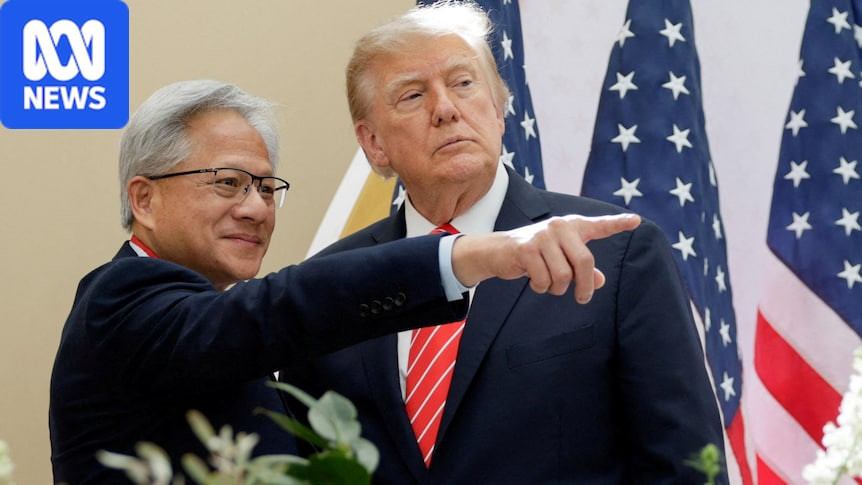
China Issues Warning to US Over Jensen Huang's Resignation from Nvidia

China has issued a stern warning to the United States following the resignation of Jensen Huang, the former CEO of Nvidia. The Chinese foreign ministry has urged the US to refrain from fabricating espionage narratives related to Huang's personal relationships, particularly his connection with Alice Huang, a former executive at a Singapore-based data center firm, who is suspected of espionage for China. This warning comes amid rising tensions between the two nations regarding technology exports.
Huang's resignation, which took effect on November 12, has sparked concerns about the future of Nvidia, a leading player in the semiconductor industry. His exit was announced just days after he admitted to an extramarital affair, which has raised eyebrows among US officials. The implications of his departure could lead to stricter export restrictions on critical technologies, further complicating the already fragile trade relationship between the US and China.
The Chinese government has reiterated its commitment to technological advancement through independent innovation and open cooperation. They have expressed a willingness to engage in constructive dialogue with the US, despite the ongoing tensions. The situation is particularly sensitive given the backdrop of the Asia-Pacific Economic Cooperation summit, where leaders from both countries are expected to meet.
Clearance Granted
Analysts have noted that the allegations surrounding Huang could provide ammunition for those in the US government advocating for tighter export controls on technology. The fallout from this scandal may also impact Nvidia's market position, as the company faces challenges in accessing the Chinese market, which is crucial for its AI development efforts.
As the situation unfolds, the ramifications of Huang's resignation and the associated espionage allegations will likely continue to influence US-China relations and the broader tech landscape. The potential for increased scrutiny on personal relationships within corporate leadership could reshape how companies navigate international business in the future.