Israeli Military Reports No Immediate Need for Action Against Iran
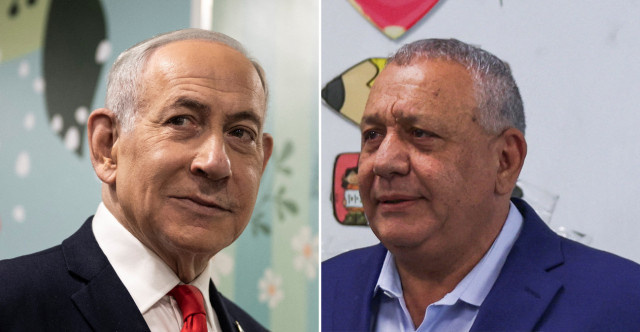
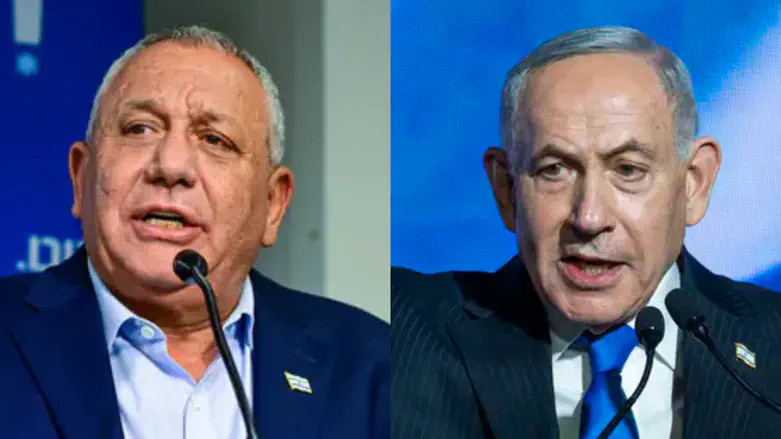
Israeli television networks reported varying assessments regarding the security briefing given by Prime Minister Benjamin Netanyahu to Gadi Eisenkot, the leader of the Yashar party. This meeting, which took place shortly after the two politicians convened, raised questions about the urgency of resuming military actions against Iran. A source familiar with the meeting's agenda indicated that Netanyahu aimed to persuade Eisenkot of the necessity to act against Iran soon. The source suggested that once Eisenkot received the full intelligence picture, he would better understand Netanyahu's motives and would likely align with the prime minister's perspective.
However, reports from the Israeli security establishment revealed that there were no developments in Iran that would justify an immediate military operation. Despite Netanyahu's repeated calls for military action before and after the recent elections, critics argue that his motivations are politically driven. According to Channel 13, the IDF's position during the briefing was that there was no pressing need for an attack on Iran at this time.
Major General Guy Markizano, Netanyahu's military secretary, was also present at the meeting. The assessments presented suggested that if U.S. President Donald Trump were to resume military strikes against Iran, Israel should consider participating in those operations. Additionally, Channel 13 reported that Israeli President Isaac Herzog had facilitated the meeting between Netanyahu and Eisenkot, although the presidency later denied any involvement.
The meeting occurred shortly after Eisenkot publicly accused Netanyahu of withholding a national security briefing and requested intervention from Attorney General Gali Baharav-Miara. Eisenkot cautioned that non-urgent military actions could have severe consequences for Israeli democracy, urging Netanyahu to avoid placing security officials in a position that could lead to a constitutional crisis.
Concerns Over Military Action Against Iran
Eisenkot's remarks, while not explicitly mentioning Iran, followed reports of Netanyahu's interest in military operations against Tehran, despite opposition from security agency heads. Similar concerns were raised ahead of the October 27 elections, where defense officials had also expressed their disapproval, fearing that military action could escalate tensions and disrupt the electoral process.
Cleared to File
Netanyahu's coalition lost its parliamentary majority in the recent elections, and President Herzog tasked Eisenkot with forming a new government after he received the most recommendations from parliament members. Despite this, Netanyahu remains the caretaker prime minister, retaining control over the government and security forces until a new administration is established.
In a separate report, Israel's public broadcaster Kan indicated that U.S. Central Command (CENTCOM) had warned IDF representatives in the U.S. to prepare for a potential resumption of conflict with Iran. The report also noted that Arab states in the Persian Gulf had been informed of the possibility of renewed military operations, with the message conveyed through security officials. However, Trump has downplayed the likelihood of returning to war recently, expressing indifference regarding the outcome of negotiations with Iran.