Two Convicted of Spying for Iranian Intelligence in the UK
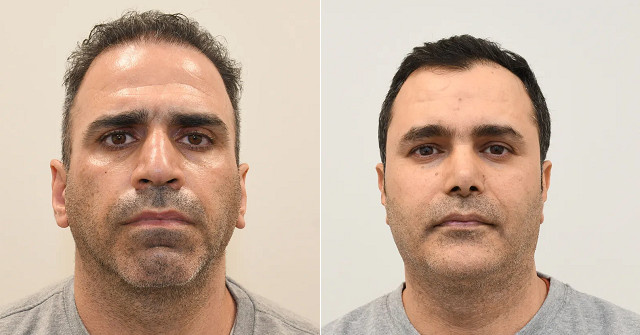
Mostafa Sepahvand, 41, and Farhad Javadi Manesh, 46, have been convicted of espionage and plotting an attack in the UK for Iranian intelligence. Their trial at Woolwich Crown Court revealed that both men, who entered the UK as asylum seekers, were involved in surveillance activities targeting journalists associated with Iran International, a Persian news outlet critical of the Iranian regime. The court heard that their reconnaissance efforts were intended to facilitate attacks against these individuals.
Sepahvand was reported to have been preparing for a violent attack and had communicated with his handler in Iran about completing a target in exchange for £150,000. He also sought to have his criminal record cleared in Iran as part of his arrangement. The prosecution described their actions as a calculated operation to undermine those critical of the Iranian government.
During the trial, Sepahvand attempted to claim that he was coerced into working for Iranian intelligence due to fear of repercussions. However, the court found his arguments unconvincing, especially given the evidence of his willingness to engage in violent acts. Manesh, on the other hand, claimed that he only photographed the Iran International offices because he found the building aesthetically pleasing.
Intelligence Reviewed
The case has drawn significant attention, particularly from political figures like Nigel Farage, who have raised alarms about the security implications of the UK's immigration policies. Farage has repeatedly warned that the country's open southern border poses a national security threat, allowing individuals with potentially harmful intentions to enter without adequate vetting. He emphasized that the situation is exacerbated by the high number of asylum seekers arriving in the UK.
As the trial concluded, the head of the Criminal Prosecution Service highlighted the serious nature of the defendants' actions and the potential for violence they represented. Sentencing for Sepahvand and Manesh is scheduled for December, as the UK grapples with the broader implications of border security and intelligence threats.