Nvidia CEO Jensen Huang Resigns Amid Espionage Allegations
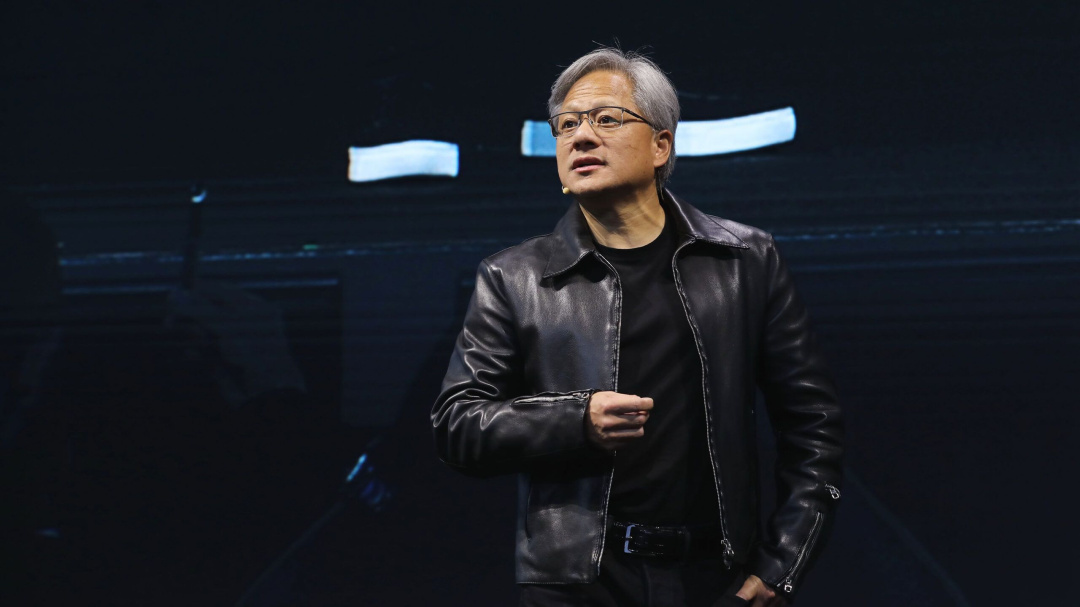
Jensen Huang has stepped down as president and CEO of Nvidia, a move that follows serious allegations regarding his personal conduct, including affairs with individuals linked to espionage. The company confirmed that Colette Kress, who currently serves as executive vice president and CFO, will take over as interim CEO until a permanent successor is appointed.
In a statement, Nvidia expressed gratitude for Huang's contributions, noting the profound impact he has had on the company and the technology sector at large. However, the news of his resignation has sent Nvidia's stock tumbling, with shares reportedly falling nearly 13 percent following the announcement.
The allegations surrounding Huang have drawn the attention of U.S. national intelligence officials, prompting an FBI investigation. Lawmakers have also called for Huang to testify regarding the claims, particularly in light of his previous lobbying efforts to ease restrictions on AI chip sales to China.
China Responds to Espionage Claims
China's Ministry of Foreign Affairs has dismissed the spying allegations as unfounded, asserting that they are an attempt to disrupt U.S.-China relations. Reports have surfaced detailing a second alleged affair involving Huang and Kimberly Powell, Nvidia's vice president of healthcare.
Final Brief
Nvidia has been a key player in the AI industry, with its chips powering a significant portion of the technology used in this field. Huang's departure is likely to lead to increased scrutiny of the company's operations and its relationships within the industry, especially given the cyclical nature of its investments in AI companies that subsequently purchase Nvidia's products.
As the situation develops, the implications for Nvidia and the broader tech landscape remain to be seen, particularly in light of the ongoing investigations and the potential impact on the company's strategic direction.