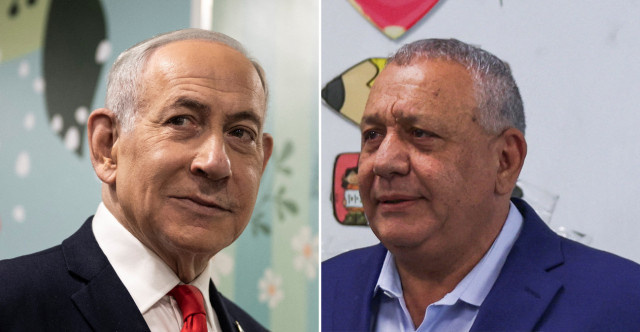
Netanyahu and Eisenkot Hold Diplomatic Security Meeting
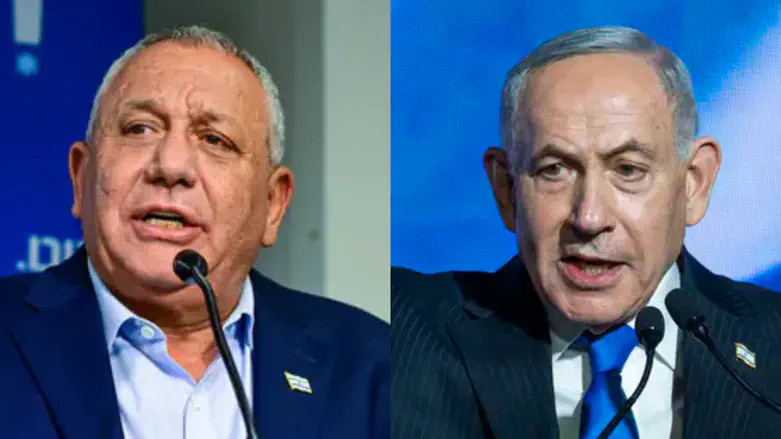
Israeli Prime Minister Benjamin Netanyahu and Yashar! Chairman Lt. Gen. (Res.) Gadi Eisenkot announced a meeting scheduled for Thursday at the Prime Minister's Office in Jerusalem. This diplomatic and security briefing will include the Prime Minister's Military Secretary, Maj. Gen. Guy Markizeno. The meeting follows reports that Netanyahu had previously rejected Eisenkot's request for a similar discussion.
On Wednesday, Netanyahu called for a unity government, indicating that significant developments are anticipated. Later that evening, Eisenkot sent a letter to Netanyahu, urging him to show restraint in making security and national decisions during the interim government. Eisenkot emphasized the importance of avoiding military actions that are not necessary to address immediate threats.
In his correspondence, Eisenkot reminded Netanyahu of his ongoing responsibility for national security and the operations of the Israel Defense Forces (IDF), despite his assertion that Netanyahu no longer holds the confidence of the Knesset. In response, Defense Minister Israel Katz rejected Eisenkot's demands, asserting that Israel's security remains a priority that does not depend on political transitions. Katz affirmed that there is one prime minister and one defense minister directing the IDF and making critical security decisions.
Earlier in the week, Eisenkot had also ordered the cancellation of a negotiation meeting between his party and the Likud negotiating team. This decision was made in light of Netanyahu's divisive speech and the perceived disrespect shown during the Knesset swearing-in ceremony, which Eisenkot felt undermined the dignity of state institutions under Netanyahu's leadership.
Political Tensions and Security Responsibilities
The upcoming meeting between Netanyahu and Eisenkot is crucial as it highlights the ongoing tensions within Israeli politics, particularly regarding national security. The dynamics of leadership and decision-making during this interim period are under scrutiny, with both leaders navigating complex political landscapes. The outcome of their discussions could have significant implications for Israel's security strategy and governance moving forward.
Final Assessment
As the meeting approaches, the political climate remains charged. The interactions between Netanyahu and Eisenkot will be closely monitored, as they may set the tone for future security policies and the functioning of the interim government. The emphasis on restraint and responsibility in security matters reflects the delicate balance of power and the urgent need for effective governance during this transitional phase.