xAI Installs 59 Natural Gas Turbines for Colossus 2 Data Center
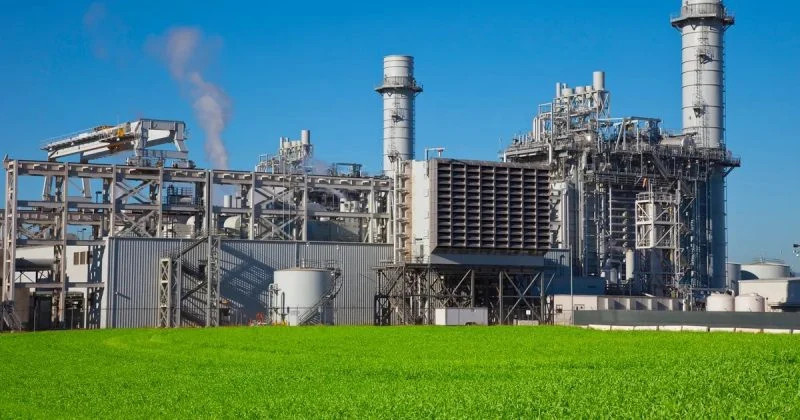
Elon Musk's xAI is making significant strides in the energy sector by installing 59 natural gas turbines in Southaven, Mississippi, to support its Colossus 2 data center located in Memphis, Tennessee. This facility, which began operations in late 2025, is poised to become one of the first gigawatt-scale AI data centers globally. The existing electrical grid in Memphis was unable to meet the facility's substantial energy demands, prompting xAI to establish its own power generation capabilities across the state line.
As of May 2026, xAI had successfully operationalized 46 turbines, generating up to 495 megawatts of electricity. The company initially started with 27 turbines and has plans to add 41 more permanent turbines to accommodate ongoing expansion.
However, xAI's operations have not been without controversy. On April 14, 2026, a coalition including the NAACP, Southern Environmental Law Center, and Earthjustice filed a lawsuit against the company under the Clean Air Act. The lawsuit claims that the turbines are emitting nitrogen oxides, soot, and formaldehyde without the necessary air quality permits, raising environmental concerns.
The situation escalated in June 2026 when the Department of Justice intervened, citing national security as the reason for its involvement. The DOJ's interest stems from the use of xAI's flagship AI model, Grok, in Department of Defense applications, which elevates the Colossus 2 facility's significance beyond a typical corporate project to one with military implications.
This intersection of AI and energy has broader implications for the crypto market, where both AI data centers and Bitcoin miners are competing for limited resources such as affordable electricity and favorable regulatory environments. The outcome of the legal battles could set important precedents for how large-scale computing operations, including crypto mining, navigate environmental regulations. If courts permit xAI to operate its turbines without the required permits under the guise of national security, it may reshape the regulatory landscape for energy-intensive operations. Conversely, a successful lawsuit could impose stricter regulations on similar projects attempting to bypass standard permitting processes.
The integration of Grok into defense workflows indicates that the U.S. government has a vested interest in ensuring the Colossus 2 facility remains operational. This government backing provides xAI with a competitive advantage that traditional crypto mining operations do not possess, highlighting the unique intersection of technology, energy, and national security in this evolving landscape.