Vance Explores Talks with Iranian Security Chief Amid Peace Negotiations
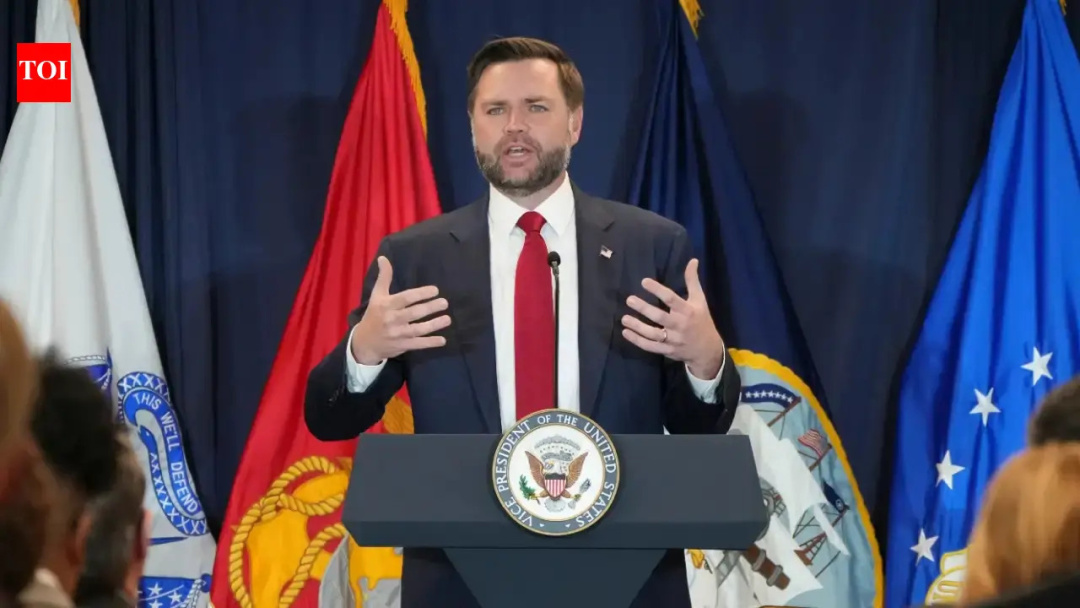
US Vice President JD Vance is reportedly contemplating face-to-face discussions with Mohsen Rezaei, the Secretary of Iran's Supreme National Security Council, as part of efforts to negotiate an end to ongoing conflicts. According to reports from The Wall Street Journal, Vance reached out to Rezaei in October to propose a meeting, although no specific date has been set yet. Currently, communication between the two parties continues through intermediaries and regional allies.
President Donald Trump has indicated to senior aides that he supports Vance's initiative to resume negotiations with Iran, granting him the authority to pursue these discussions. However, the talks are still in preliminary stages, and US officials have noted that Vance has taken a more active role in Iranian diplomacy compared to other special envoys involved in negotiations related to the Russia-Ukraine conflict.
Qatar has emerged as a potential venue for the next round of discussions, following a recent meeting between Vance and the Qatari Prime Minister. Despite these diplomatic efforts, significant hurdles remain. Iranian officials have expressed that they expect the US to lift its naval blockade, release frozen assets, and ease oil sanctions before any meaningful negotiations can take place. US Secretary of State Marco Rubio has characterized these demands as unrealistic but has stated that the US is open to diplomacy if Iran adjusts its position.
Cleared for Release
Mediators have suggested confidence-building measures, such as relocating US aircraft carriers and easing restrictions on Iranian ports, in exchange for Iran allowing oil tankers to pass through the Strait of Hormuz. However, skepticism persists regarding the feasibility of reaching a deal. Iranian diplomats remain wary of potential military actions by the US, while some regional mediators fear that hardline elements within Iran could undermine the negotiations.
As the Trump administration weighs its options, including whether to resume peace talks or maintain its current sanctions and naval blockade, Rubio has asserted that the economic pressure on Iran is effective, suggesting that there is no immediate need for military intervention. The situation remains fluid, with ongoing discussions about the best path forward for US-Iran relations.