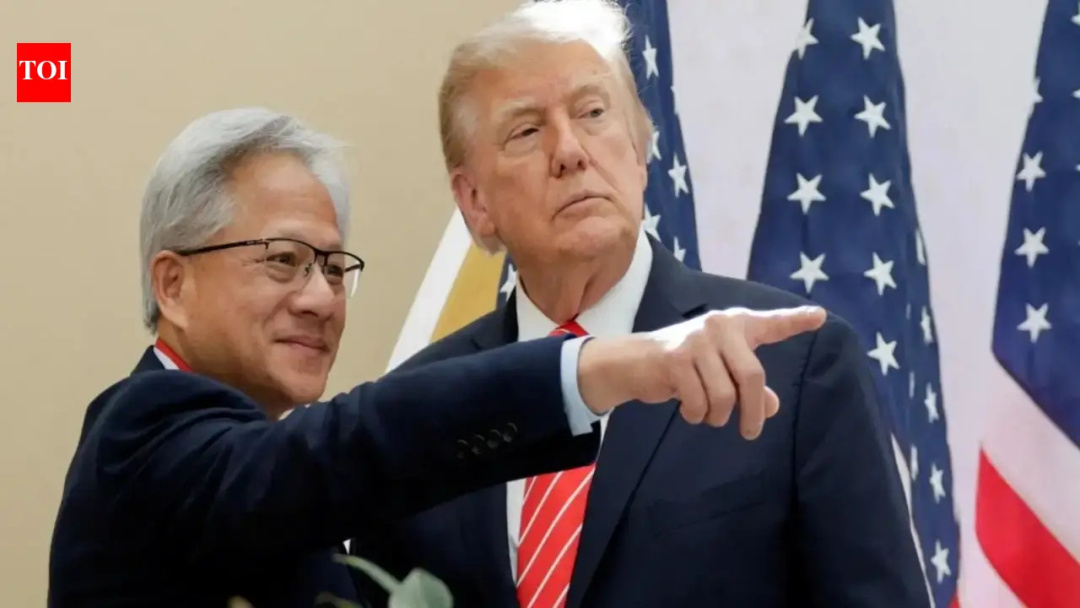
Trump's Relationship with Nvidia CEO Huang Under Scrutiny Amid Spy Allegations
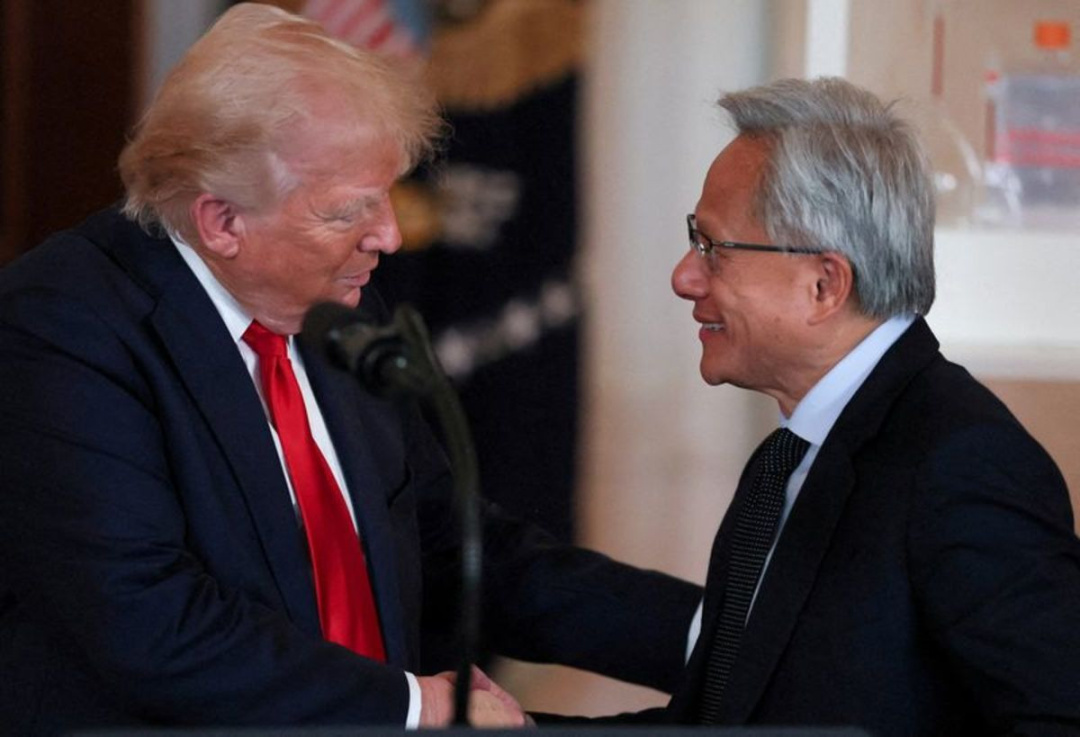
President Donald Trump's close relationship with Nvidia CEO Jensen Huang has come under renewed scrutiny after allegations surfaced regarding Huang's affair with a Chinese businesswoman believed to be a spy for Beijing. Trump expressed his astonishment at the revelations, which have emerged alongside an FBI investigation into Huang's activities.
Huang has been a significant ally for Trump in Silicon Valley, frequently voicing support for the administration's artificial intelligence agenda. Over the past two years, he has met with Trump numerous times as Nvidia sought to expand its market in China and advocated for relaxed restrictions on the export of advanced AI chips.
Lawmakers from both parties have called for a halt to the export of advanced AI technology to China, while Huang and the White House have argued that continued sales would keep Chinese customers dependent on U.S. technology. This ongoing debate highlights the tension between national security concerns and the interests of American technology firms.
A timeline of interactions between Trump and Huang reveals a series of meetings since Trump returned to the White House in January 2025. These include discussions about AI chip sales to China and Huang's participation in various high-profile events, such as a state visit to Britain and a U.S.-Saudi Arabia investment forum.
Huang's New Role and Ongoing Scrutiny
In late March, Huang was appointed to the President's Council of Advisors on Science and Technology, where he is expected to influence AI policy. However, the scrutiny surrounding his personal life has raised questions about his future role in the administration.
Cleared for Release
Following the public disclosure of the affair, Trump stated that Huang assured him he had no knowledge of the woman's alleged espionage ties. Trump expressed confidence in Huang's integrity and indicated that he believes the CEO's claims of ignorance regarding the situation.
As the investigation unfolds, the implications for Huang, Nvidia, and U.S.-China relations remain uncertain. The intersection of personal conduct and professional responsibilities in high-stakes environments like technology and politics continues to be a focal point of concern.