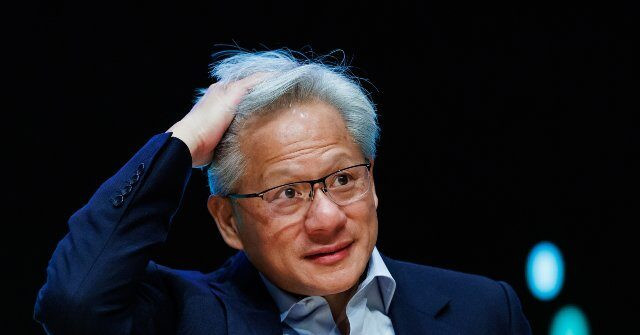
Nvidia Faces Leadership Crisis Over Espionage Allegations Against Huang

Nvidia is currently embroiled in a leadership crisis that has little to do with its core business of chip manufacturing. Reports indicate that the company's board is contemplating the removal of CEO Jensen Huang following serious allegations regarding his personal conduct. This situation escalated after The New York Times published claims about Huang's connections to Alice Huang, a former executive at Megaspeed, who is suspected by U.S. intelligence of being involved in espionage activities linked to China.
On November 8, 2026, Jensen Huang acknowledged in a memo to employees that he had been unfaithful to his wife, which has compounded the scrutiny surrounding him. The board's decision to initiate an independent investigation is focused on determining whether Huang has been a target of foreign intelligence operations. Leading this investigation is former acting U.S. Attorney Joon Kim, who has yet to find evidence suggesting that national security or corporate secrets were compromised.
The implications of the Megaspeed connection are significant, as the company purchased billions of dollars in Nvidia chips between March and November 2023. This relationship has transformed personal allegations into corporate concerns, prompting a swift reaction from investors. Following the news of the board's potential actions, Nvidia's shares dropped approximately 8% in after-hours trading, contributing to an estimated loss of around $600 billion in market value over the week.
Nvidia Faces Legal Backlash Amid Allegations
Legal challenges are also mounting for Nvidia, with a proposed shareholder class-action lawsuit alleging that the company has not adequately disclosed information regarding these incidents. Huang has publicly denied any espionage ties, and former President Donald Trump has expressed his support for him, stating he believes Huang's denial.
Final Assessment
Nvidia's unique position in the tech industry, particularly regarding U.S. export controls aimed at limiting China's access to advanced computing technologies, adds another layer of complexity to this situation. The ongoing investigation seeks to clarify whether any sensitive information was ever compromised.
As the situation unfolds, the immediate concern remains the uncertainty surrounding Nvidia's leadership. If the board proceeds with Huang's removal, the company may face a significant transition at a critical juncture for its AI business. Conversely, if Huang remains in his position, the ongoing investigation and legal pressures could continue to overshadow Nvidia's operations and reputation.