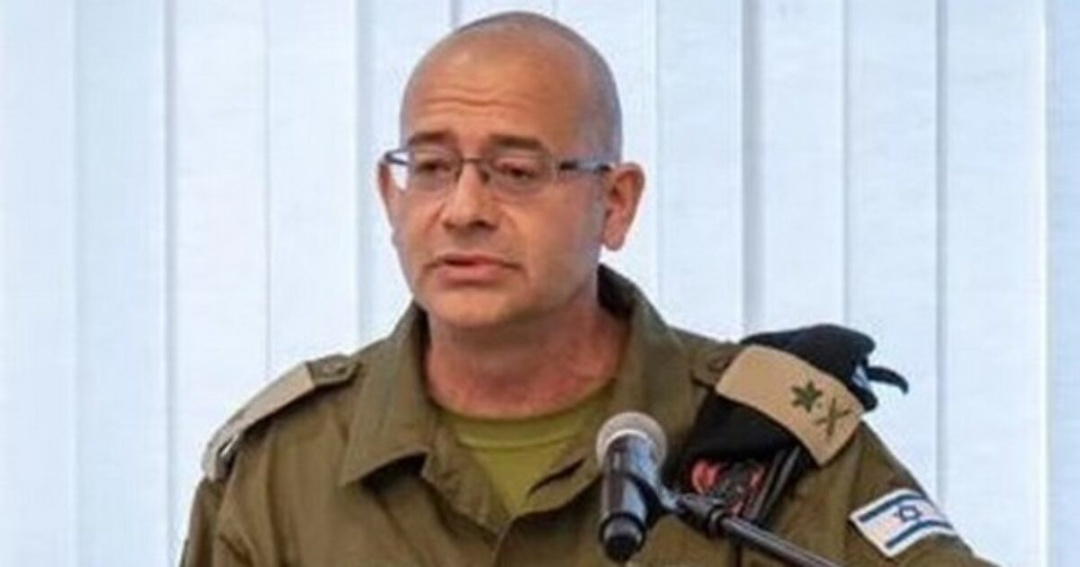
Former Mossad Chief Advocates Blockade of Strait of Hormuz
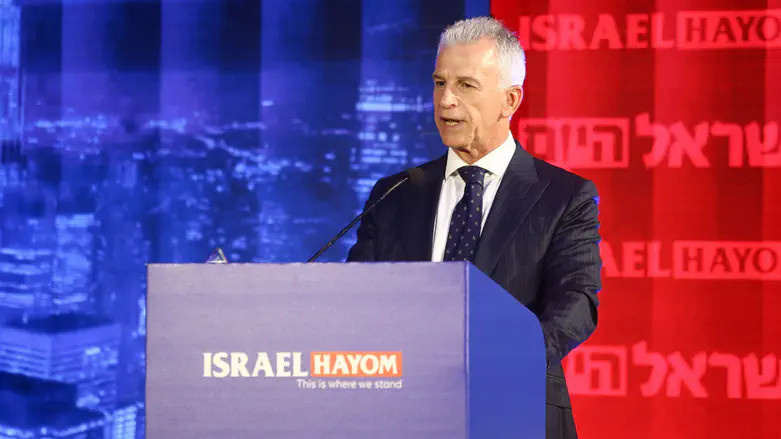
Former Mossad chief David Barnea has proposed a complete blockade of the Strait of Hormuz, coupled with ongoing economic sanctions, as a strategy to avoid another war with Iran. Speaking at the Israel Hayom conference in New York, Barnea emphasized that the Iranian regime is struggling with a crumbling economy and relies heavily on oil exports for revenue. He warned that Iran is actively working to rebuild its nuclear program, which poses a significant threat to regional stability.
Barnea questioned the effectiveness of past military interventions, stating, "After two wars in Iran, what options do we have?" He criticized the idea of negotiating with a regime that he described as a terrorist organization, arguing that any agreement would be perceived as a reward for its destructive ambitions. He expressed skepticism about the likelihood of reaching a deal that would ensure Iran's compliance with nuclear non-proliferation.
He suggested that increasing economic pressure through sanctions and a blockade could weaken the Iranian regime further. "This regime will struggle to survive with its crumbling economy and without revenue from oil exports," he stated. Barnea also highlighted the courage of the Iranian people, who he believes are ready to demand their freedom.
Final Assessment
While acknowledging that war could effectively topple the regime, he cautioned that it would have severe repercussions on the global economy and energy markets. He reiterated that the Iranian regime remains committed to its nuclear ambitions, regardless of international pressure. Barnea urged that as long as the regime exists, it will continue to pursue nuclear weapons as a means of asserting its power.
In his remarks, Barnea also expressed appreciation for U.S. President Donald Trump's leadership, noting that making difficult decisions often comes at a political cost. He commended Trump for prioritizing long-term global interests over short-term popularity, suggesting that such leadership is crucial in addressing the challenges posed by Iran.