Nvidia CEO Jensen Huang Faces Scrutiny After Infidelity Admission
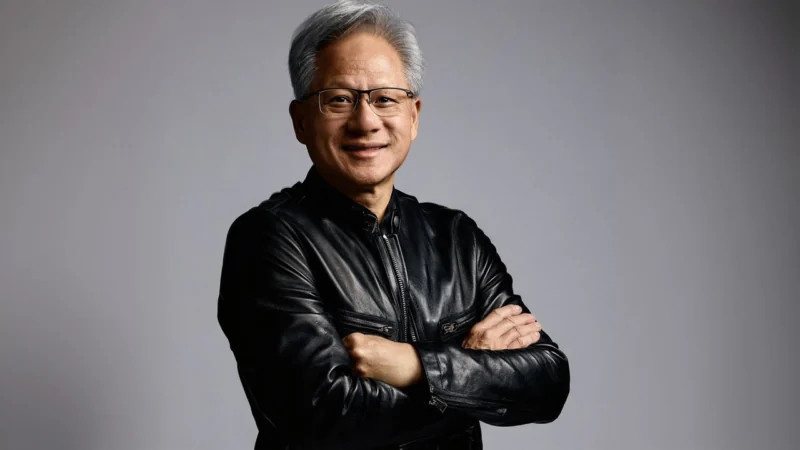
Jensen Huang, co-founder and CEO of Nvidia, has long been regarded as a stalwart figure in the tech industry. However, his recent admission of infidelity has sparked a wave of reactions from both investors and the public. On November 8, 2026, Huang publicly acknowledged his unfaithfulness in a statement, which was followed by a company-wide letter expressing his remorse and commitment to cooperate with an ongoing investigation.
The affair reportedly involved a Singapore-based executive associated with Megaspeed International, a connection that has raised alarms regarding national security. U.S. intelligence agencies have classified this executive as a potential Chinese intelligence asset, which could pose risks to sensitive AI chip technology. It is important to note that these allegations remain unverified, with no definitive conclusions drawn.
In response to the situation, Nvidia's board has launched an independent investigation led by outside counsel from Wachtell, Lipton, Rosen & Katz. The investigation aims to determine whether Huang was targeted by foreign intelligence and to evaluate any potential impacts on Nvidia's operations. Following Huang's admission, Nvidia's stock experienced a significant decline, losing over 10% of its value and erasing more than $470 billion in market capitalization.
Huang's personal financial stake in Nvidia also took a hit, with his net worth decreasing by more than $17 billion due to the stock plunge. The connection to Megaspeed International complicates matters further, as the company has purchased over $4.8 billion worth of Nvidia chips since mid-2024. This raises questions about the implications of foreign ties on Nvidia's business dealings, especially given the scrutiny surrounding the transfer of advanced AI technology to China.
Political Reactions to Huang's Admission
Political figures have also weighed in on the controversy. Former President Donald Trump publicly supported Huang, describing him as an "honorable guy" and suggesting that he should retain his position as CEO. Trump had been briefed on concerns related to Huang's affair a year prior to the public admission but did not take any action at that time.
Case Closed
As Nvidia navigates this challenging situation, the primary concern for shareholders is the continuity of leadership. While Huang has received backing from influential investors and political figures, the outcome of the board's investigation will ultimately determine his future at the company. If the investigation concludes that Huang was not compromised and no sensitive information was leaked, the incident may be viewed as a costly embarrassment. However, if the findings suggest otherwise, the focus will shift to corporate governance and potential regulatory implications.
The broader implications of this affair extend to Nvidia's business relationships, particularly with Chinese clients. The Megaspeed connection provides regulators with a renewed reason to scrutinize Nvidia's customer base and the destinations of its chips, further complicating the company's position in the global market.