Nvidia CEO's Affair Raises Concerns Over Espionage Risks
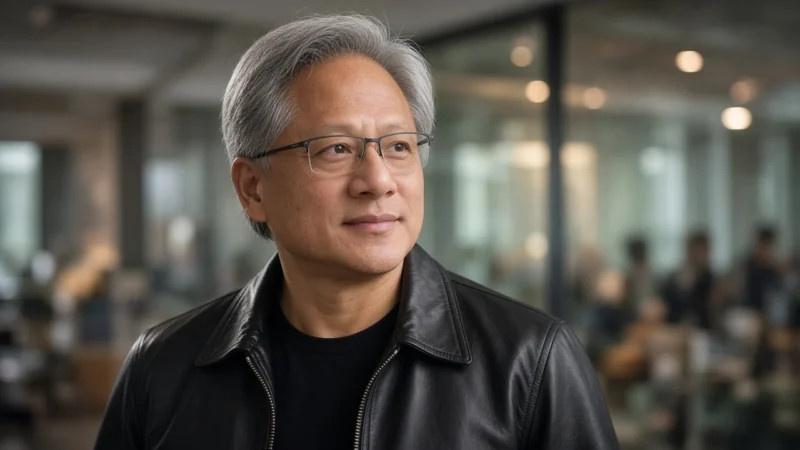
Jensen Huang, the CEO of Nvidia, has found himself at the center of a scandal that intertwines personal matters with national security concerns. On November 8, 2026, Huang publicly admitted to an extramarital affair with Alice Huang, a Chinese citizen and former executive of Megaspeed International, a company that has purchased over $4.8 billion in Nvidia chips over the past two years. U.S. intelligence officials suspect Alice Huang of having connections to China's Ministry of State Security, raising alarms about the potential for espionage.
The implications of this relationship extend beyond personal scandal, as it has triggered lawsuits and political pressure on Huang and Nvidia. The U.S. intelligence community has been investigating Alice Huang's ties to Chinese intelligence for at least a year prior to the affair's public disclosure. This timeline has led to concerns about whether sensitive information about Nvidia could have been compromised.
In response to the allegations, Nvidia's board has initiated an independent investigation to assess any potential breaches of national security. So far, the board has stated that there is no evidence that Nvidia's proprietary secrets were leaked. However, the fallout from the scandal has already impacted Nvidia's stock, with shares dropping more than 10% immediately following the news, resulting in a loss of over $470 billion in market value within two days.
Legal and Political Repercussions Unfold
The scandal has also prompted a class-action lawsuit against Huang, alleging that he failed to disclose risks associated with his relationship with Alice Huang. Lawmakers from both parties are calling for a federal investigation into the matter, and there are increasing demands for Huang's resignation. Given the central role of semiconductors in the ongoing AI boom, the situation has drawn significant attention from both investors and government officials.
Clearance Granted
As the investigation continues, the focus will likely remain on the relationship between Nvidia and Megaspeed International. The substantial financial ties between the two entities, coupled with the allegations of espionage, have raised questions about the security of corporate relationships in the tech industry. Analysts have noted a troubling trend of emotional and personal entrapment schemes targeting senior executives, with reports indicating a 60-70% increase in blackmail cases involving executives over the past two years.
The current findings from Nvidia's board indicate no compromised secrets, which could help frame the situation as a governance issue rather than a security breach. However, the uncertainty surrounding Huang's leadership and the potential for further legal and regulatory scrutiny poses a significant risk to Nvidia's stability in the market. As the situation develops, stakeholders will be closely monitoring the outcomes of the investigations and the broader implications for corporate governance in the tech sector.