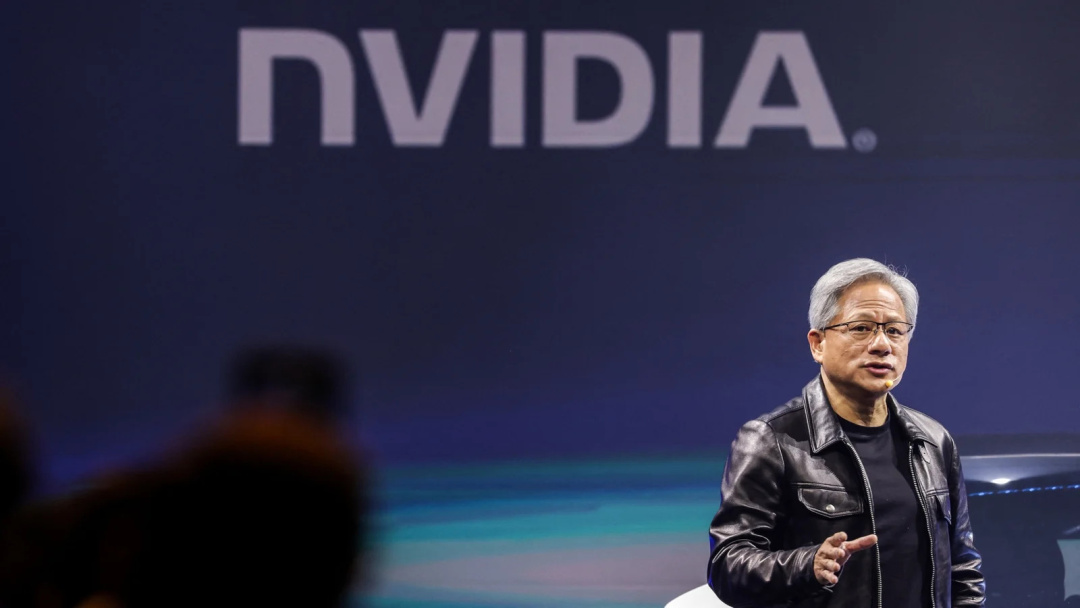
Espionage Allegations Against Nvidia CEO Raise National Security Concerns
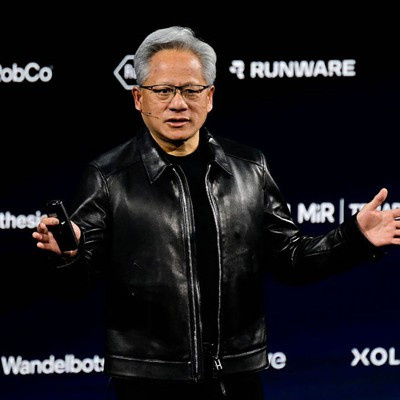
Allegations that Chinese intelligence targeted Nvidia's chief executive, Jensen Huang, are raising significant questions about the ability of American technology companies to safeguard themselves from foreign espionage. This situation has also sparked discussions about whether the U.S. government is doing enough to assist these firms in countering such threats.
Military investigative agencies have reported that they provide briefings to commercial AI firms, review research funding proposals for security risks, and share warnings with defense contractors. However, interviews with executives and current and former U.S. officials reveal that government counterintelligence assistance is often inconsistent and one-sided. This leaves businesses engaged in economic and national security work vulnerable to threats they may not be equipped to identify.
Some members of Congress are expected to examine counterintelligence risks facing the AI and tech industry in the coming year, according to a Capitol Hill aide who spoke on condition of anonymity. The scrutiny of the U.S. counterintelligence posture follows reports of Huang's relationship with Alice Huang, a business executive associated with Nvidia customer Megaspeed. U.S. intelligence agencies suspect that she may have gathered information for Beijing through this relationship.
The intelligence concerning this matter reportedly stems from intercepted communications between Huang and the Megaspeed executive. While U.S. spy agencies are prohibited from surveilling American citizens domestically, information about U.S. individuals can be disclosed through a process known as "unmasking" under specific national security exemptions.
Nvidia, a key player in the global tech landscape, has been instrumental in advancing AI technology and is at the forefront of the competition between the United States and China. The company is also heavily involved in infrastructure supporting quantum computing initiatives. Huang has acknowledged an affair and has committed to cooperating with an independent investigation initiated by Nvidia's board, which stated it has no reason to believe that national security or Nvidia's proprietary information was compromised. China has denied the espionage allegations.
The FBI is reportedly looking into the situation, with Republican leaders of the House intelligence, foreign affairs, and China committees requesting a closed-door briefing with Huang regarding the relationship and Nvidia's measures against foreign espionage. Representative Pat Harrigan, a member of the House Armed Services Committee, emphasized the importance of keeping lawmakers informed about such issues, expressing concern over the potential complacency regarding adversarial threats.
Harrigan criticized Huang's approach to chip sales to China, arguing that the allegations validate his long-standing concerns about the company's perspective on U.S. export restrictions. He questioned the rationale behind sharing advanced technology with the Chinese Communist Party, stating that it is illogical.
Counterintelligence work, which involves identifying and preventing foreign spies from stealing sensitive information, is among the most challenging aspects of espionage, according to a current U.S. official. Intelligence agencies may approach targets through various intermediaries, complicating the task of identifying those responsible for targeting senior executives.
It is believed that multiple individuals may have targeted Huang, and further revelations about these dynamics are anticipated. The official noted that intelligence agencies are likely to increase briefings for corporate leaders on specific threats and assist them in establishing training for employees who may be at risk of espionage.
When the CEO of a major company is linked to a counterintelligence investigation due to personal relationships, it raises alarms for boards across America. Andy Challenger, chief revenue officer at an executive coaching firm, remarked that this situation transcends mere personal matters, impacting national security, shareholder trust, and the reliability of leadership in protecting corporate interests.
A former CIA analyst with expertise in technology security and trade issues highlighted a broader corporate culture that often undervalues security, particularly in Silicon Valley. They argued that expecting executives to independently recognize potential threats is unrealistic, suggesting that security and counterintelligence teams must proactively identify suspicious approaches and establish safeguards before vulnerabilities are exploited.
Rising Threats to Corporate Security
An executive from a venture capital firm investing in national security companies reported numerous anomalous attempts by individuals seeking access to corporate secrets over the past year. These attempts often involve applicants flagged as unusual, with suspicions of North Korean operatives among them. Some individuals passed background checks and were hired before raising concerns about their behavior, leading companies to revoke their access.
Precautions taken by portfolio companies include avoiding travel with work devices, steering clear of certain foreign-made equipment in meetings, and being cautious about revealing sensitive information in photographs. Although the firm has established relationships with government agencies, they expressed a desire for clearer communication channels for addressing concerns.
In a separate case, prosecutors recently accused a Saudi OpenAI engineer of planting a recording device in an executive conference room to capture discussions about research and product plans. Another technology executive familiar with U.S. counterintelligence strategies noted that while government officials are generally responsive when companies reach out, proactive outreach is lacking.
The increasing aggressiveness of threat actors in the tech sector has raised alarms. A second executive indicated that while basic counterintelligence training is provided, a more robust standard has yet to be established, leaving corporations to navigate these threats largely on their own.
Austin Gray, co-founder of a company developing autonomous ships, described receiving basic counterintelligence training from local law enforcement and the Naval Criminal Investigative Service. He emphasized that while this partnership exists, the primary responsibility for addressing day-to-day threats lies with the companies themselves. He called for more advanced support from the government to understand and defend against sophisticated threats.
Concerns have been raised about the FBI's capacity to provide adequate support, particularly following personnel reductions in its counterintelligence division. The FBI declined to comment on its counterintelligence posture, directing inquiries to a webpage outlining its efforts to protect emerging technologies.
Military investigative agencies have described their ongoing efforts to engage with companies before their technologies are integrated into defense systems. The Air Force Office of Special Investigations has briefed executives and security teams at commercial AI and quantum firms, including those not cleared for classified information. However, there are limitations to the assistance provided, as the agency does not conduct personnel vetting for companies' insider-threat programs.
The Navy's NCIS has stated that its work is independent of specific private-sector incidents, focusing on helping contractors detect foreign intelligence activities. The Army Counterintelligence Command's Security Vetting Office reviews all research grant proposals to prevent compromises early in the development process.
Case Closed
A Defense Department official defended the government's approach to supporting the AI industry, emphasizing the need for collaboration between the public and private sectors to protect American innovation from foreign exploitation. However, the former CIA analyst stressed that effective counterintelligence requires company leaders to accept scrutiny of their own actions and relationships.
Senator Ben Ray Luján, a member of the Senate Commerce Committee, stated that it is crucial for Huang to provide a complete account of his interactions to enable the U.S. to respond appropriately. He urged those in positions of power to exercise caution and transparency in their dealings.