Harry S. Truman's Atomic Bomb Decision and National Security Policies
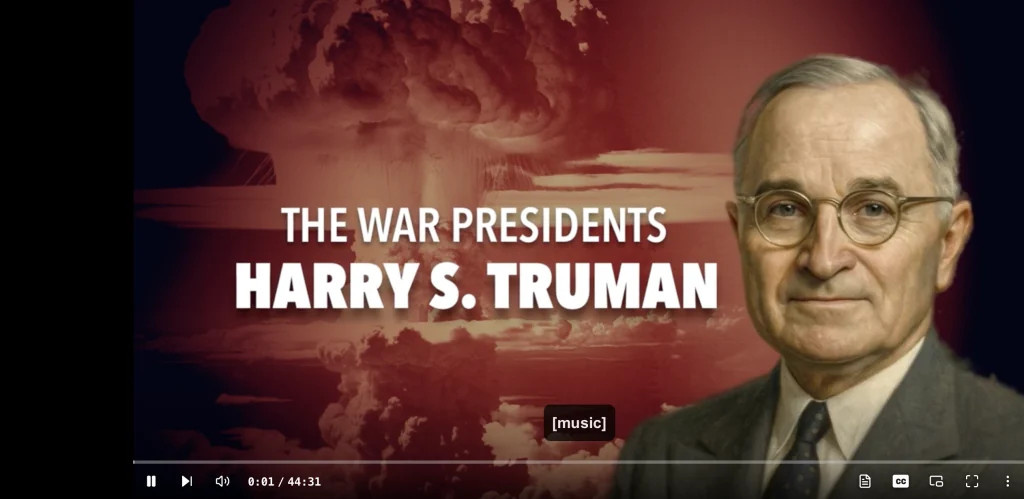
President Harry S. Truman made the controversial decision to drop atomic bombs on the Japanese cities of Hiroshima and Nagasaki during World War II, which resulted in significant civilian casualties and marked a pivotal moment in military history. Truman, who had been vice president for less than three months when he assumed the presidency after Franklin Roosevelt's death, was informed of the atomic bomb's existence only after taking office. The Manhattan Project, which developed the bomb, was kept highly classified, and Truman was initially unaware of its implications.
In May 1945, as the war in Europe concluded, the United States was poised to end its conflict with Japan. Despite Japan's attempts to negotiate a conditional surrender, these efforts were largely hidden from the American public due to wartime censorship. Truman's administration, however, was aware of Japan's willingness to surrender under certain conditions, which included the preservation of the Emperor's position.
On August 6, 1945, the U.S. dropped the atomic bomb on Hiroshima, resulting in an estimated 90,000 to 146,000 deaths. Three days later, a second bomb was dropped on Nagasaki, killing between 39,000 and 80,000 people. Truman justified these actions by claiming they were necessary to expedite Japan's surrender and save lives, arguing that the bomb represented a new level of military power.
However, many military leaders and scientists involved in the Manhattan Project expressed their opposition to the bomb's use. General Dwight D. Eisenhower, for instance, believed that Japan was already on the verge of surrender and that the bomb was unnecessary. Others, like Admiral William Leahy, criticized the decision as barbaric, arguing that Japan was already defeated through conventional warfare and blockade.
Moral Consequences of the Atomic Decision
The aftermath of the bombings led to Japan's surrender on August 15, 1945, but the moral implications of using atomic weapons haunted Truman throughout his presidency. He often provided conflicting reasons for his decision, oscillating between justifications rooted in military necessity and expressions of personal regret.
Final Brief
Following the war, Truman's policies laid the groundwork for the national security state that emerged during the Cold War. The Truman Doctrine, announced in 1947, committed the U.S. to supporting countries resisting communism, while the Marshall Plan aimed to rebuild war-torn Europe and contain Soviet influence. The establishment of the Central Intelligence Agency (CIA) further solidified the U.S. approach to foreign policy, emphasizing covert operations and intelligence gathering.
As the Cold War progressed, the national security state expanded, often prioritizing military and intelligence operations over democratic processes. This shift reflected a broader trend of viewing global conflicts through the lens of national security, with significant implications for U.S. foreign policy and domestic governance. The legacy of Truman's decisions continues to influence contemporary discussions about military intervention and national security.