Austria Proposes Stricter Espionage Laws for International Organizations
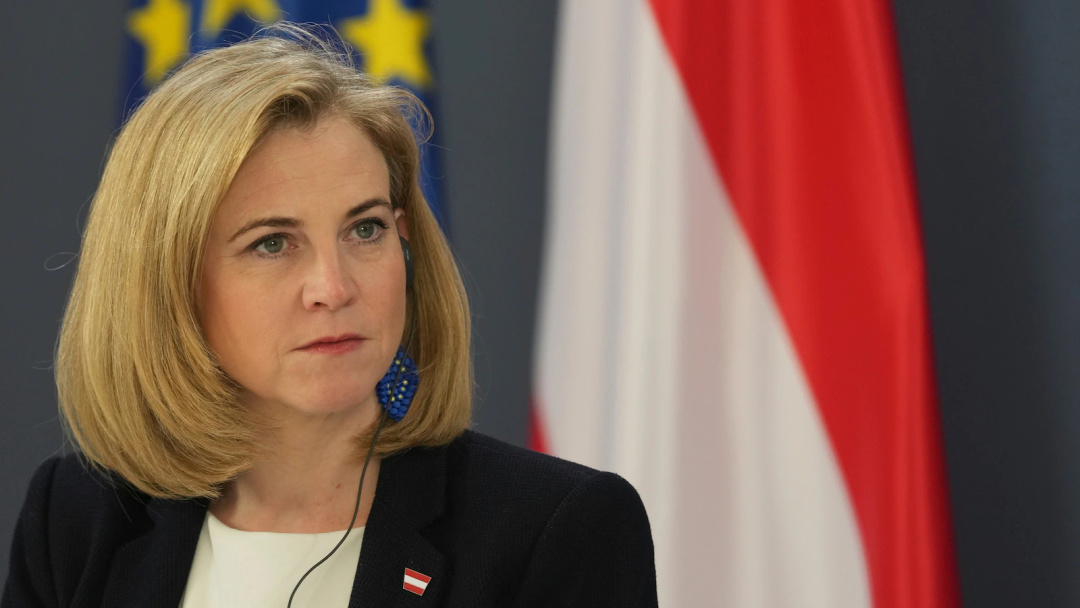
Austria's government has initiated plans to enhance its espionage laws, which currently only prohibit spying directed against Austria. The proposed changes aim to address the growing concerns about espionage activities targeting other countries and international organizations, particularly given Austria's role as a host for numerous global entities.
Vienna, the capital of Austria, is home to several United Nations agencies, including the International Atomic Energy Agency, as well as other international organizations such as the Organization for Security and Cooperation in Europe and OPEC. Foreign Minister Beate Meinl-Reisinger emphasized the importance of these reforms, stating that espionage poses a significant threat to national security and the country's reputation as a diplomatic hub.
Meinl-Reisinger acknowledged Austria's historical reputation as a "capital of espionage," a label that has persisted since the Cold War. She expressed a desire to move beyond any romantic notions associated with spying, highlighting the need to confront current hybrid threats, which encompass non-traditional hostile actions like cyberattacks and disinformation campaigns.
Proposed Changes to Espionage Penalties
Under the existing criminal code, individuals who establish or operate a secret intelligence service detrimental to Austria can face up to five years in prison. The proposed legislation seeks to increase the maximum penalty for espionage against Austria to ten years and explicitly criminalize spying against international organizations and the EU, with a maximum sentence of five years.
Clearance Granted
Additionally, the new laws will prohibit the recruitment of agents and being recruited as an agent, particularly targeting the practice of using "throwaway agents"—individuals engaged in low-level espionage without full awareness of their involvement.
The previous government had announced similar plans in 2024, but legislative progress stalled due to political disagreements. Meinl-Reisinger noted that since her appointment in March 2025, Austria has denied entry visas to diplomats in 63 cases and expelled eight Russian diplomats, reflecting a proactive stance against espionage activities.