Senate Hearing on Jay Clayton's Nomination Complicated by Subpoenas
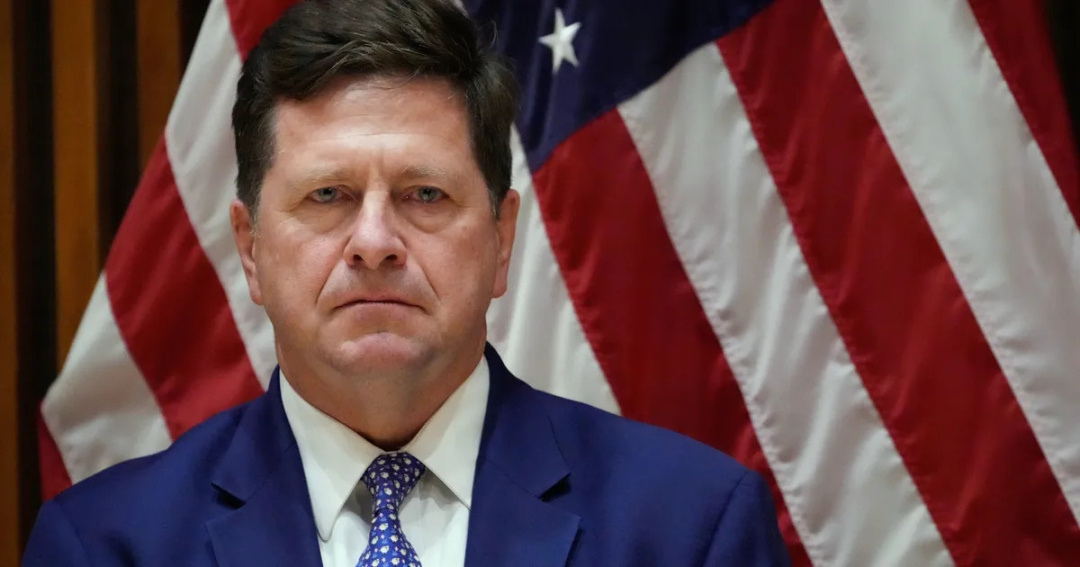
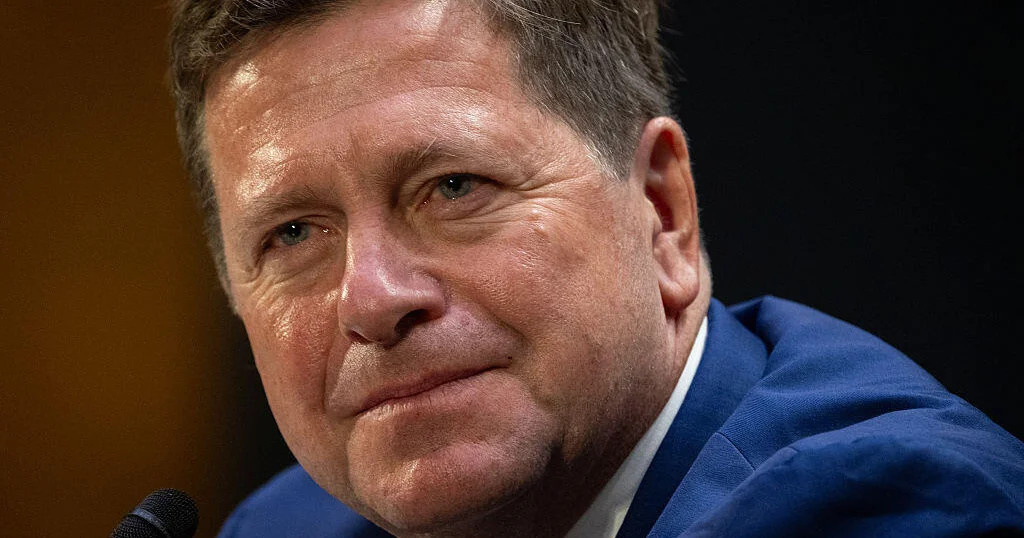
Jay Clayton's nomination as director of national intelligence has become contentious due to recent subpoenas he authorized against New York Times reporters. These subpoenas were reportedly issued at the behest of the White House, following a report that President Trump found embarrassing regarding the new Air Force One jet. Critics, including progressive organizations like Demand Progress, argue that Clayton's actions indicate a troubling readiness to use his prosecutorial powers to retaliate against the press, which they believe disqualifies him for the intelligence role.
As the U.S. attorney for the Southern District of New York, Clayton's decision to pursue these subpoenas has drawn ire from various quarters, including some Republican senators who have expressed frustration with Trump's approach to governance. The Senate Intelligence Committee is scheduled to hold a hearing on Clayton's nomination, where he is expected to face rigorous questioning about his qualifications and his stance on press independence.
Clayton's nomination was initially met with relief among some senators due to his legal background, especially in contrast to Bill Pulte, the acting director of national intelligence, who lacks significant national security experience. However, the recent developments have shifted the focus back to Clayton's potential alignment with the administration's controversial tactics.
Progressive groups are particularly concerned about the implications of confirming someone who may prioritize the president's interests over the independence of the intelligence community. They have urged Democratic senators, especially Mark Warner, to reconsider their support for Clayton, emphasizing that rewarding someone who appears to be complicit in undermining press freedoms could have dire consequences for the integrity of national security oversight. A spokesperson for Warner indicated that Clayton would face a thorough examination during the confirmation process, highlighting the importance of his responses to questions about his judgment and commitment to the intelligence community's independence.