Japan Weighs Nuclear Weapons Exception for National Emergencies
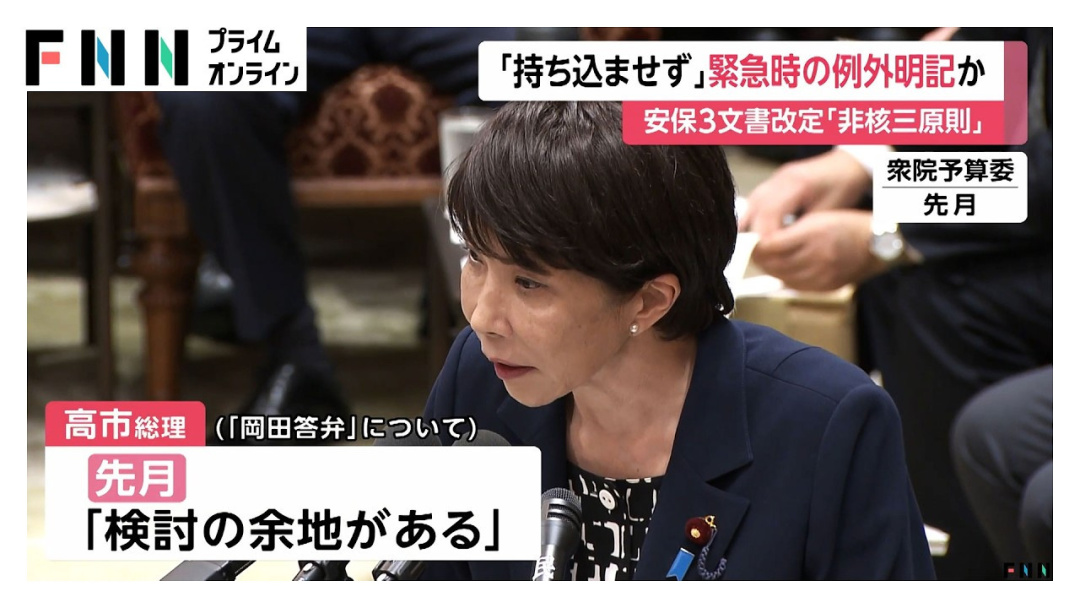
The Japanese government is currently evaluating the possibility of formally allowing exceptions to its long-standing prohibition against the introduction of nuclear weapons into the country during national emergencies. This consideration is part of a broader revision of three key national security documents, which are expected to be finalized by the end of 2026.
This proposed adjustment would impact one of Japan's Three Non-Nuclear Principles, which explicitly prohibit the possession, production, or introduction of nuclear arms into Japanese territory. The discussion surrounding this issue was previously raised in 2010 during the Democratic Party administration, when then-Foreign Minister Katsuya Okada indicated that an exceptional decision might be necessary in the event of a national security crisis.
Okada articulated that if circumstances arose where Japan's security could not be ensured without permitting a temporary port call by a U.S. warship carrying nuclear weapons, the government would need to make a critical decision that could affect its political future. He emphasized the importance of explaining such a decision to the public.
Prime Minister Sanae Takaichi referenced Okada's statement during parliamentary discussions in October, suggesting that there is "room for consideration" regarding the previously established position. The government is now exploring whether to explicitly include such an emergency exception in the revised national security documents while still formally upholding the Three Non-Nuclear Principles.
Deliberations on Emergency Nuclear Policy
A final decision on this matter will be made after thorough discussions within the ruling parties and consultations with security experts. This proposed clarification aims to create a framework for making exceptional decisions during emergencies without formally abandoning Japan's long-standing non-nuclear policy.
Final Assessment
The potential revision of Japan's nuclear policy reflects a significant shift in the country's approach to national security, particularly in light of evolving geopolitical threats. As Japan reassesses its defense strategies, the implications of allowing nuclear weapons under specific circumstances could reshape its security landscape and influence regional stability.
The discussions surrounding this policy change highlight the delicate balance Japan seeks to maintain between its non-nuclear commitments and the need to respond to emerging security challenges. As the government moves forward with these considerations, the outcomes will be closely monitored both domestically and internationally, given the sensitive nature of nuclear policy in the region.