Navy Veteran Claims CIA Censorship Over Spy Memoir
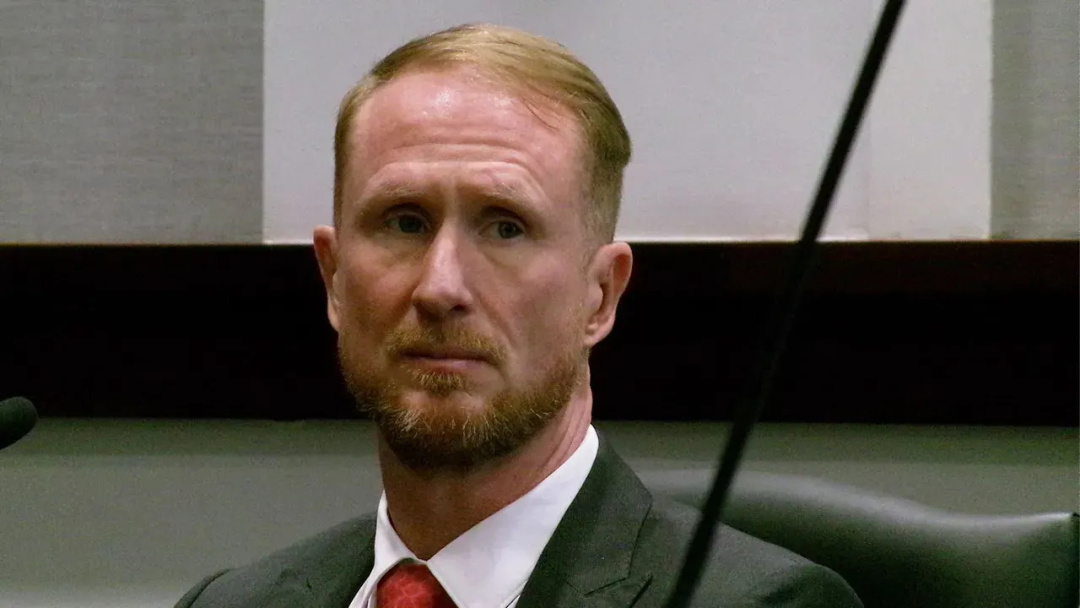
Zachary Young, a U.S. Navy veteran, is speaking out after winning a defamation lawsuit against CNN. He accuses the Central Intelligence Agency (CIA) of attempting to censor his memoir, "American Spy," by ordering him to delete the manuscript. Young, who is CIA-trained, previously alleged that CNN defamed him by suggesting he profited illegally while assisting people fleeing Afghanistan during the U.S. military withdrawal in 2021. In court, he detailed his training in covert operations, which he believes should not be classified information.
After submitting his manuscript for prepublication review, Young received a letter from the CIA Author Review Office stating that the manuscript could not be published as it contained sensitive information. The letter instructed him to delete all copies of the manuscript, including electronic versions, and to destroy any hard copies. Young expressed frustration, stating that he had kept national secrets for years and that the CIA's request felt more like censorship than a matter of national security. He emphasized that the agency had previously confirmed his employment to CNN, raising questions about their objections to his book.
Young's memoir, co-authored with Scott McEwen, is expected to recount his experiences working undercover in hostile environments. Despite the CIA's rejection, Young remains determined to publish his story, which he believes is important for the public to understand. He noted that the CIA has not provided specific reasons for their objections or identified any classified passages in his manuscript.
In 2025, a jury awarded Young $4 million in lost earnings and $1 million for personal damages after finding CNN liable for defamation. The jury foreman indicated that they were prepared to award significantly more in punitive damages, but a settlement was reached before that decision was finalized. CNN has stated that it will learn from the case while maintaining its commitment to fair reporting. Young's case raises significant questions about the balance between national security and freedom of expression.