Controversial Claims Against Prime Minister Harini Amarasuriya
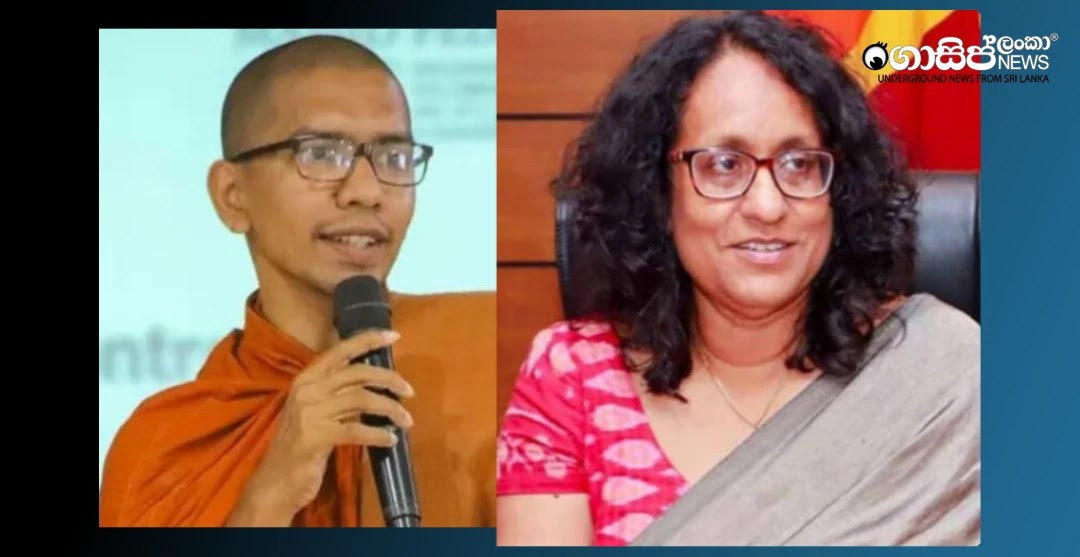
Balangoda Kassapa Thero has made serious allegations against Prime Minister Harini Amarasuriya, claiming she is affiliated with the Indian intelligence agency and that her administration is advancing India's political agenda in Sri Lanka. He expressed his willingness to sacrifice his life or face imprisonment in opposition to what he perceives as an Indian invasion.
Kassapa Thero, leading a group of Buddhist monks engaged in a continuous Satyagraha in Anuradhapura, voiced these concerns while addressing the media. He criticized the Prime Minister, who represents the National People's Power and the Janatha Vimukthi Peramuna, for allegedly promoting India's political objectives and questioned her capability to lead the country due to her personal circumstances.
He further labeled the current President, Anura Kumara Dissanayake, as an India-friendly puppet ruler, accusing the administration of executing a plan to exploit Sri Lanka's cultural heritage at the behest of Indian Prime Minister Narendra Modi. Kassapa Thero claimed he could detail the cultural erosion outlined in a gazette notification regarding the Anuradhapura Sacred City.
Kassapa Thero urged all monks and nuns to unite against any threats to Anuradhapura and challenged those who oppose his stance to engage in a public debate. He emphasized that he does not oppose government actions without valid reasons, drawing historical parallels to past acts of defiance against colonial powers.
Kassapa Thero's Call to Defend Anuradhapura
He reiterated his readiness to confront any potential invasion from India, asserting that he would be the first to fight back and that his struggle would ultimately lead to victory.
Final Assessment
The accusations made by Kassapa Thero reflect broader tensions within Sri Lankan politics, particularly regarding the influence of foreign powers. His statements have sparked discussions about national sovereignty and the preservation of cultural identity in the face of external pressures. As the situation unfolds, the implications of these claims on the political landscape in Sri Lanka remain to be seen.
The ongoing protests and the serious nature of the allegations against Prime Minister Amarasuriya highlight the contentious political climate in Sri Lanka. As the government navigates these challenges, the response from both the public and political entities will be crucial in shaping the future of the nation.