U.S. Labels Nicaragua an Extraordinary Threat Amid Ongoing Tensions
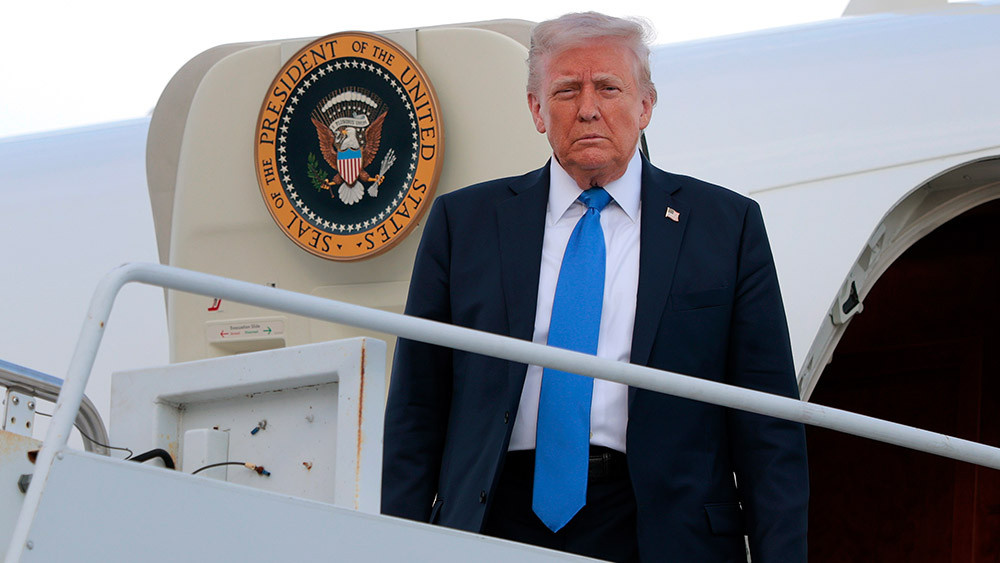
The United States has labeled Nicaragua as an "unusual and extraordinary threat" to its national security, a designation that has persisted since 2018. This classification, initiated by former President Donald Trump, has raised eyebrows given the stark contrast in military spending between the two nations—Nicaragua allocates approximately $116 million annually, while the U.S. spends around $954 billion. Critics, including authors Perry and Harris, argue that this label reflects paranoia and a desire to control Nicaragua's political future rather than an actual security threat.
The grievances cited by the U.S. government include the violent suppression of protests that erupted in April 2018, the dismantling of democratic institutions, and widespread corruption. However, Perry and Harris contend that the unrest was largely a result of a U.S.-backed coup attempt, which led to significant casualties and economic damage. They assert that the emergency declaration punishes a government for defending its citizens against external pressures.
The legal framework for this designation is nearly automatic, requiring annual renewal under the National Emergencies Act. President Joe Biden continued this designation in November 2024, reaffirming the characterization of Nicaragua as a threat. This ongoing emergency status has historical roots, echoing past U.S. interventions in Nicaragua, particularly during the Reagan administration when a trade embargo was imposed amid the Contra war.
In recent years, Nicaragua has demonstrated economic resilience, achieving the fastest growth in the region in 2025 and reducing poverty levels significantly. This progress has been met with increased sanctions and restrictions from the U.S., including cuts to access to international loans and tariffs that disproportionately affect Nicaragua compared to its neighbors. Critics argue that these actions are attempts to undermine the Nicaraguan government and its ability to improve the lives of its citizens.
U.S. Sanctions Target Nicaraguan Officials
The U.S. has also targeted individuals within the Nicaraguan government with sanctions, citing human rights violations and corruption. Reports indicate that political prisoners remain a pressing issue, with calls for international support for those opposing the current regime. As tensions continue, the U.S. has sought to rally regional allies to increase pressure on Nicaragua, suggesting that the situation is far from resolved.
Cleared to File
Despite the challenges posed by U.S. sanctions and the ongoing threat designation, Nicaragua has managed to maintain a degree of economic stability. The country has seen improvements in its credit rating and has low public debt, which stands in stark contrast to the narrative of a failing state. This resilience is viewed by some as a direct challenge to U.S. influence in the region, prompting further scrutiny and intervention from Washington.
As the situation evolves, the implications of the U.S. designation and its historical context will continue to shape Nicaragua's political landscape. The ongoing emergency status raises questions about the legitimacy of U.S. foreign policy and its impact on the sovereignty of nations in the region. The narrative surrounding Nicaragua serves as a reminder of the complexities involved in international relations and the often contentious nature of U.S. interventions abroad.