Iran Exports $6 Billion in Oil Using Crypto Amid US Sanctions
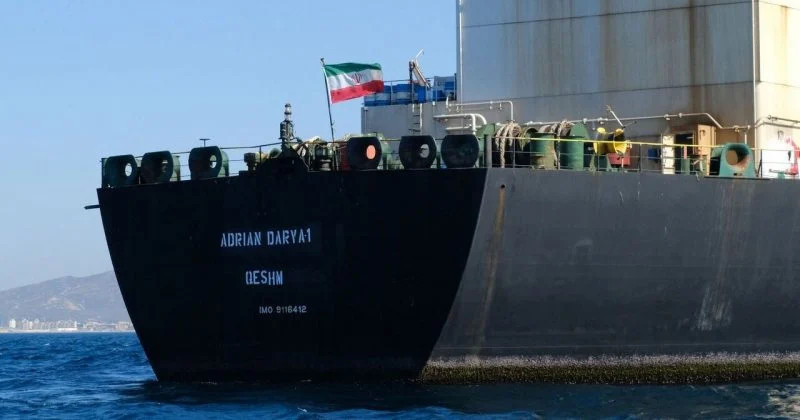
Iran has managed to export over 80 million barrels of oil and refined products worth around $6 billion during a brief period before the US reinstated its naval blockade. This blockade, which began on April 13, 2026, aims to restrict Iran's ability to monetize its energy resources through the crucial Strait of Hormuz, a passageway for about 20% of the world's oil supply. To navigate these restrictions, Iran has been charging oil tankers $1 per barrel in Bitcoin, stablecoins, or yuan for safe passage through the Strait since at least April 2026.
In addition to these transactions, Iran's Bitcoin mining operations have played a significant role in its strategy. The country has been converting surplus energy into digital assets, with mining activities contributing the equivalent of roughly 10 million barrels per year in energy exports.
On June 2, 2026, the US Department of the Treasury's Office of Foreign Assets Control (OFAC) imposed sanctions on Nobitex and three other Iranian digital asset exchanges for their involvement in supporting the Islamic Revolutionary Guard Corps and Iran's central bank in evading sanctions. Nobitex was particularly notable, handling over 50% of Iran's digital asset inflows in 2025, thus serving as a critical component of Iran's crypto-based financial strategies.
This situation raises concerns about the exposure of other exchanges to Iranian transactions. With Nobitex managing a significant portion of the country's crypto inflows, regulators may question which other platforms were involved, potentially leading to increased scrutiny and compliance challenges for those with any indirect ties to Iranian transactions.