Trump Defends Jensen Huang Amid Espionage Allegations
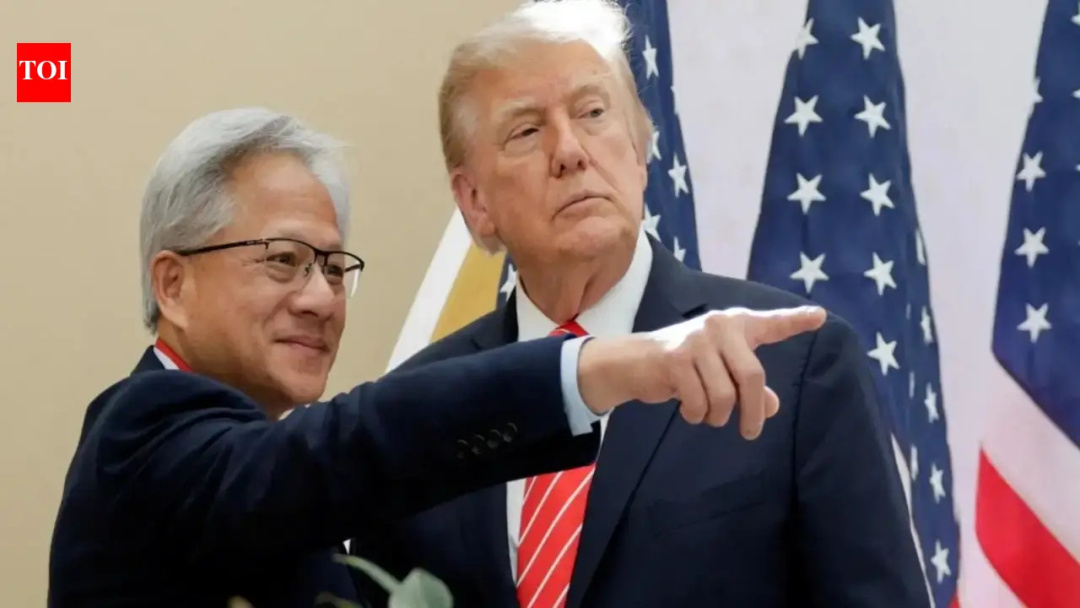
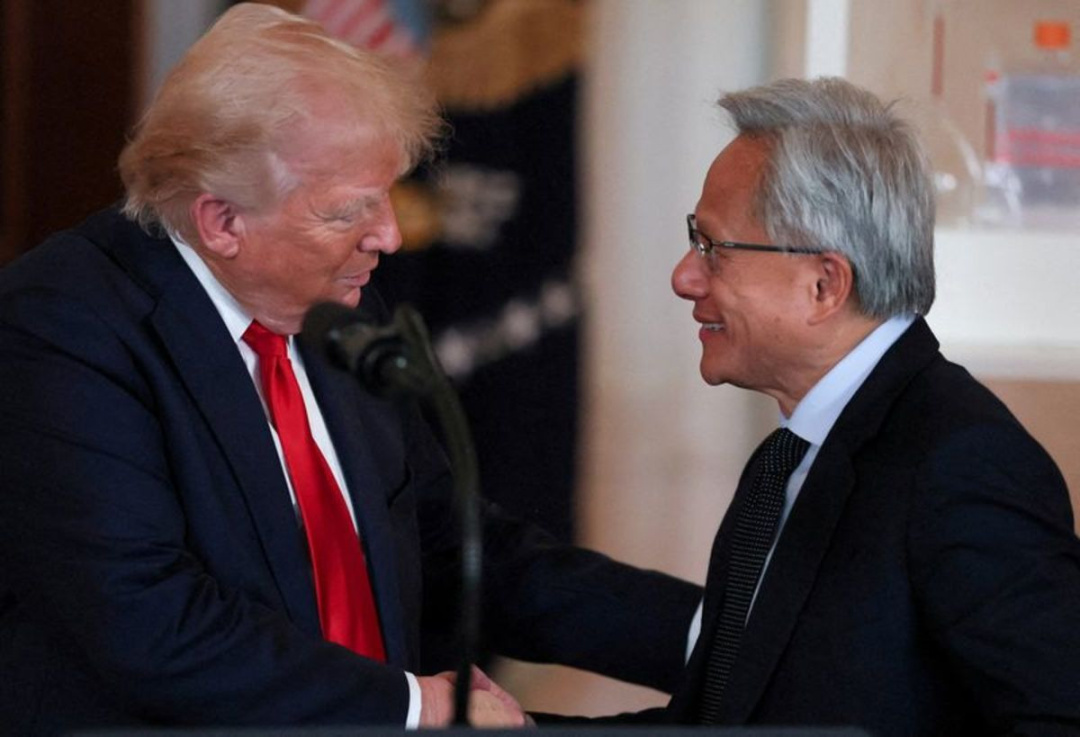
In Washington, national security matters often evoke a sense of suspicion, especially concerning China. Recently, President Donald Trump has shown remarkable trust in Jensen Huang, the CEO of Nvidia, who is reportedly entangled in a Chinese espionage investigation. Speaking at the White House, Trump characterized Huang as a "great, brilliant person" and emphasized the need to protect talented individuals like him. When questioned about Huang's alleged affair with a woman purported to be a Chinese intelligence operative, Trump recounted his direct inquiry to Huang, who claimed ignorance of her true identity. Trump expressed belief in Huang's statement and noted the personal toll the situation has taken on him and his family.
Despite the serious nature of the FBI investigation, Trump conveyed reassurance, suggesting that Huang would ultimately be fine. He expressed reluctance to lose Huang as an advisor, indicating a desire for him to continue in his role during an upcoming trip to Asia. This display of confidence comes at a politically sensitive time for Trump, who has faced criticism following the mid-term elections. Lawmakers are eager to scrutinize the administration's ties to powerful tech figures, and Huang's situation presents a complex intersection of national security, corporate influence, and Trump's financial dealings.
Critics have pointed to Trump's financial disclosures, which reveal significant investments in Nvidia. These transactions, amounting to millions of dollars, have raised eyebrows, particularly in light of concerns about potential conflicts of interest. The White House has clarified that these investments are managed by independent financial institutions, but the scrutiny remains as lawmakers prepare to investigate the implications of Huang's connections to foreign intelligence.
Revisiting Huang's Controversial Statements
As the investigation unfolds, tech analysts are revisiting Huang's past statements regarding the sale of advanced chips to China, a topic that has sparked debate about national security risks. Huang has previously dismissed comparisons between AI technology and nuclear weapons, arguing that such analogies are misguided. However, with the FBI and Congress now examining Nvidia's operations, the stakes have risen significantly, and the implications for the U.S. tech industry are profound.
Clearance Granted
The ongoing scrutiny of Huang and Nvidia highlights broader concerns about the relationship between technology and national security. Lawmakers, including Democratic Senator Chris Coons, have expressed intentions to investigate the potential risks posed by foreign intelligence operatives infiltrating American corporations. Coons emphasized that the investigation is not driven by personal animosity but by genuine concerns for national security and legal compliance.
As the situation develops, the intersection of corporate interests and national security will likely remain a focal point of discussion. The Huang affair serves as a reminder of the delicate balance between fostering innovation in the tech sector and safeguarding national interests. With the U.S. stock market heavily reliant on advancements in AI, the outcome of this investigation could have significant repercussions for both Nvidia and the broader tech landscape.