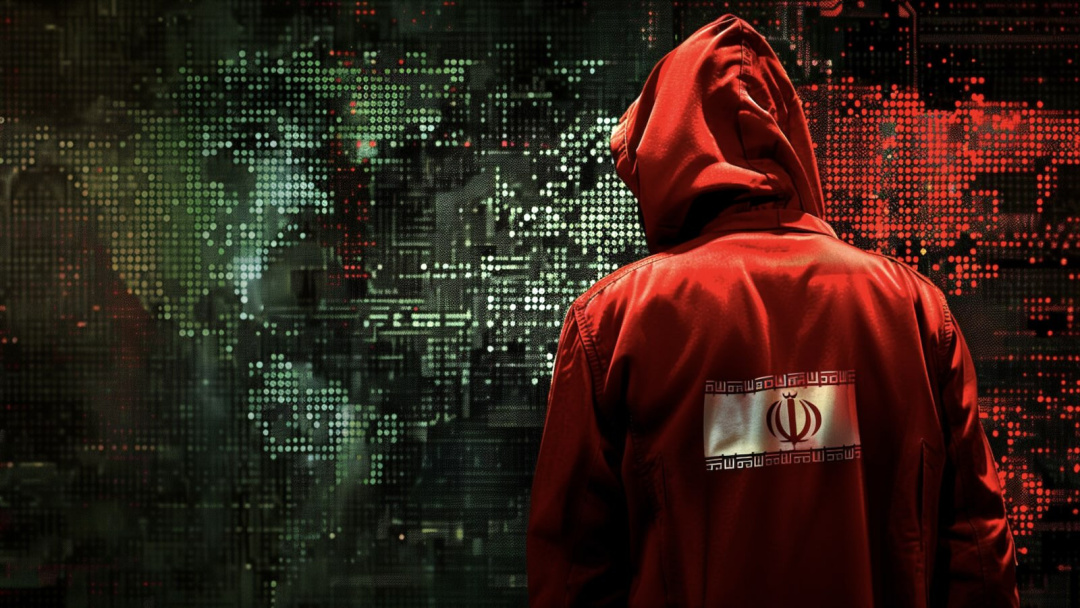
Iran Rejects French Accusations of Cyberattack on Supermarkets
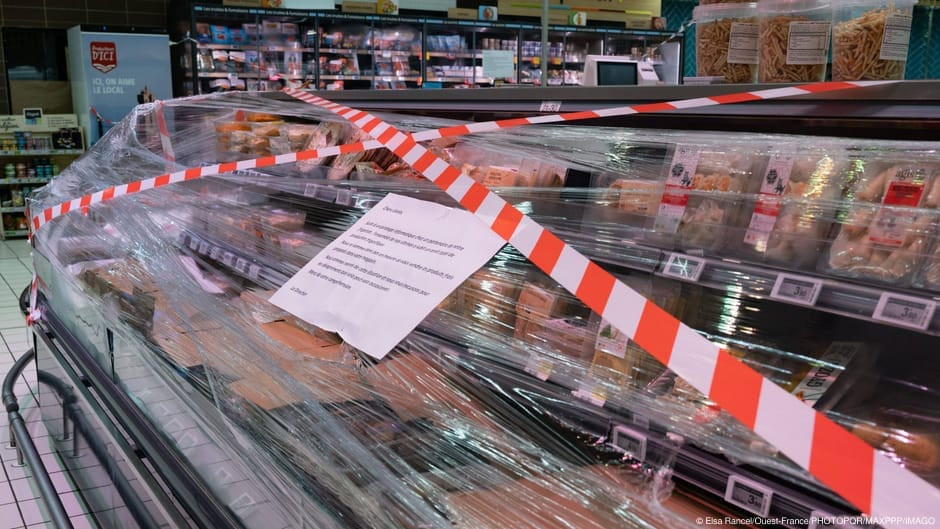
Iran has categorically rejected accusations from France that its Islamic Revolutionary Guard Corps (IRGC) was responsible for a cyberattack on hundreds of supermarkets last month. The French government summoned Tehran's ambassador to discuss the incident, which reportedly began overnight on October 11-12, causing temperatures in refrigeration units to rise, leading to spoiled produce and, in some cases, fires.
The Iranian Foreign Ministry condemned the French government's claims as baseless and one-sided, criticizing what it described as a recurring pattern of accusations against Iran. The ministry emphasized that such allegations distract from France's own governance issues.
French Foreign Minister Jean-Noel Barrot stated that the government would consider all options in response to the attack, including measures that may not be publicly disclosed. He made these remarks during a G7 foreign ministers' meeting in Paris, where discussions included the ongoing tensions with Iran.
In light of the cyberattack, France is seeking European-level sanctions against Iran. The European Union has expressed its commitment to a swift and united response, calling for all states to refrain from malicious cyber activities. EU spokesman Anouar El Anouni highlighted the importance of addressing such behavior using all available diplomatic tools, including sanctions.
The attack targeted approximately 700 supermarkets in France, utilizing web interfaces to initiate abnormal defrost cycles and disable alerts from temperature sensors. French cyber intelligence agencies have linked the attack to a cyber unit within the IRGC, known as Shahid Kaveh, which has been involved in previous campaigns targeting industrial infrastructure.
As the situation develops, Sweden's Civil Defense Minister has warned of the potential for further cyberattacks, noting that advancements in AI tools could make it easier for malicious actors to exploit vulnerabilities. The connection between recent incidents in Sweden and the earlier attack in France remains unclear, but officials are monitoring the situation closely.
Diplomatic Tensions Escalate
In response to the allegations, Iran has indicated that it would take necessary measures to protect its national interests if sanctions are imposed. The Iranian government accused France of projecting its internal failures onto external actors through these accusations.
The Paris prosecutor has initiated an investigation into the IRGC's cyber unit, requesting arrest warrants for key officials involved in the alleged attack. This investigation underscores the seriousness with which France is treating the incident and its implications for national security.
Cleared for Release
As diplomatic tensions rise, the potential for further escalation remains a concern for both nations. The situation highlights the growing risks associated with cyber warfare and the need for international cooperation to address these threats effectively. France's proactive stance in seeking sanctions and a united EU response reflects the seriousness of the cyber threats faced by member states and the importance of cybersecurity in contemporary international relations.