Nvidia's AI Chips: A Strategic Asset in US-China Tensions
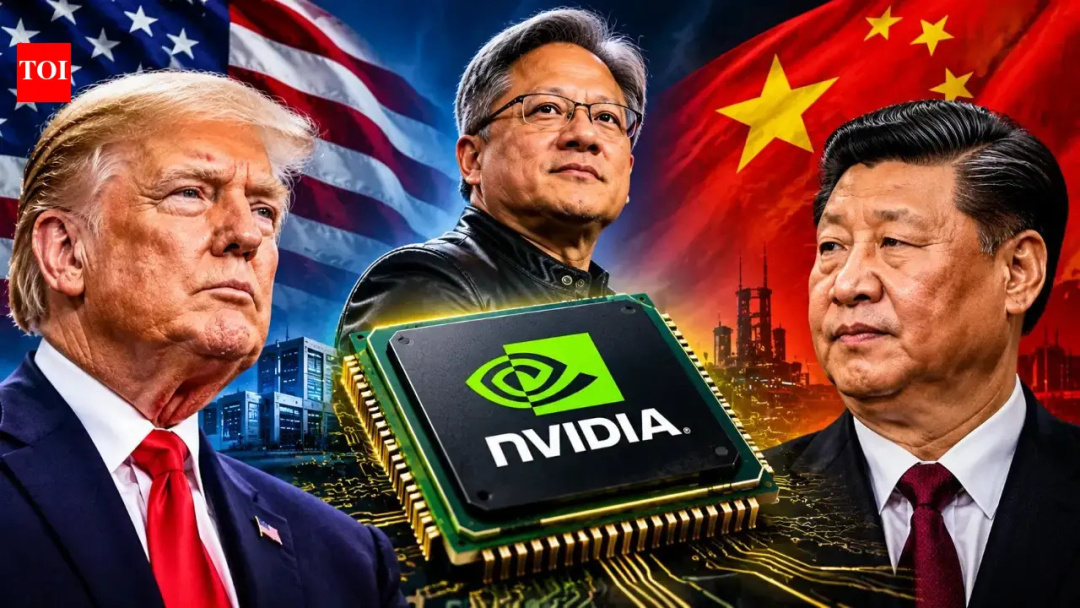
Nvidia's advanced AI chips are at the center of a growing technological conflict between the United States and China. The US is determined to keep its most powerful AI chips out of China's reach, while China represents a crucial market for Nvidia. This contradiction has fueled tensions in the ongoing technology war between Washington and Beijing. Recently, an alleged espionage scandal involving Nvidia CEO Jensen Huang has brought the issue of AI chips into sharper focus. Huang has admitted to an extramarital affair with Alice Huang, a former executive at Megaspeed, a company under investigation for potentially diverting Nvidia chips to China. US intelligence assessments have raised concerns about Alice Huang's alleged connections to Chinese intelligence, although these claims remain unproven and have been denied by Beijing.
In response to the allegations, Nvidia's board has initiated an independent investigation to determine whether its CEO was targeted by foreign intelligence. The company maintains that it has no reason to believe its secrets or US national security were compromised. However, the controversy raises larger questions about the value of Nvidia's AI chips, which are critical for modern AI systems. Unlike traditional processors, Nvidia's graphics processing units (GPUs) can perform numerous calculations simultaneously, making them ideal for training and running AI models that require significant computing power.
The strategic importance of these chips extends beyond the technology sector, impacting areas such as scientific research, industrial automation, intelligence analysis, and military applications. Consequently, governments view access to high-performance chips as essential for economic competitiveness and national security. Nvidia's dominance is further bolstered by its CUDA software platform, which has fostered a robust ecosystem around its hardware, complicating efforts by competitors to replace Nvidia products.
The US has tightened restrictions on the export of advanced semiconductors to China since October 2022, aiming to limit Beijing's access to technology that could enhance its military capabilities and AI development. Although Nvidia has previously developed less powerful chip versions for the Chinese market, the US continues to adjust regulations to prevent restricted technology from reaching Chinese customers through alternative channels. Huang has criticized these restrictions, arguing that they could inadvertently strengthen local competitors.
In January 2026, the US Commerce Department revised its licensing approach, allowing certain exports of Nvidia's H200 processors to China on a case-by-case basis, subject to specific conditions. This conditional licensing has become a point of contention, as Chinese authorities have reportedly restricted purchases to special circumstances, such as academic research. Despite these restrictions, Nvidia remains a significant player in China's data-center AI chip market, holding a substantial share compared to local competitors.
Navigating Trade Restrictions and Competition
The ongoing scrutiny of Nvidia and its CEO highlights the complexities of international trade and national security in the semiconductor industry. As the US seeks to restrict China's access to advanced chips, the potential for domestic alternatives to emerge is increasing. Chinese companies like Huawei and others are working to develop their own high-end AI chips, but they have yet to match Nvidia's capabilities. The situation remains fluid, with Nvidia's chips being utilized in Chinese labs despite the restrictions.
The challenge for US authorities lies in monitoring the ultimate use of advanced chips, as companies can access computing resources through data centers in other countries. This complicates enforcement efforts, as the physical location of a chip does not necessarily reveal who is using it. Recent criminal cases have highlighted attempts to illegally export Nvidia processors to China, underscoring the ongoing tensions surrounding this issue.
Final Brief
The investigation into Megaspeed, the Singapore-based company linked to the allegations against Huang, has drawn attention due to its reported purchases of Nvidia processors valued at approximately $4.8 billion over two years. Nvidia's interactions with US officials during the investigation have raised questions, although no evidence has been found to suggest improper interference.
As the US and China navigate this complex landscape, the implications of the Nvidia dispute extend beyond the company itself. The competition for AI leadership is reshaping the relationship between the two nations, with significant consequences for global technology markets and supply chains. The outcome of this conflict will likely influence the future of AI development and the semiconductor industry as a whole.