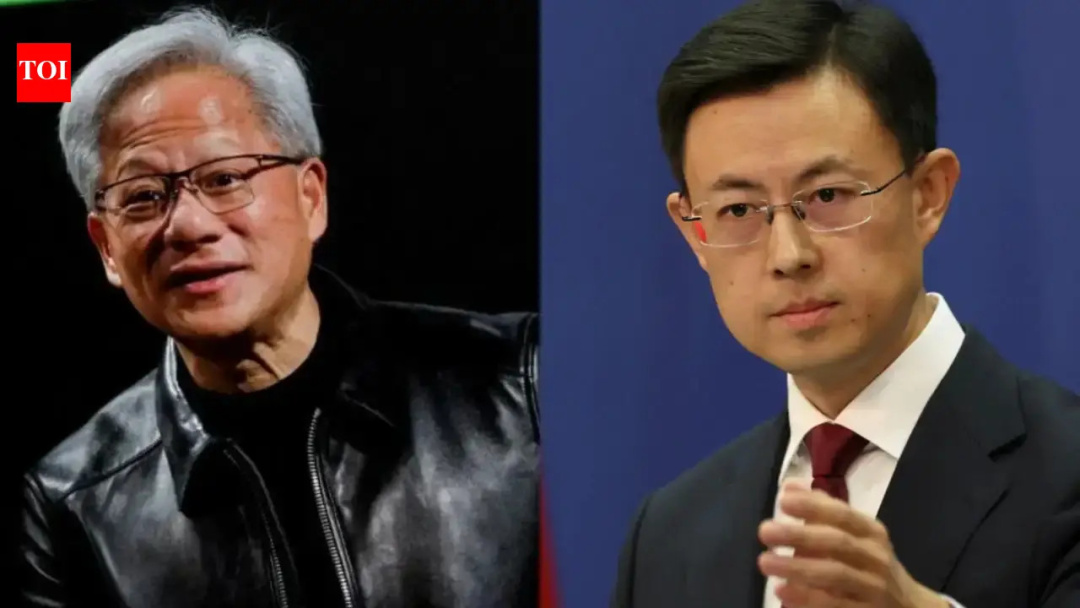
Investigation into Jensen Huang Raises Questions of Espionage and Politics

Nvidia CEO Jensen Huang has found himself at the center of a controversy involving allegations of espionage, sparked by his admission of an extramarital affair. The situation escalated following a report from The New York Times, which claimed that a woman with ties to a Singapore-based data center company was suspected of having connections to Chinese military intelligence. Reports suggest that this individual had developed a close relationship with Huang and may have facilitated the transfer of advanced AI chips that are subject to U.S. export controls.
The narrative quickly gained traction in Western media, framing the situation as a political thriller filled with intrigue and potential national security threats. However, the claims made in these reports have been largely based on anonymous sources and have not been substantiated with hard evidence. China's Foreign Ministry has publicly dismissed the allegations as unfounded, labeling them as smears against the country.
In response to the unfolding situation, Nvidia's Board of Directors announced an independent investigation into the matter, emphasizing that they have no reason to believe that national security or company secrets have been compromised. Meanwhile, political pressure is mounting in Washington, with several House committee chairmen requesting a private briefing from Huang.
Motivations Behind Allegations Against Huang
The timing of these allegations raises important questions about the motivations behind them. Critics argue that the media's portrayal of Huang, who is a U.S. citizen of Chinese descent, reflects a broader pattern of political targeting where business ties with China are scrutinized under a national security lens. This scrutiny can lead to a perception that individuals of Chinese heritage are under heightened suspicion, regardless of their actual business practices.
Final Brief
As the investigation unfolds, it highlights the growing political divisions in the U.S. regarding AI development and the role of technology companies in national security. The current administration is advocating for increased investment in AI, while some lawmakers express concerns about the implications of such advancements, particularly in relation to environmental and ethical considerations.
The outcome of this investigation could have significant implications for Huang and Nvidia, as well as for the broader tech industry. The intersection of personal conduct and national security in this case underscores the complexities faced by leaders in the technology sector, particularly in an era of heightened geopolitical tensions. As the narrative continues to develop, the balance between legitimate scrutiny and politically motivated allegations remains a critical issue.