Trump Responds to Rubio's Warning About Nvidia CEO's Alleged Spy Connection
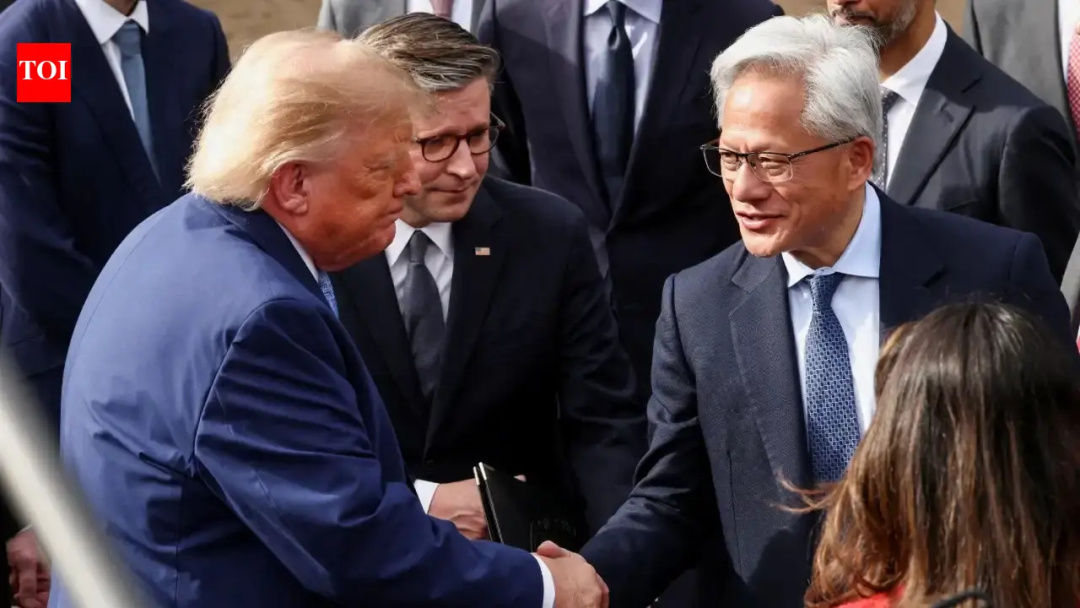
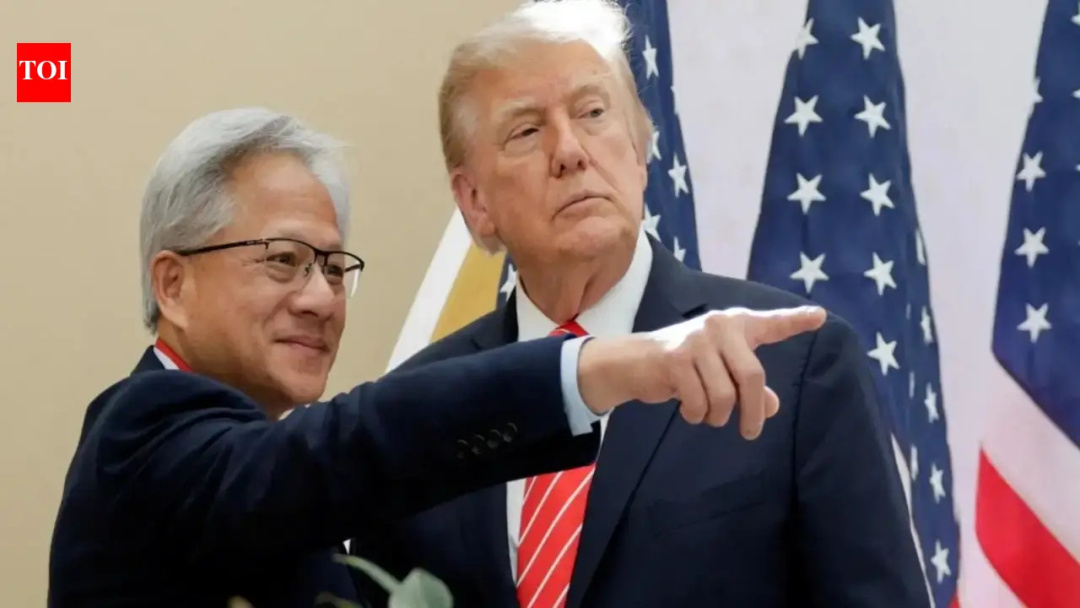
US President Donald Trump has commented on the concerns raised by Senator Marco Rubio regarding Nvidia CEO Jensen Huang's alleged relationship with a Chinese spy. Trump indicated that he does not remember reading a memo from Rubio that flagged these issues, stating that while the intelligence warning may have been mentioned to him, it did not significantly impact his views. He expressed confidence in Huang, asserting that he believes Huang was unaware of the alleged spy's identity during an FBI investigation.
The FBI is currently investigating Huang's association with Alice Huang, who is accused of being a Chinese operative. Despite these allegations, Trump has defended Huang, stating that he personally questioned him about his ties to Alice Huang and believes his claims of ignorance. Trump remarked that he expects Huang to be in a favorable position as the FBI continues its inquiry.
Rubio had previously flagged Huang's connections in a memo circulated ahead of Trump's visit to Beijing in May, raising questions about when the US administration became aware of these allegations and what actions were considered. Reports indicate that Trump had been briefed nearly a year ago about US intelligence agencies surveilling Alice Huang due to suspicions of her espionage activities for China.
Cleared for Release
The investigation has raised significant national security concerns, particularly regarding the potential transfer of sensitive technology related to Nvidia's advanced artificial intelligence processors. Nvidia has initiated its own internal inquiry into the matter, while Huang has publicly acknowledged his relationship with Alice Huang and apologized to his spouse.
As the controversy unfolds, Huang continues to lobby for relaxed export controls on Nvidia's semiconductor shipments to China, a situation complicated by the ongoing scrutiny from US authorities. The implications of this investigation extend beyond corporate governance, touching on broader national security issues as the US and China compete in the field of artificial intelligence.