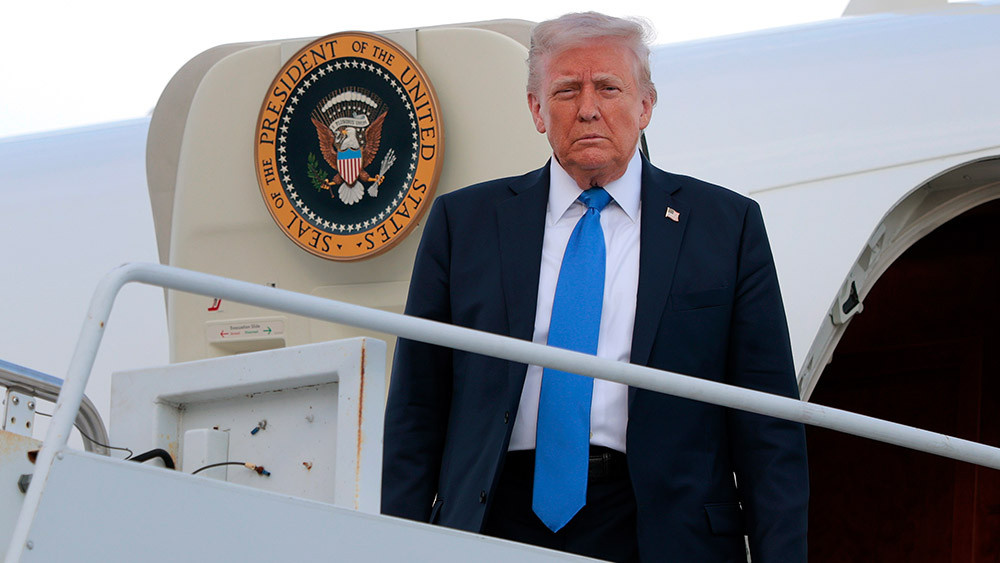
Trump Extends Nicaragua's Designation as National Security Threat

On November 3, President Trump signed an executive order renewing the designation of Nicaragua as an extraordinary threat to U.S. national security. This declaration, which has been in place since 2018, is based on claims of an unusual and extraordinary threat posed by the situation in Nicaragua. Critics argue that this characterization is unfounded, especially considering Nicaragua's relatively small population and economy compared to the United States.
Nicaragua's military budget is one of the smallest in the Americas, allocating just 0.6% of its GDP to defense, which amounts to approximately $116 million. In contrast, the U.S. defense budget exceeds $954 billion, highlighting the disparity in military capabilities. Nicaragua's military primarily focuses on domestic issues such as drug trafficking and disaster response, rather than offensive operations.
The executive order cites three main threats to U.S. security: the Nicaraguan government's response to protests that began in April 2018, the alleged dismantling of democratic institutions, and claims of government corruption. However, many observers argue that these claims do not accurately reflect the reality on the ground, where Nicaragua has made significant strides in improving public health and reducing poverty.
The U.S. has responded to Nicaragua's government actions with economic sanctions and diplomatic pressure, cutting off access to loans from international financial institutions and targeting Nicaraguan officials with sanctions. These measures have been criticized as attempts to undermine Nicaragua's sovereignty and economic stability.
Nicaragua's Economic Resilience Amid Sanctions
Despite these challenges, Nicaragua's economy has shown resilience, with significant growth reported in recent years. The country has managed to recover from the economic impacts of the attempted coup in 2018 and the COVID-19 pandemic, achieving the fastest GDP growth in the region in 2025. This economic recovery has led to an upgrade in Nicaragua's credit rating, further challenging the narrative of an extraordinary threat.
Clearance Granted
The renewal of the executive order by Trump indicates that the U.S. will continue to view Nicaragua through a lens of suspicion and hostility. The administration's approach has been characterized by a desire to isolate Nicaragua internationally, using organizations like the Organization of American States to exert pressure.
In conclusion, the executive order reflects a broader geopolitical strategy that prioritizes U.S. interests in the region, often at the expense of Nicaragua's sovereignty and development. As the situation evolves, it remains to be seen how these dynamics will play out in the coming years.