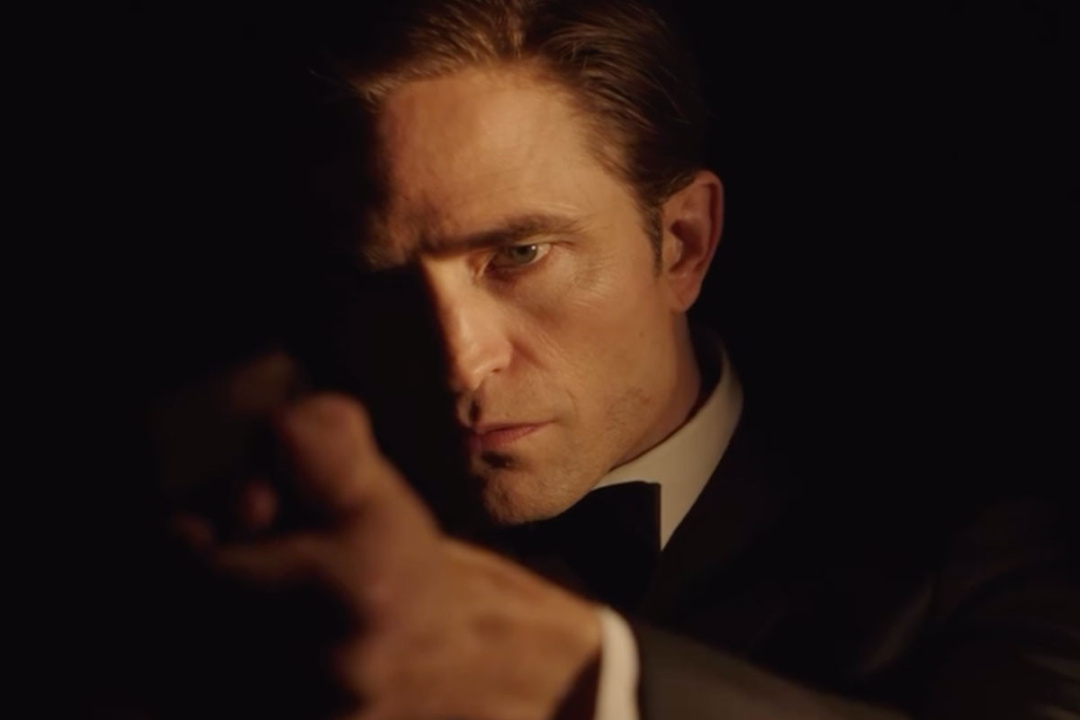
Security Guard Seeks Restraining Order Over Supervisor's Drone Surveillance
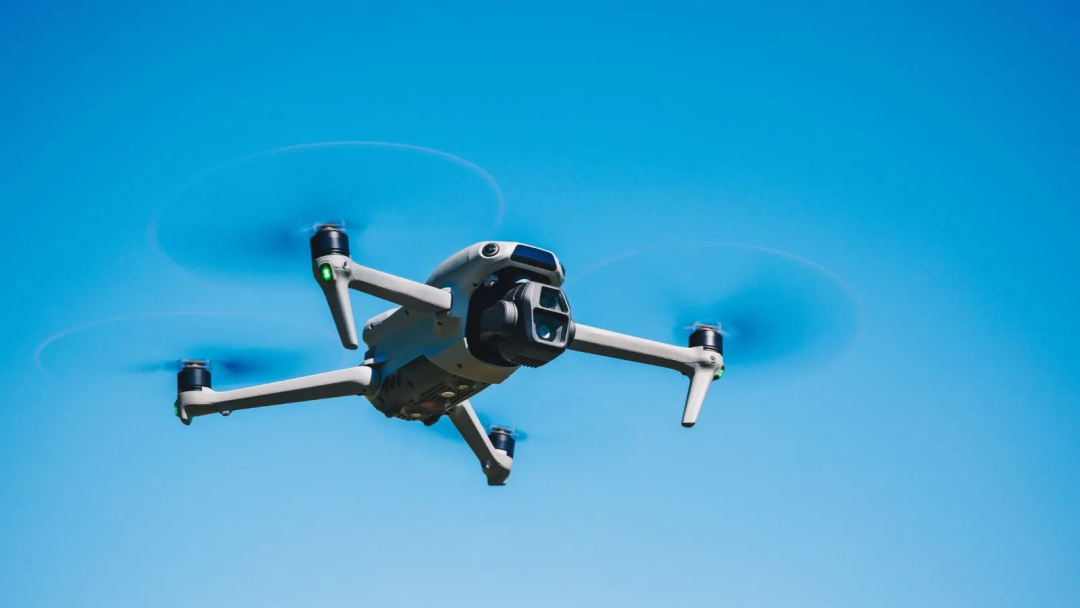
A young security guard has raised concerns after discovering that his supervisor has been using a drone to monitor him at work. The situation began approximately nine months ago when the supervisor started bringing personal drones to the workplace, initially presenting them as a novelty. However, it soon became clear that the drones were being used for surveillance purposes.
The security guard, a 19-year-old male, first noticed the drone flying during his shift and was shocked to learn from his supervisor that he was being monitored. The supervisor justified his actions by claiming he had permission to use the drone for this purpose, which the guard found unsettling. Despite expressing his discomfort, the supervisor continued to operate the drone, leading the guard to escalate the issue to HR and the police.
After reporting the situation, the guard was informed that the supervisor's actions might not be illegal due to the blurred lines of permission within the workplace. This left him feeling frustrated and vulnerable, as he believed that such surveillance was inappropriate and invasive. The police advised him to check with his employer regarding the supervisor's permissions, but the response from management was minimal, leading to further dissatisfaction.
The guard is now considering whether to pursue a restraining order against his supervisor, as he feels that the drone surveillance is not only creepy but also a violation of his privacy. This case highlights the growing concerns surrounding workplace surveillance and the ethical implications of using technology to monitor employees.
Workplace Surveillance and Its Consequences
As discussions continue among colleagues about the appropriateness of the supervisor's actions, the guard reflects on the potential consequences of such surveillance practices. He questions the implications for workplace dynamics and the boundaries of acceptable monitoring, especially in environments where trust and respect are essential.
Cleared to File
The situation raises significant ethical questions about the use of drones in workplace settings. While technology can enhance security and efficiency, it can also lead to feelings of mistrust and discomfort among employees. The guard's experience serves as a reminder of the need for clear policies regarding surveillance and privacy in the workplace.
As he navigates this challenging situation, the guard is left to ponder the balance between security measures and personal privacy rights. The outcome of his case may set a precedent for how similar issues are handled in the future, emphasizing the importance of addressing employee concerns in a timely and respectful manner.