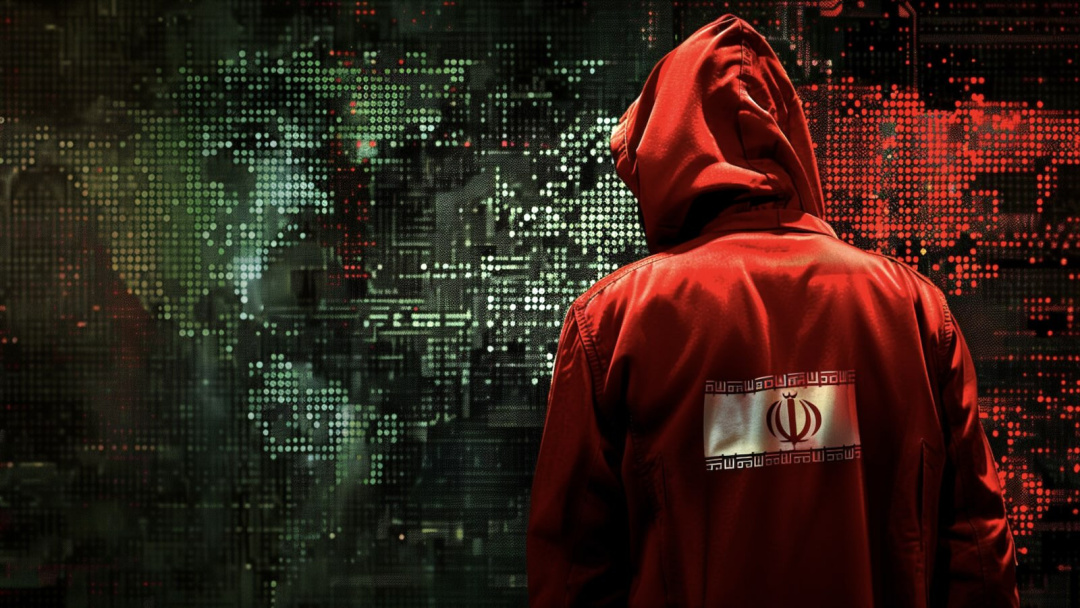
France Accuses Iran of Cyberattack on 700 Retailers
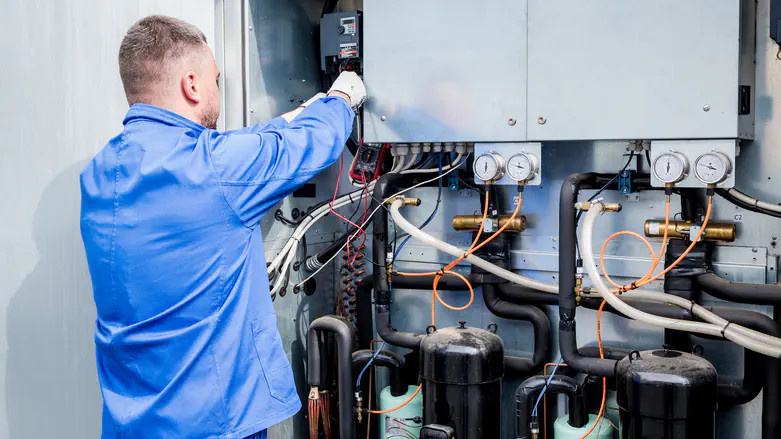
France has accused Iran of orchestrating a significant cyberattack that affected refrigeration systems at approximately 700 retailers across the country last month. This attack resulted in the destruction of large quantities of food and has led Paris to announce plans for retaliatory sanctions against Tehran. French Foreign Minister Jean-Noël Barrot condemned the October attack, describing it as an unprecedented act of cyber sabotage on French soil. He stated, "This was an attack of unprecedented scale and unprecedented aggressiveness," marking it as the first major cyberattack aimed at sabotage on French territory. Barrot emphasized that it represents a major assault on the nation's interests and the security of the French people. In response to the allegations, France summoned the Iranian ambassador and is seeking to impose sanctions at a European level. Iran has not yet responded to these accusations. Reports indicate that the attackers gained remote access to internet-connected refrigeration systems at supermarkets, manipulating temperature controls and activating defrost cycles, which caused refrigerators and freezers to exceed safe storage temperatures. This disruption led to extensive losses of fresh and frozen food, with some refrigeration units reportedly catching fire. The Paris prosecutor's office has taken charge of the investigation and formally attributed the attack to Iran, citing the use of Farsi and IP addresses linked to devices located in Iran. Prosecutors are investigating the head of Shahid Kaveh, a cyber unit associated with Iran's Islamic Revolutionary Guard Corps (IRGC), along with his deputies and other individuals potentially involved in the operation. These allegations come amid a broader wave of cyberattacks against food retailers in Europe. Earlier this month, supermarkets in Sweden, Belgium, and Ireland experienced similar attacks targeting refrigeration equipment. Authorities have yet to determine if these incidents are connected to the French operation, and no organization has claimed responsibility for them. The situation has raised alarms in Israel as well. Last week, Israel's National Cyber Directorate issued an urgent alert to supermarket chains, food manufacturers, and logistics facilities following reports of the attacks across Europe. The directorate warned that hackers had exploited security vulnerabilities in internet-connected industrial control systems to remotely alter refrigeration temperatures and activate defrost functions. The resulting overheating has damaged stored products and refrigeration equipment, with some incidents reportedly causing fires.