Nvidia Faces Legal Challenges Over CEO's Alleged Espionage Ties
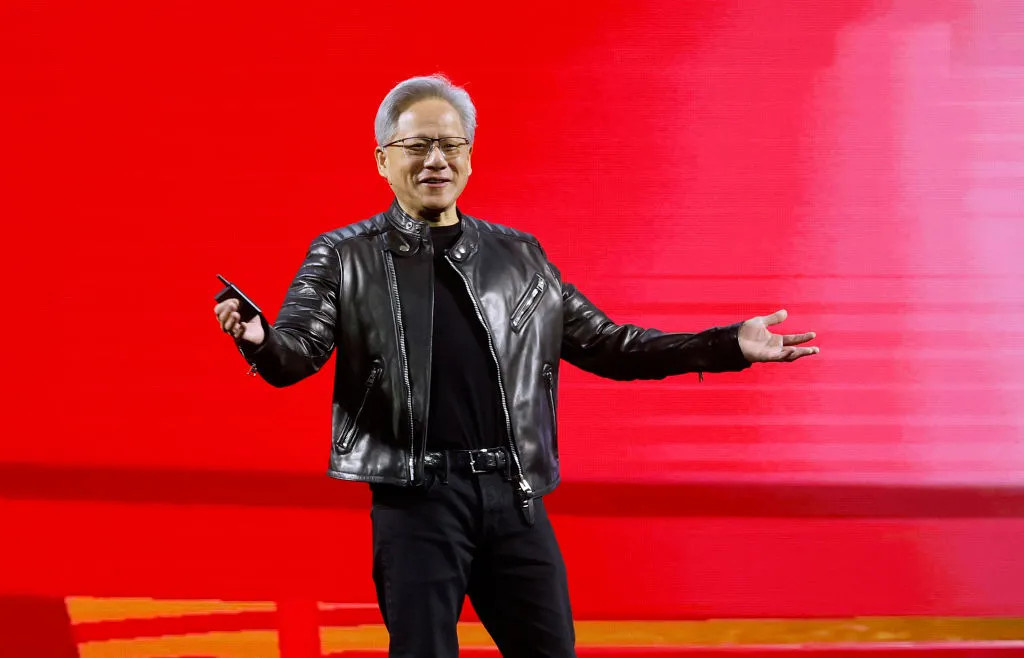
Nvidia's stock experienced a decline of more than 4% on Monday, marking the first trading day after the company's board announced an investigation into CEO Jensen Huang's relationship with Alice Huang, an executive believed by U.S. intelligence to be involved in espionage for China. This revelation has prompted several securities law firms to initiate investigations into whether Nvidia misled its investors regarding this situation.
At least four law firms, including Schall, Brown & Schwartz and Levi & Korsinsky, have already begun inquiries. Robert Bartlett, a securities law expert from Stanford, anticipates that more firms will join the fray. He expressed confidence that a lawsuit would be filed soon, noting that the first complaint triggers a public notice, allowing investors 60 days to seek lead plaintiff status. This urgency is driven by the potential for firms that file early to secure clients with significant losses and shape the narrative of the case.
Indeed, a lawsuit was filed on Monday afternoon in the Northern District of California, where Nvidia is headquartered. The Rosen Law Firm, known for its focus on securities class actions, filed the complaint on behalf of Mark Kistenmacher, a retail investor who made purchases totaling approximately $20,500 in Nvidia stock this year. The proposed class action includes anyone who bought Nvidia securities between October 9, 2025, and November 8, 2026, and names both Nvidia and Huang as defendants.
The complaint alleges that Nvidia and Huang misled investors about Huang's connections to Megaspeed, a Singapore-based data center company where Alice Huang held a significant role. It cites three specific statements as evidence of this misleading conduct: Nvidia spokesperson John Rizzo's assertion that Huang's interactions with Alice Huang were "not unusual or unexpected," the company's claim of finding "no evidence of diversion" of its chips, and Huang's comment to Bloomberg that dealings with Megaspeed were "normal and not unusual." The lawsuit contends that these statements were false or misleading, particularly given the nature of Huang's relationship with Alice Huang.
Kistenmacher is seeking unspecified damages, interest, and attorney fees, along with a jury trial. The legal theory underpinning the complaint does not rely on the findings of the board's investigation into Huang's personal life. When the New York Times initially reported on Huang's ties to Alice Huang, Rizzo had maintained that the relationship was "not unusual or unexpected," a statement that has since been called into question.
From a securities perspective, Bartlett noted that Nvidia's earlier statements could be considered misleading. Since Huang is the CEO, his knowledge is imputed to the company, meaning Nvidia is treated as having been aware of what its chief executive knew. The Kistenmacher complaint echoes this argument, suggesting a potential claim of "fraud on the market," where investors assert they paid inflated prices based on false public information and suffered losses when the truth emerged. The recent drop in Nvidia's stock price provides a substantial basis for the attorneys involved to argue for damages.
Corporate Governance and Legal Ramifications
The implications of this case could be significant, not only for Nvidia but also for its leadership. While the lawsuit is a civil matter and does not carry criminal penalties for Huang, it raises questions about corporate governance and the responsibilities of the board. If it is determined that the board was unaware of critical information regarding Huang's connections, there may be liability for the directors as well.
As the investigation unfolds, the potential for government action remains. The SEC could pursue sanctions against officers for intentional securities fraud, although Bartlett expressed skepticism about the current administration's willingness to take such action. The timeline for any potential government involvement is tight, but the situation remains fluid as more details emerge.
It is important to note that the announcements from law firms and the newly filed complaint do not necessarily indicate a strong case. Plaintiffs' firms often act quickly when they see an opportunity, and the court will ultimately decide which firm leads the case based on which investor has incurred the largest loss. Kistenmacher has expressed his willingness to serve as lead plaintiff, but the final decision will rest with the court.
As the legal landscape continues to develop, Nvidia's exposure to potential claims is categorized into several buckets. The most immediate concern is the securities fraud claim, which poses a significant risk for both the company and Huang. Additionally, governance issues arise regarding what the board knew and when they were informed. If it is found that the board was kept in the dark, there could be repercussions for the directors.
Final Assessment
The situation is further complicated by the possibility that the board's investigation may uncover evidence of Huang's knowledge of the intelligence connection, which would dramatically alter the stakes. The board has publicly stated that it has no reason to believe that national security or Nvidia's secrets were compromised, but the ongoing scrutiny will likely continue to affect investor confidence and market sentiment.
In summary, Nvidia is facing significant legal challenges stemming from allegations of CEO Jensen Huang's ties to a suspected Chinese spy. The implications of the ongoing investigation and the lawsuits filed could have far-reaching consequences for the company and its leadership. As the situation evolves, stakeholders will be closely monitoring the developments to gauge the potential impact on Nvidia's future and its standing in the market.