Hakeem Jeffries Seeks Classified Nvidia Briefing Amid China Chip Concerns

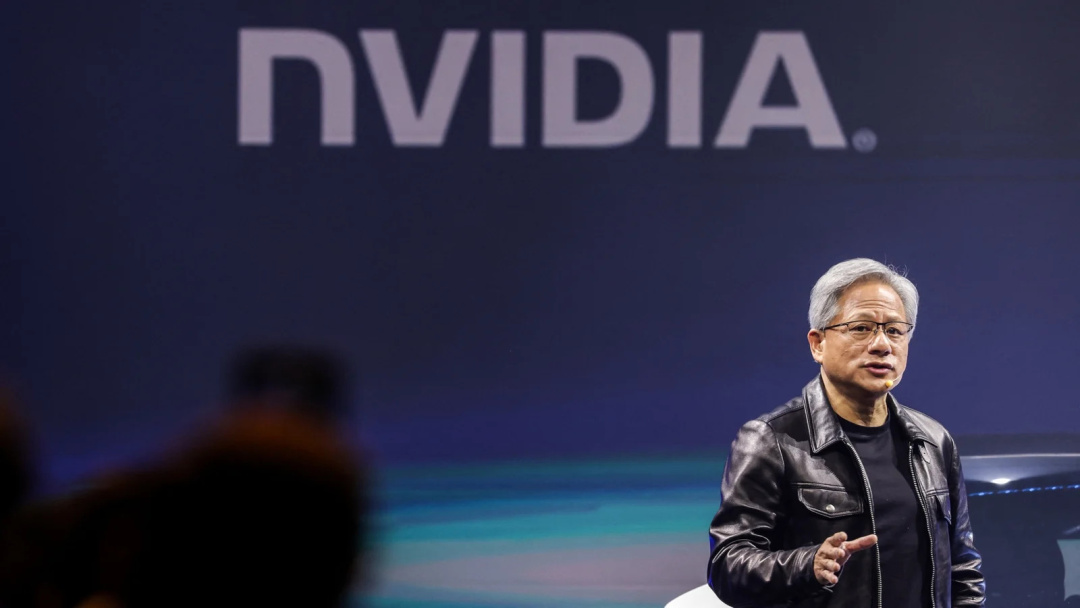
House Democratic Leader Hakeem Jeffries is pushing for a comprehensive, classified briefing regarding Nvidia, particularly in light of reports suggesting that CEO Jensen Huang was a target of foreign intelligence efforts. On November 9, 2026, Jeffries emphasized the need for Congress to be fully informed about the Nvidia situation, which has garnered significant attention from intelligence officials, including CIA Director John Ratcliffe. The limited discussion of Nvidia during a recent intelligence briefing has prompted Jeffries to seek more detailed information.
In addition to the briefing request, Jeffries is advocating for the House to pass the annual defense bill with specific restrictions on U.S. chip sales to China. These restrictions are currently included in a version of the legislation pending in the Senate, and Jeffries is urging the House to adopt this language rather than omit it. The proposed measures aim to enhance congressional oversight of chip exports and combat the smuggling of advanced semiconductors.
Nvidia's board initiated an independent investigation around November 8, 2026, focusing on Huang's connections to an individual assessed as a Chinese intelligence asset. While Nvidia has stated that it has not found evidence of compromised company secrets, the ongoing investigation and the classified nature of the intelligence community's assessment have led Jeffries to demand a seat at the briefing table.
Concerns regarding advanced semiconductor exports to China are longstanding and have placed Nvidia at the center of this debate. The company's AI accelerators are critical components for training and running large AI models, making control over these technologies a significant factor in global competitiveness.
Personal Stakes in Semiconductor Trade Debate
The recent developments add a personal dimension to what has primarily been a trade and technology issue, intertwining concerns about chip flows with questions surrounding Huang's leadership. For investors, the situation could lead to increased volatility in semiconductor and tech stocks, particularly if Congress enacts stricter limits on chip sales to China.
Clearance Granted
The defense bill is a strategic vehicle for such restrictions, as it often includes policy riders that might struggle to pass independently. If the House adopts the Senate's language regarding chip sales, other semiconductor firms may need to reevaluate their international operations and partnerships, especially those with significant exposure to Chinese markets.
The political landscape surrounding this issue is notable, as Jeffries, a Democrat, is supporting restrictions in a Senate bill while requesting a briefing that involves a CIA director from the current administration. The next steps will be closely monitored, including whether the classified briefing is scheduled, the outcomes of the board's investigation, and the fate of the Senate's chip restrictions in the final defense bill.