Nvidia CEO Jensen Huang Under FBI Scrutiny Over Affair with Chinese Spy
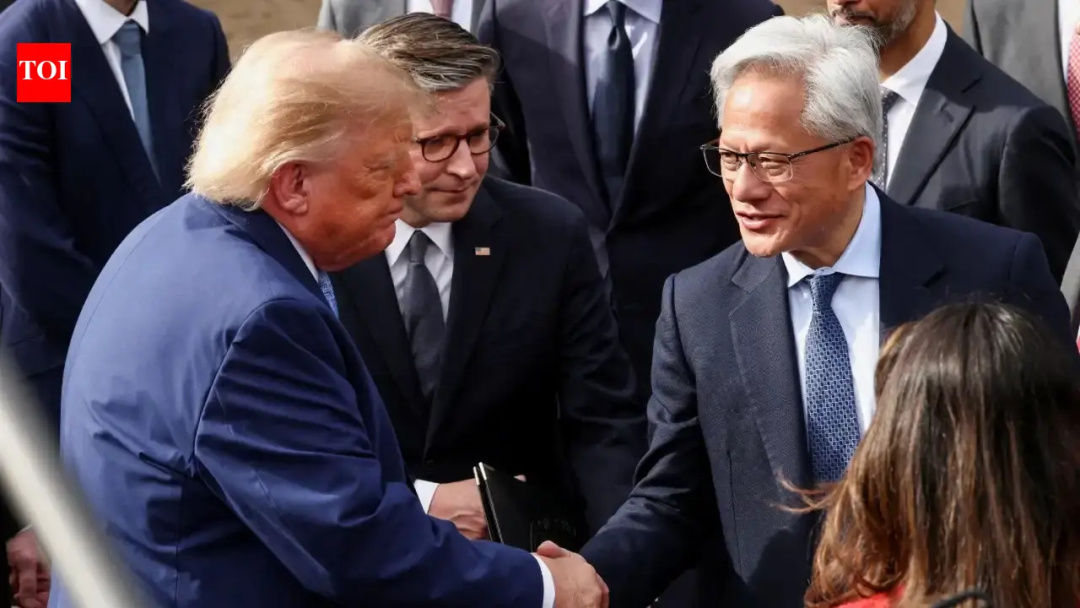
Nvidia CEO Jensen Huang is facing scrutiny from the FBI following his admission of an extramarital affair with a woman believed to be a Chinese spy. President Donald Trump confirmed on November 9 that the FBI is looking into the situation, expressing confidence in Huang's innocence. Trump stated that he had spoken to Huang, who claimed he had no knowledge of the woman's alleged espionage activities.
The affair has led to a decline in Nvidia's stock as investors await the outcome of the investigation and its potential ramifications for the company's leadership. The woman in question, Alice Huang, also known as Huang Le, previously worked for a Singapore-based data center firm that has purchased Nvidia chips. U.S. intelligence agencies have raised concerns that she may have shared sensitive information with Beijing.
The investigation comes amid a broader trend of Chinese companies establishing operations in Singapore to mitigate the effects of U.S.-China tensions. This practice, referred to as "Singapore washing," aims to preserve access to global markets and technology while reducing exposure to geopolitical risks.
Experts are questioning whether any sensitive information or intellectual property was compromised during Huang's relationship with Alice Huang. Ken Mahoney, CEO of Mahoney Asset Management, noted that the board of Nvidia has no evidence suggesting that national security or company secrets were jeopardized. Huang has expressed his willingness to cooperate with the investigation, and Nvidia's board has publicly supported him.
Nvidia's Response to Export Controls and Scrutiny
The White House has implemented strict export controls on Nvidia's advanced AI chips to China, compelling the company to create China-specific products to comply with U.S. regulations. As a result, Chinese AI firms have increasingly turned to domestic alternatives, including chips developed by local companies like Huawei.
Lawmakers have requested a closed-door briefing with Huang to discuss Nvidia's security protocols and his interactions with the former Megaspeed executive. Several senators have expressed concerns about the implications of Huang's relationship with an alleged Chinese intelligence asset on U.S. national security and technology policy. They believe that multiple Senate committees will want to investigate the matter further.
Clearance Granted
Despite the ongoing investigation, analysts do not foresee a long-term negative impact on Nvidia's stock. However, the primary concern remains whether Huang will be forced to step down after leading the company for 33 years. His technical vision and industry relationships are viewed as significant advantages for Nvidia's competitive position in the market.
The situation highlights the risks associated with foreign intelligence operations, particularly those that involve personal relationships as a means of gathering information. The FBI's investigation into Huang serves as a reminder of the ongoing challenges posed by espionage and foreign influence in the tech industry.