Iran Oil Exports Continue Amid US Sanctions Waiver Revocation
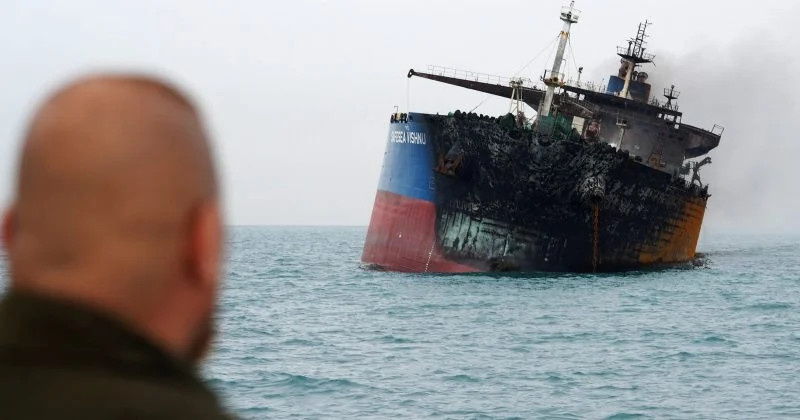
The revocation of a 60-day oil waiver by the US has triggered a notable 5% spike in crude oil prices, underscoring Iran's resilience in maintaining its oil exports despite sanctions. On June 22, the US Treasury's Office of Foreign Assets Control issued General License X, allowing the production and sale of Iranian crude oil and related products until August 21. However, on July 7, the US rescinded this waiver, citing Iranian attacks on vessels in the Strait of Hormuz, and advanced the cutoff date to July 17.
Iran has developed a sophisticated network to circumvent sanctions, employing tactics such as ship-to-ship transfers, falsified documentation, and utilizing a so-called "shadow fleet" to ensure crude oil reaches buyers, with China being the primary customer. These operations generate billions of dollars annually for Iran's economy.
In a related move, the US sanctioned Nobitex, Iran's largest digital asset exchange, on June 2, accusing it of supporting the Islamic Revolutionary Guard Corps and facilitating sanctions evasion. As traditional banking channels become increasingly hostile to Iranian transactions, digital assets have emerged as a viable alternative for transferring value across borders without engaging with the SWIFT system. The sanctioning of Nobitex highlights the US regulators' scrutiny of the interplay between digital assets and sanctions evasion.
The immediate market reaction indicates a return of oil price volatility driven by geopolitical factors, with a significant 5% increase following the policy reversal. For cryptocurrency investors, the sanctions against Nobitex serve as a warning of potential future actions against digital asset platforms that facilitate transactions for sanctioned entities. This situation creates compliance risks for exchanges lacking robust screening mechanisms and opens up opportunities for blockchain analytics firms and compliance-focused infrastructure providers.